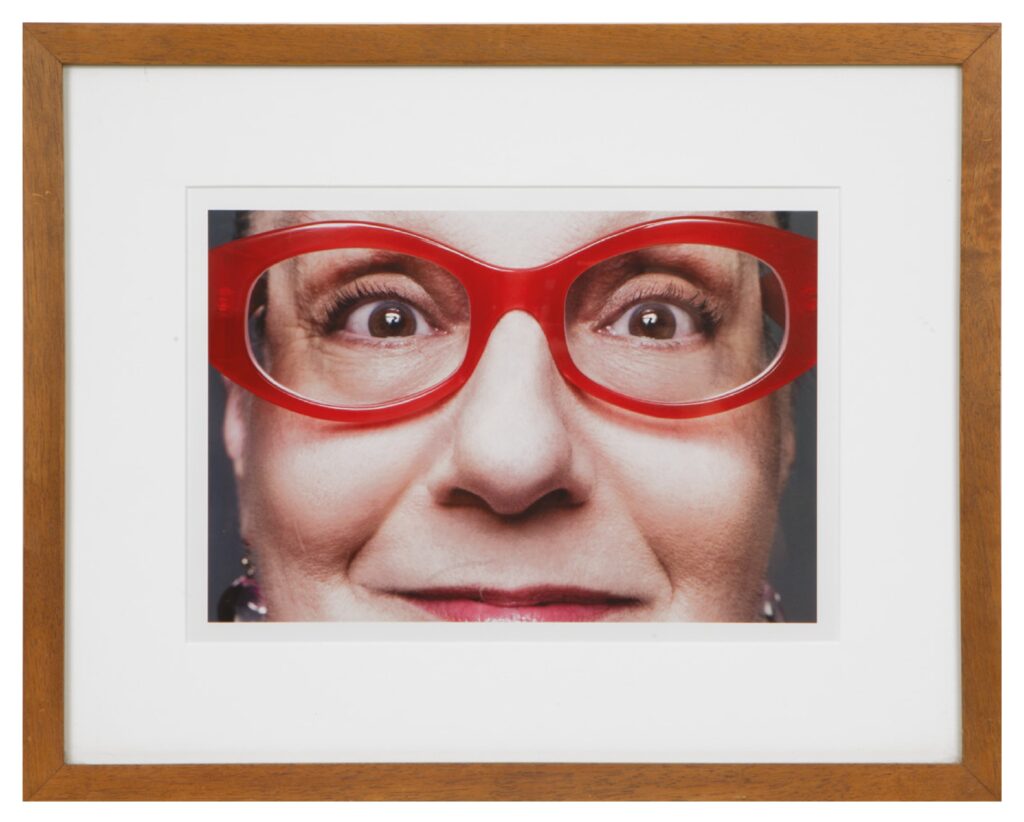

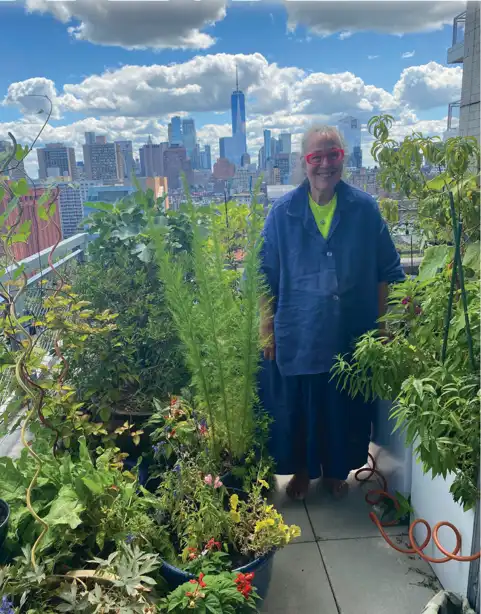


Kim Hastreiter (BFA 1974) has spent a lifetime defying categories. As an artist, publisher, journalist, cultural tastemaker, fundraiser, gardener, chef, collector, and curator, the New York icon has helped shape contemporary culture for more than five decades.
Through it all, Hastreiter has remained true to the artistic mindset she developed at NSCAD University.
“I’ve never been able to be pinned down to a category,” she says. “Am I a journalist? No. Am I a publisher? Not really. I’m a collector. I collect things I love. I collect people who inspire me. In that way, I’m an artist and a curator.”
EARLY INFLUENCES
Hastreiter credits much of her appreciation for design, culture and curiosity to her mother, Gloria.
A champion of mid-century modern aesthetics influenced by Scandinavian and minimalist design, Gloria surrounded her family with thoughtfully-crafted furniture, fashion and household objects. More importantly, she encouraged her daughter to stay curious, stay informed and embrace new experiences.
“She was always reading The New Yorker and paying attention to what was happening in the world, especially the arts,” Hastreiter recalls.
Gloria’s encouragement ultimately gave Hastreiter the confidence to leave home and travel to Halifax in the early 1970s to attend NSCAD.
FINDING HER CREATIVE HOME AT NSCAD
Before arriving in Halifax, Hastreiter studied art at Washington University in St. Louis during a period marked by political unrest and widespread protests against the Vietnam War.
“It was a very turbulent time,” she says. “I was interested in transferring to another university, and coming to Canada seemed like a good option.”
NSCAD stood out as one of the best institutions to study fine arts.
“NSCAD was off the beaten track, and there were a bunch of artists running it, like Garry Kennedy, Gerry Ferguson and others. They were bringing together some of the most experimental artists of the time,” she says. “The school was avant-garde. It had no classes. If you were into conceptual art, NSCAD was the place to be.”
Determined to make the move, Hastreiter spent a summer doing construction with architect Paolo Soleris Arcosanti, working on his city of the future. She earned enough money to buy a truck she nicknamed the Dragon Wagon and drove alone from St. Louis to Halifax.
“I had never been there in my life,” she says with a laugh.
The unconventional environment proved transformative. Rather than traditional classes, students participated in workshops led by internationally recognized artists and filmmakers, including Vito Acconci, Richard Serra, Charlemagne Palestine, Simone Forti, Kaspar König, and David Askevold.
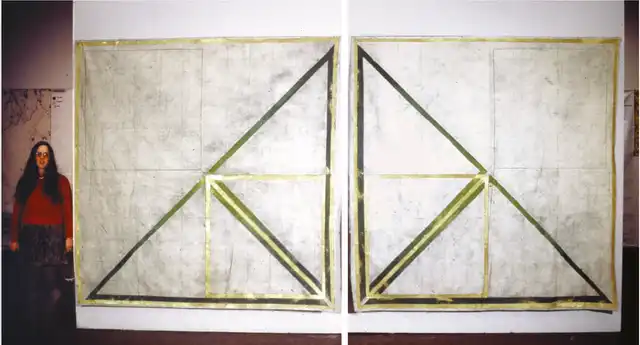
“At the time, I was making large paintings on unstretched canvas using metal dust and creating experimental video work. NSCAD taught me to be an out-of-the-box artist,” she remembers.
FROM HALIFAX TO CalArts
Following graduation, Hastreiter received a scholarship to pursue a Master of Fine Arts degree at the California Institute of the Arts (CalArts), one of the leading centres for experimental art practice in North America.
There, she studied under renowned conceptual artist John Baldessari, who many people will know famously had a connection with NSCAD; directing the iconic punishment piece, I Will Not Make Any More Boring Art, in 1971.
“At that time there was a pipeline between NSCAD and CalArts,” she says. “I got a scholarship, drove out to California and studied with John Baldessari. He used humour in his work and encouraged people to think differently.”
Like many of the artists who influenced her at NSCAD, Baldessari challenged conventional ideas about art-making, and reinforced Hastreiter’s belief that creativity could take many forms.
NEW YORK AND A NEW DIRECTION
After completing her MFA in 1976, Hastreiter moved to New York City with her friend Joey Arias.
At the time, success for young artists typically meant securing gallery representation. But Hastreiter quickly noticed that opportunities often flowed disproportionately to men.
“I was frustrated,” she says. “So, I decided to take another route.”
Living downtown in the late 1970s, Hastreiter immersed herself in New York’s vibrant cultural scene while working in fashion retail. A chance encounter with legendary fashion photographer Bill Cunningham proved pivotal.
Cunningham helped her land a position as Style Editor at SoHo Weekly News.
During those years, Hastreiter became part of a creative community centred around the influential Mudd Club in TriBeCa. The venue brought together artists, musicians, filmmakers and performers at the forefront of contemporary culture. She got to know diverse artists from Debbie Harry to Fab 5 Freddy, Debi Mazar to Betsey Johnson and Keith Haring.
“Everyone was collaborating,” she says. “I went through a tremendous amount of creative growth during that period.”
Although she enjoyed journalism, the industry’s increasing corporatization left her wanting something different.
CREATING PAPER
In 1984, Hastreiter and journalist David Hershkovits launched PAPER magazine along with two art directors (Richard Weigand and Lucy Sisman, who left six months later) from her New York loft.
Each contributed $1,000 to get the publication off the ground.
Originally produced as a broadsheet, PAPER set itself apart with a simple philosophy: culture should be documented by the people creating it.
“The idea was to have stories written by artists,” Hastreiter says. “There were no journalists. Whoever came up with the idea had to write about it. We looked for artists because they were the ones living it.”
The publication developed a reputation for spotlighting emerging talent before the rest of the media caught on. Over the years, PAPER featured future stars including Leonardo DiCaprio, RuPaul, Björk and Kim Kardashian.
“We were ahead of the industry,” Hastreiter says. “Eight months after they were on the cover, they would become famous. PAPER became known for making people famous.”
While advertisers often struggled to categorize the publication, Hastreiter remained committed to its mission.
“We just kept creating culture.”
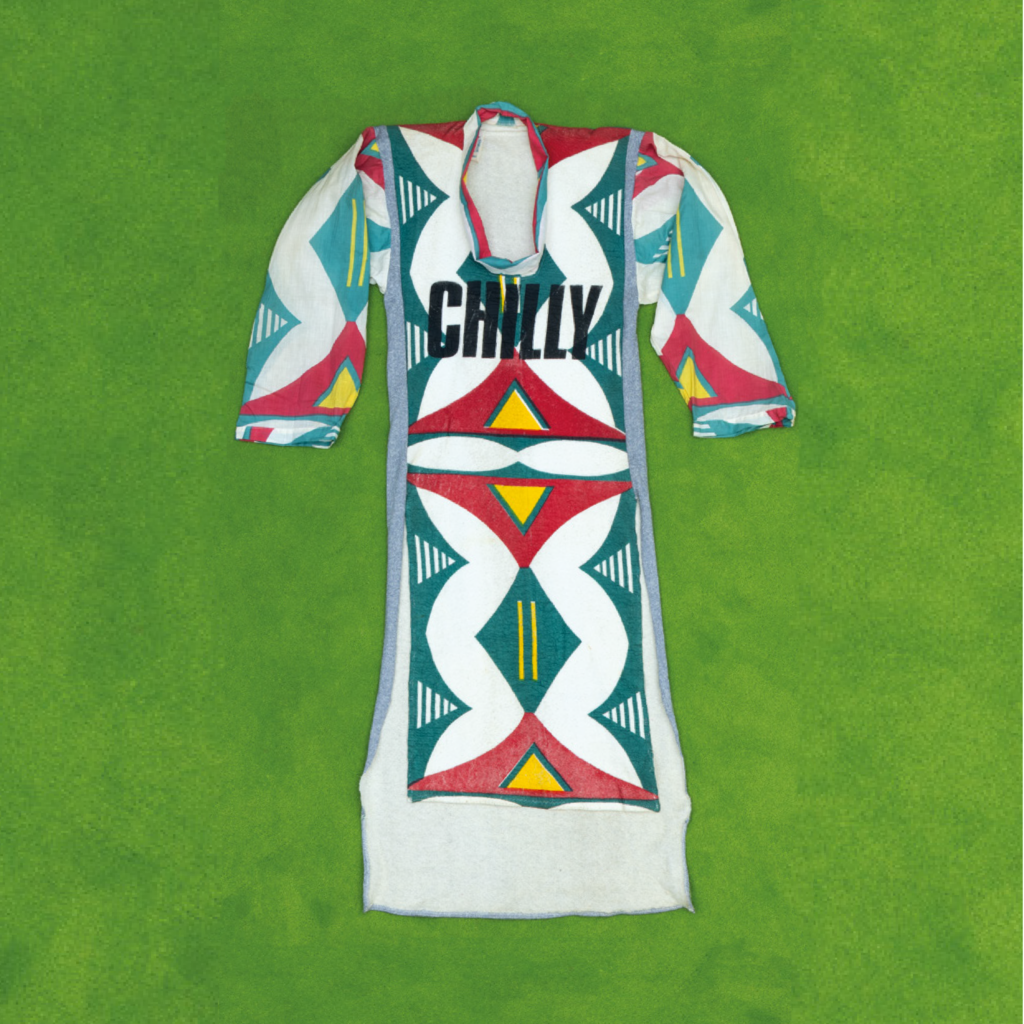
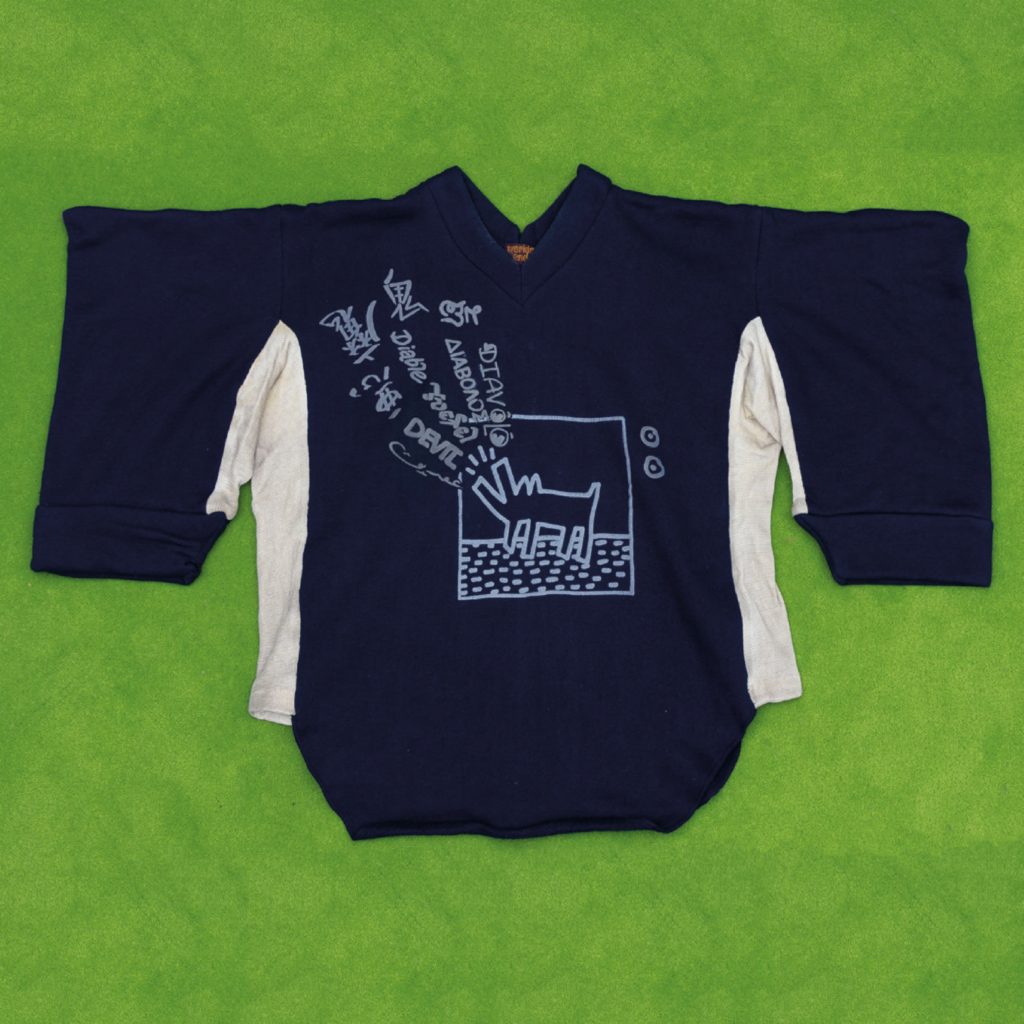
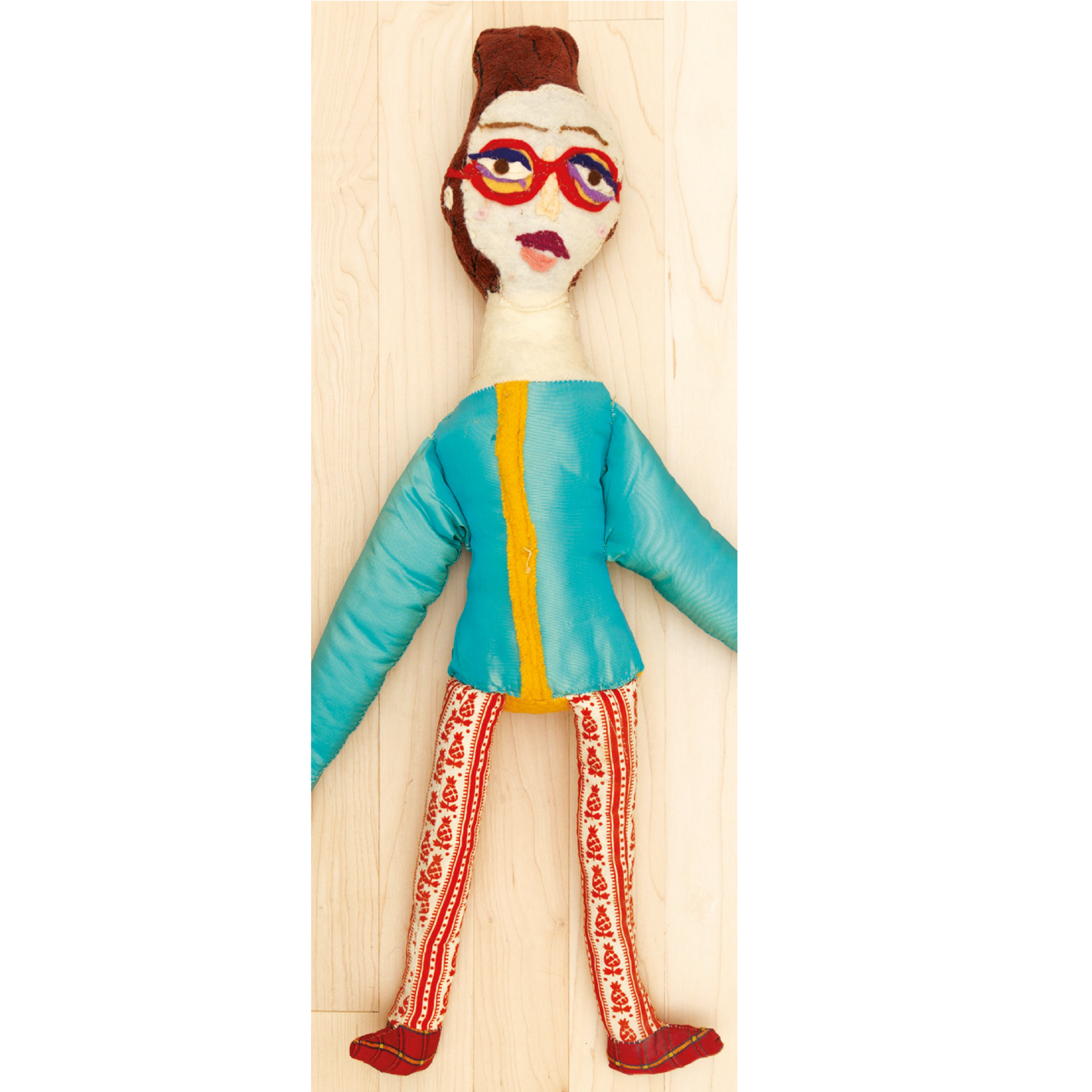
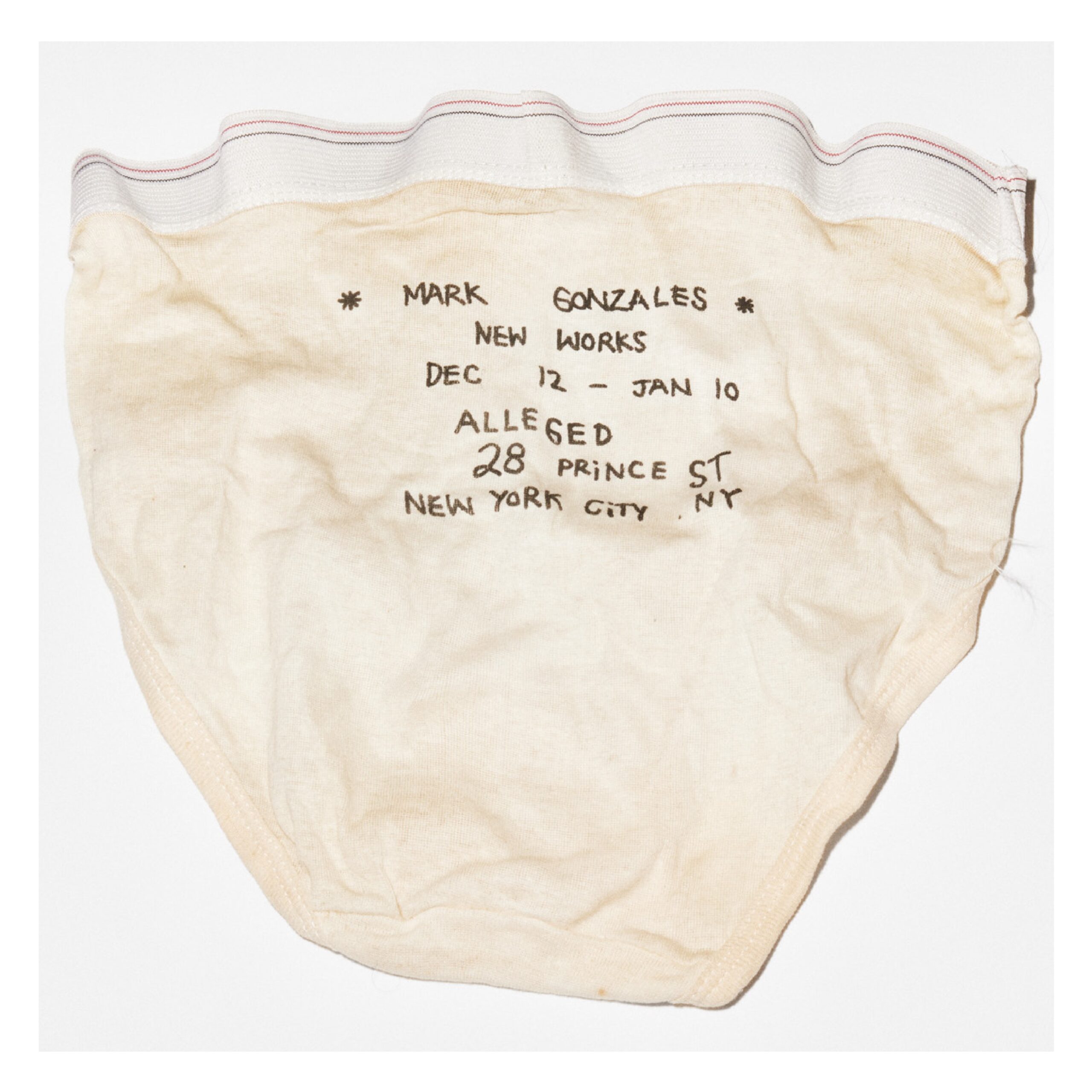
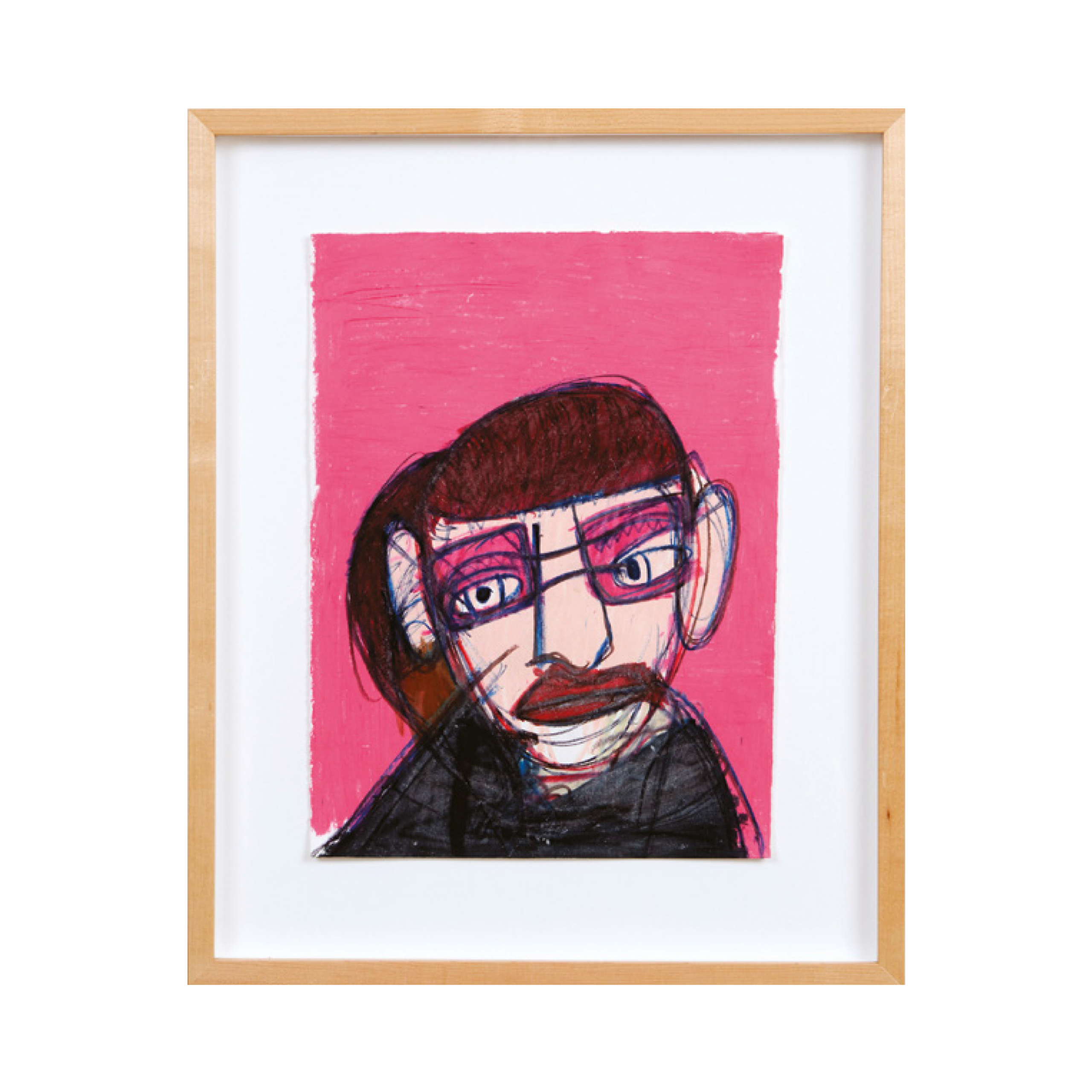
Kim Hastreiter’s lifelong fascination with objects, ideas and creative communities is the subject of her recent book, “STUFF: A New York Life of Cultural Chaos.”
A LIFE COLLECTED
Hastreiter’s lifelong fascination with objects, ideas and creative communities is the subject of her recent book, STUFF: A New York Life of Cultural Chaos. It was co-published in 2025 by her own independent imprint, Amazing Unlimited, alongside the independent art book publisher, Damiani Books.
Spanning 50 years and more than 450 pages, the book brings together stories, photographs and artifacts collected over decades in New York.
“This volume, aptly titled STUFF, chronicles an extraordinary slice of history and the people who defined it, using Hastreiter’s singular edit of art, fashion, design, photography, books and ephemera as a lens.”
Hastreiter is described as a ‘cultural anthropologist’ who excavates ideas from every corner of culture and brings them to life.
For Hastreiter, the book is both personal archive and cultural history, offering a unique lens on the people, places and moments that shaped New York over the past half-century.
STILL MAKING IT UP
Today, Hastreiter continues to channel her creative energy into new projects. She tends a thriving balcony garden, hosts sought-after soup parties and organizes fundraising events for the Creative Growth Art Center in Oakland, California, which supports artists with developmental disabilities.
She has recently been invited to do a residency as ‘disruptor in chief’ at FIT (Fashion Institute of Technology) that she will call ‘UN-Fashion’. It will be an inside-out program about culture, and the roots of where style and fashion really come from.
“The program will look at who are the outsiders and disruptors at this moment in time, and explore why so much fashion seems wrong these days,” Hastreiter explains.
“The program will look at who are the outsiders and disruptors at this moment in time, and explore why so much fashion seems wrong these days,” Hastreiter explains.
She is also working on a new book, tentatively titled, WORK, that explores her unconventional career and her evolving understanding of what it means to be an artist.
Looking back, Kim Hastreiter sees a clear connection between the experimental spirit she encountered at NSCAD and the path she ultimately forged.
During a convocation address at Parsons School of Design, she offered graduates advice that continues to guide her own life: “Don’t listen to your teachers. Find your gift. And if you can’t find something that’s right for you, make it up.”
More than 50 years after arriving in Halifax in her Dragon Wagon, that philosophy continues to define Kim Hastreiter’s remarkable career.
“I still make it up to this day.”