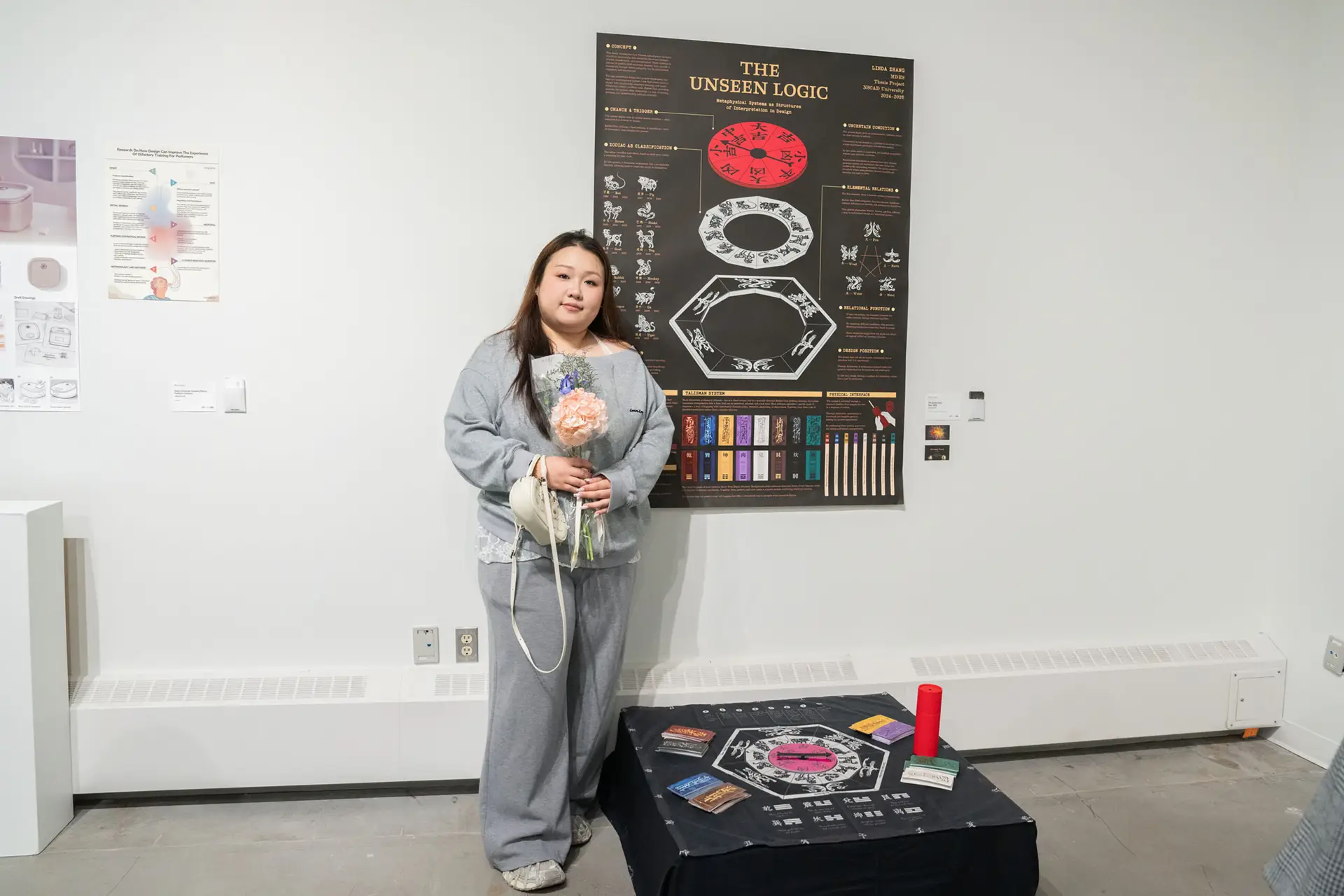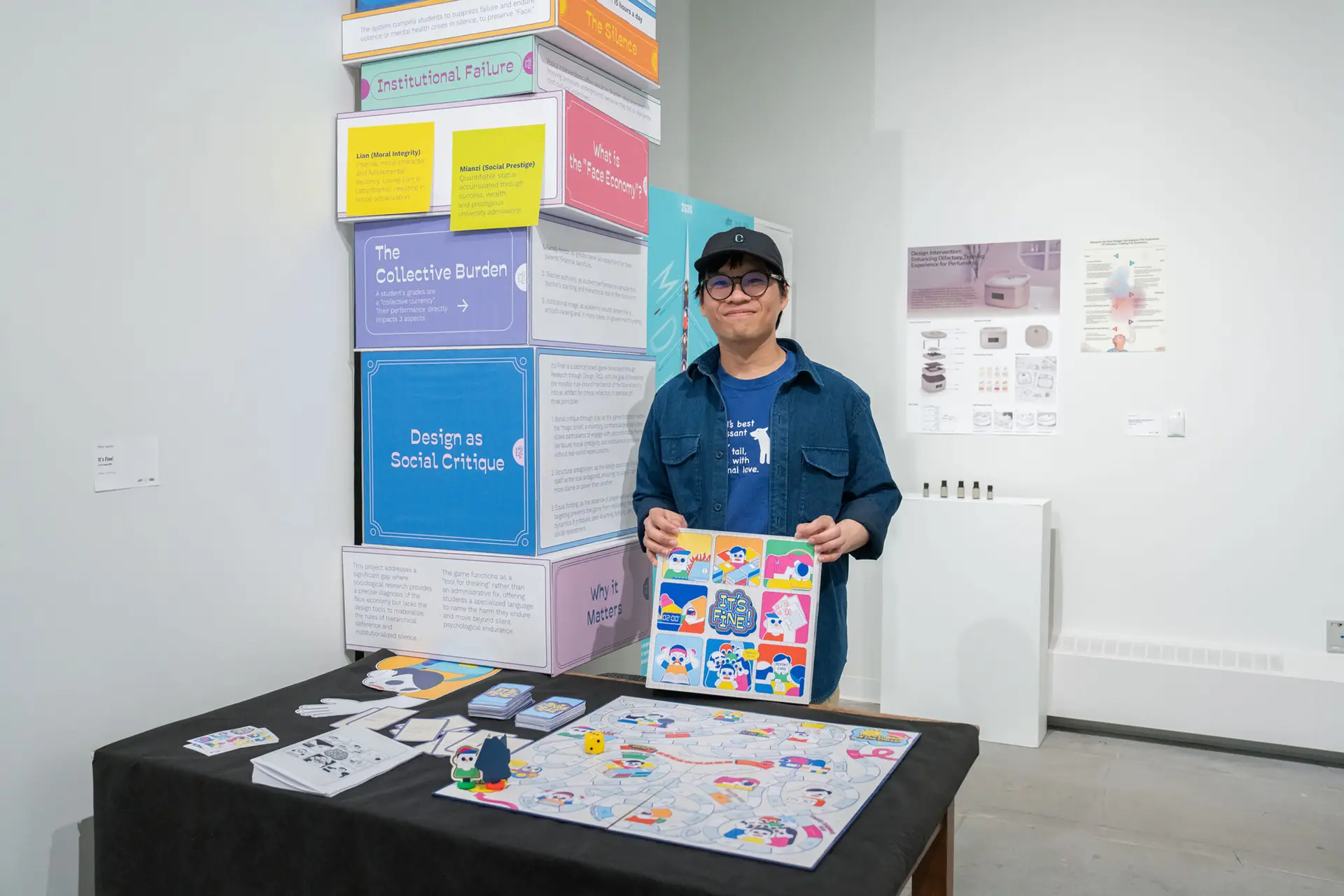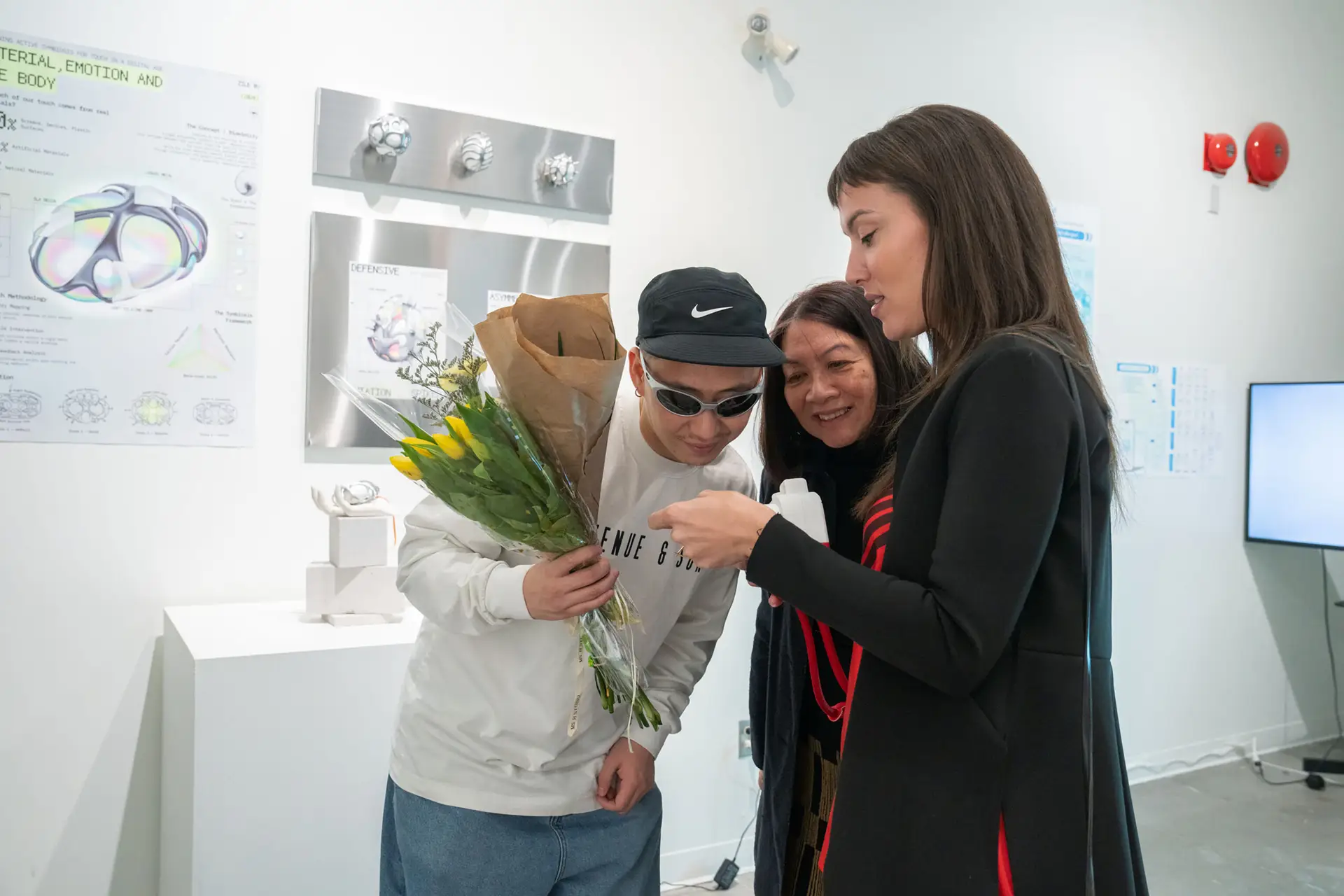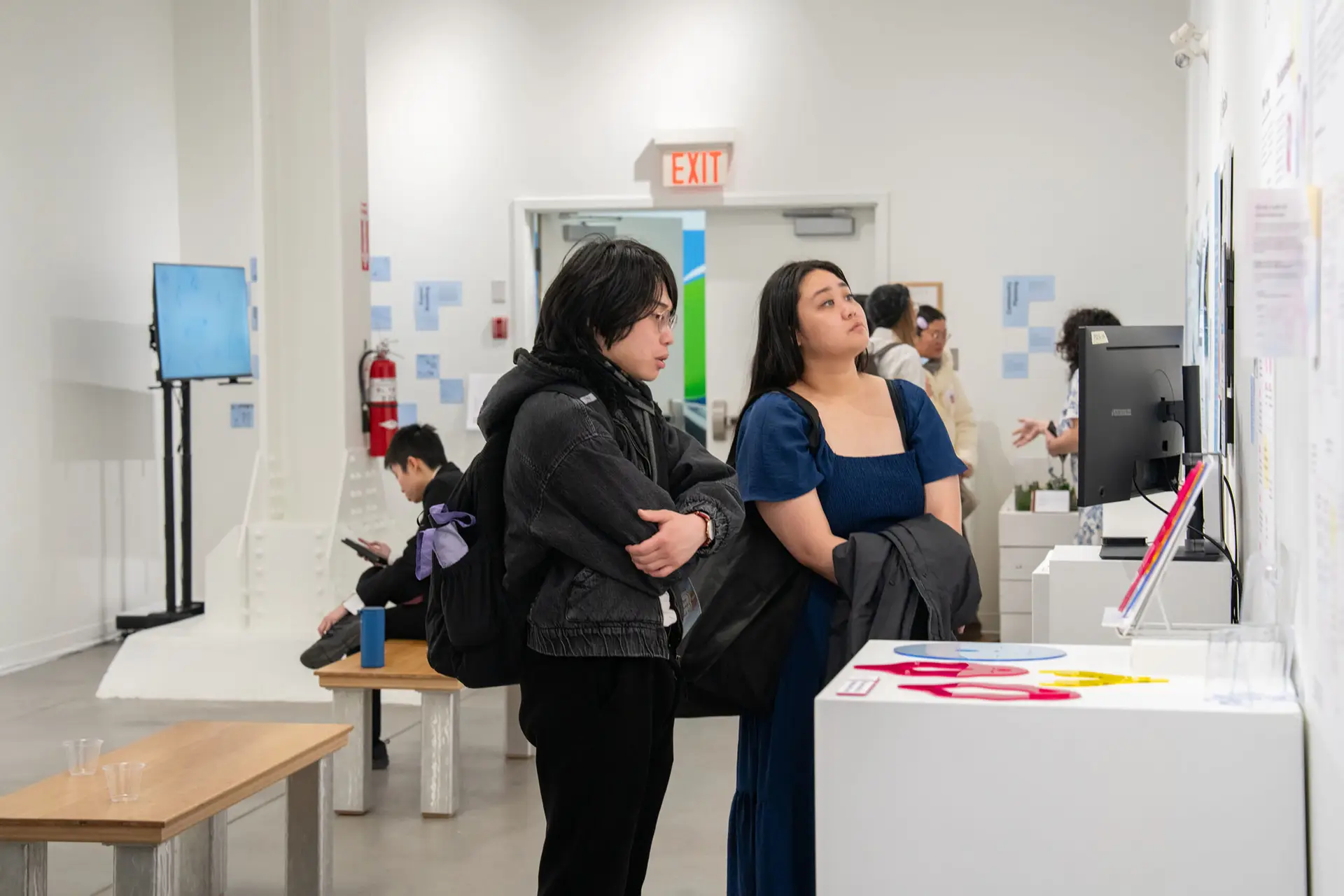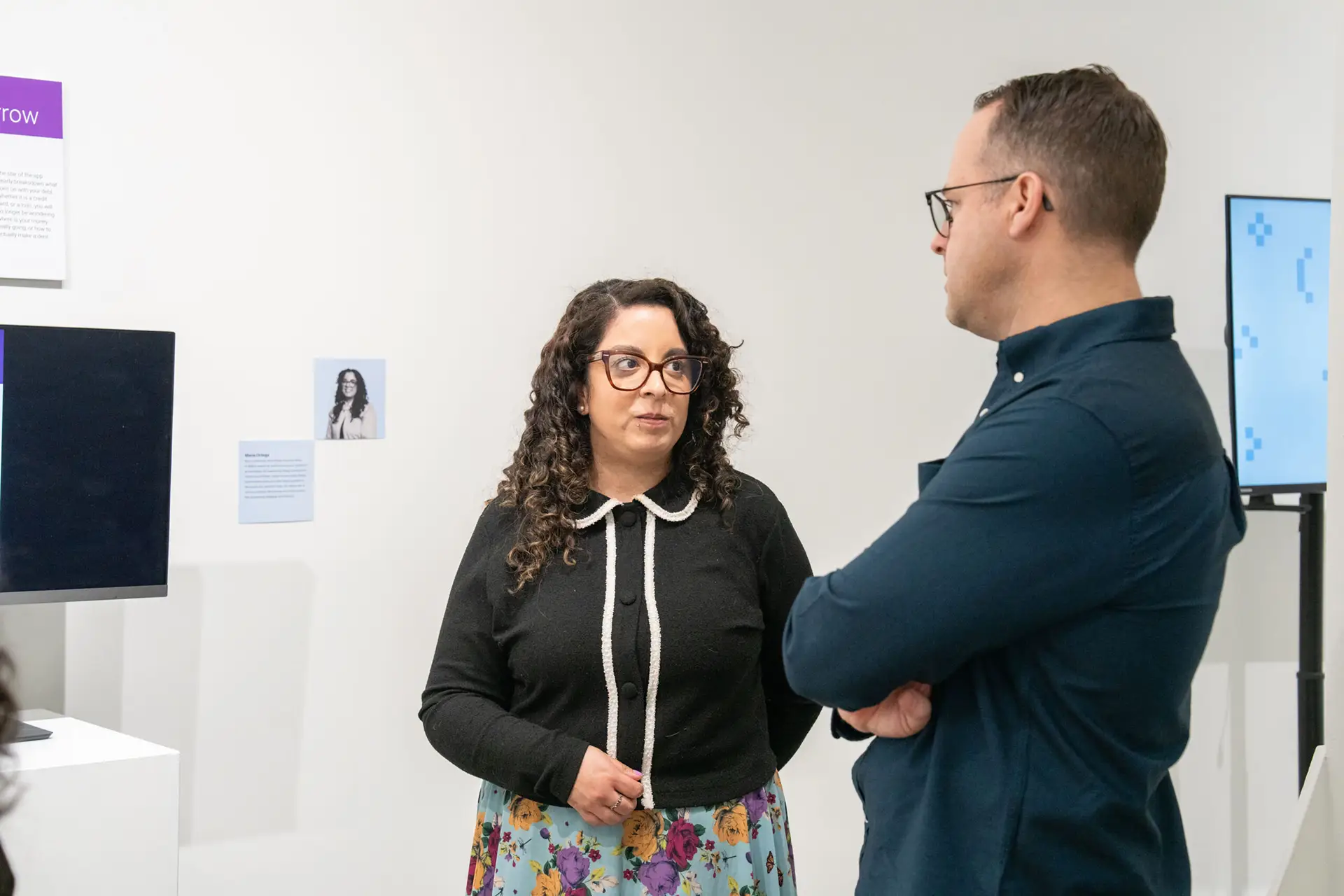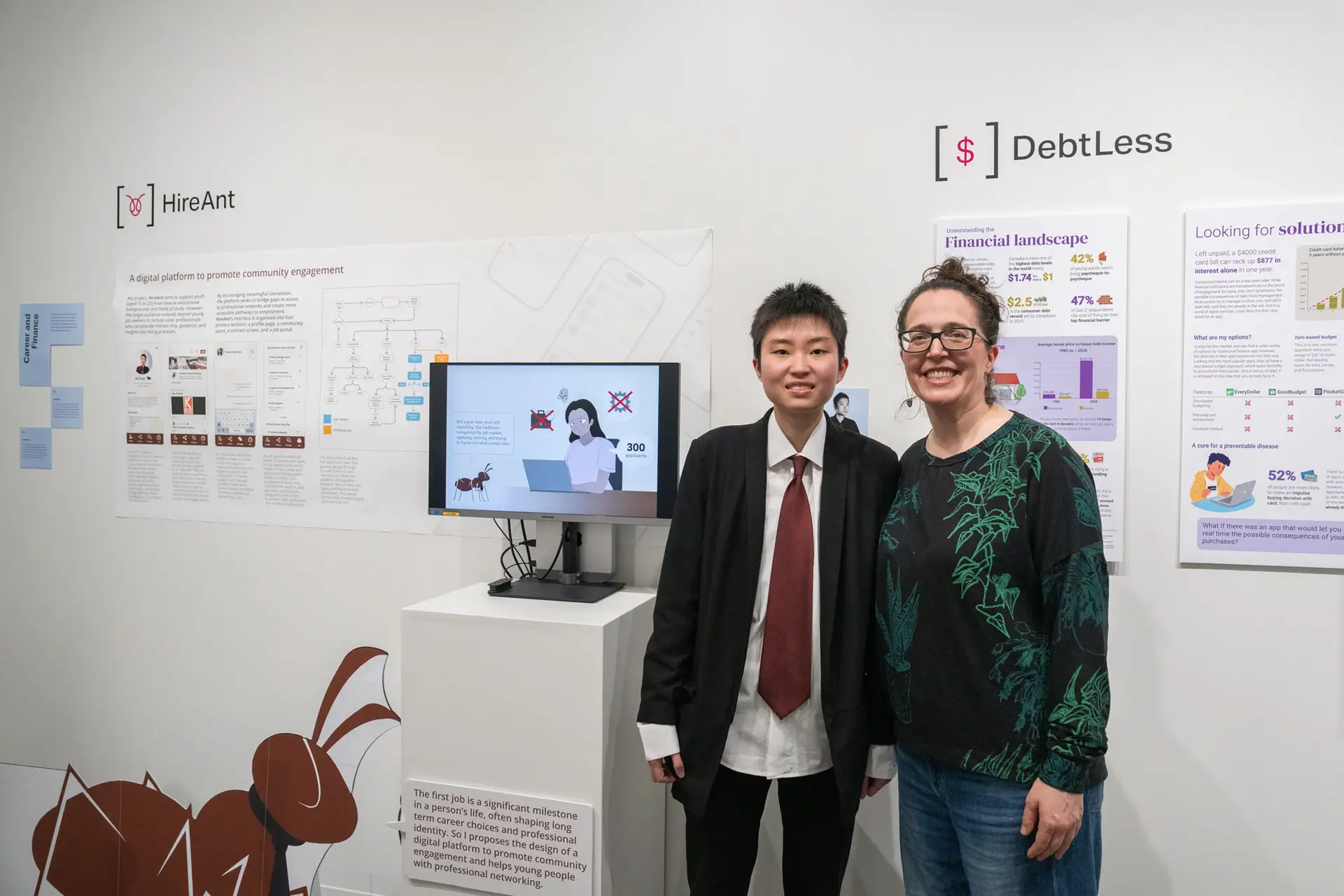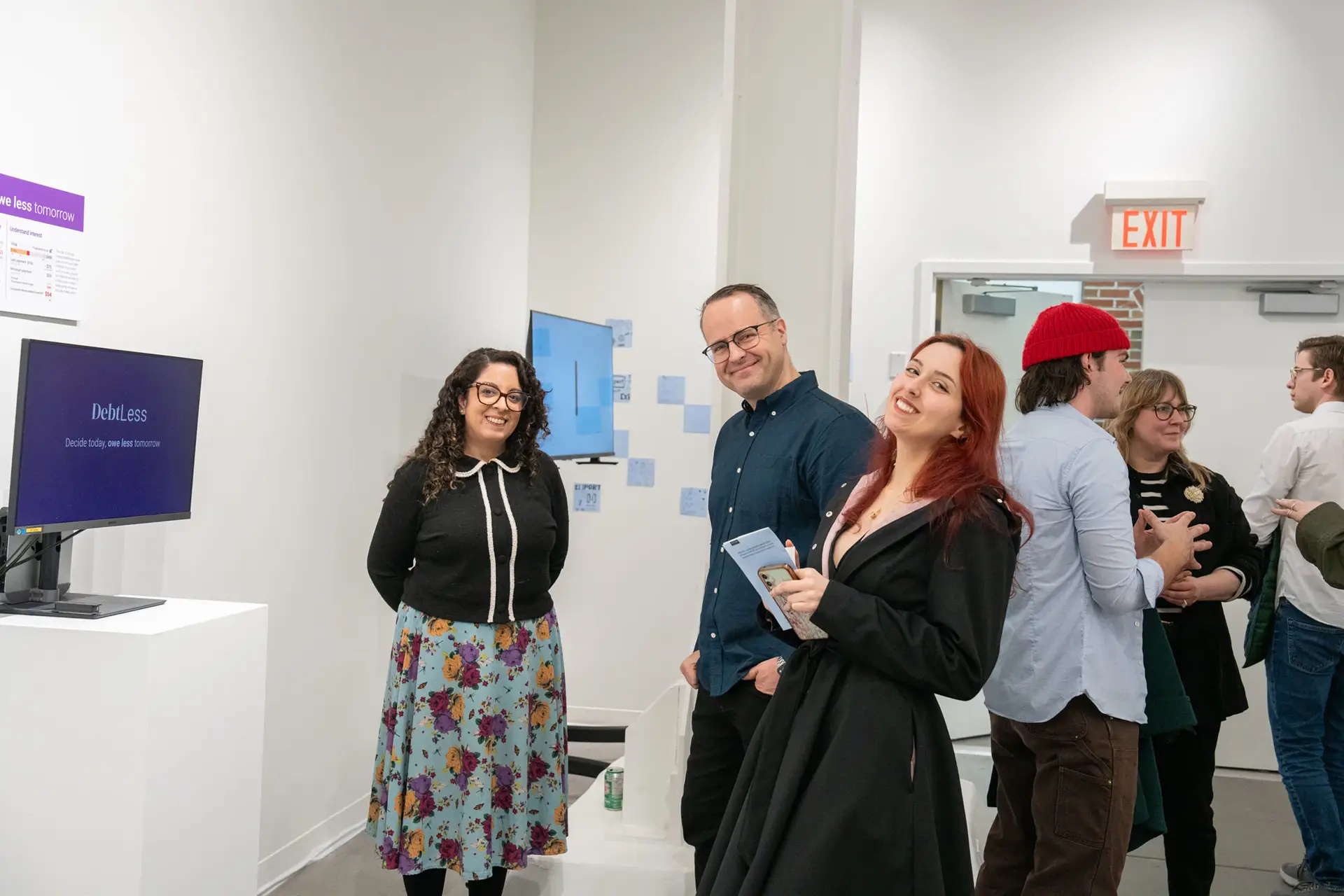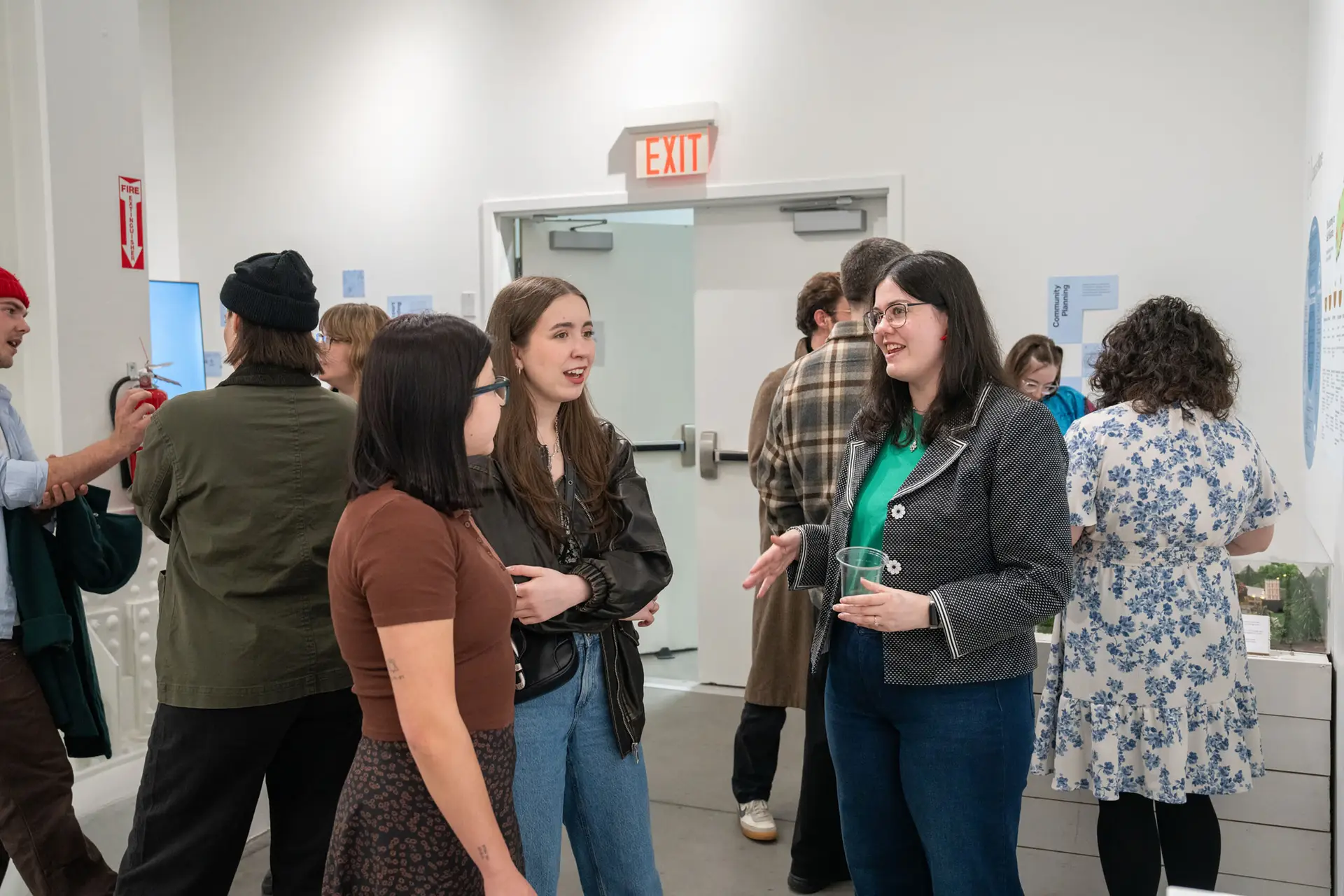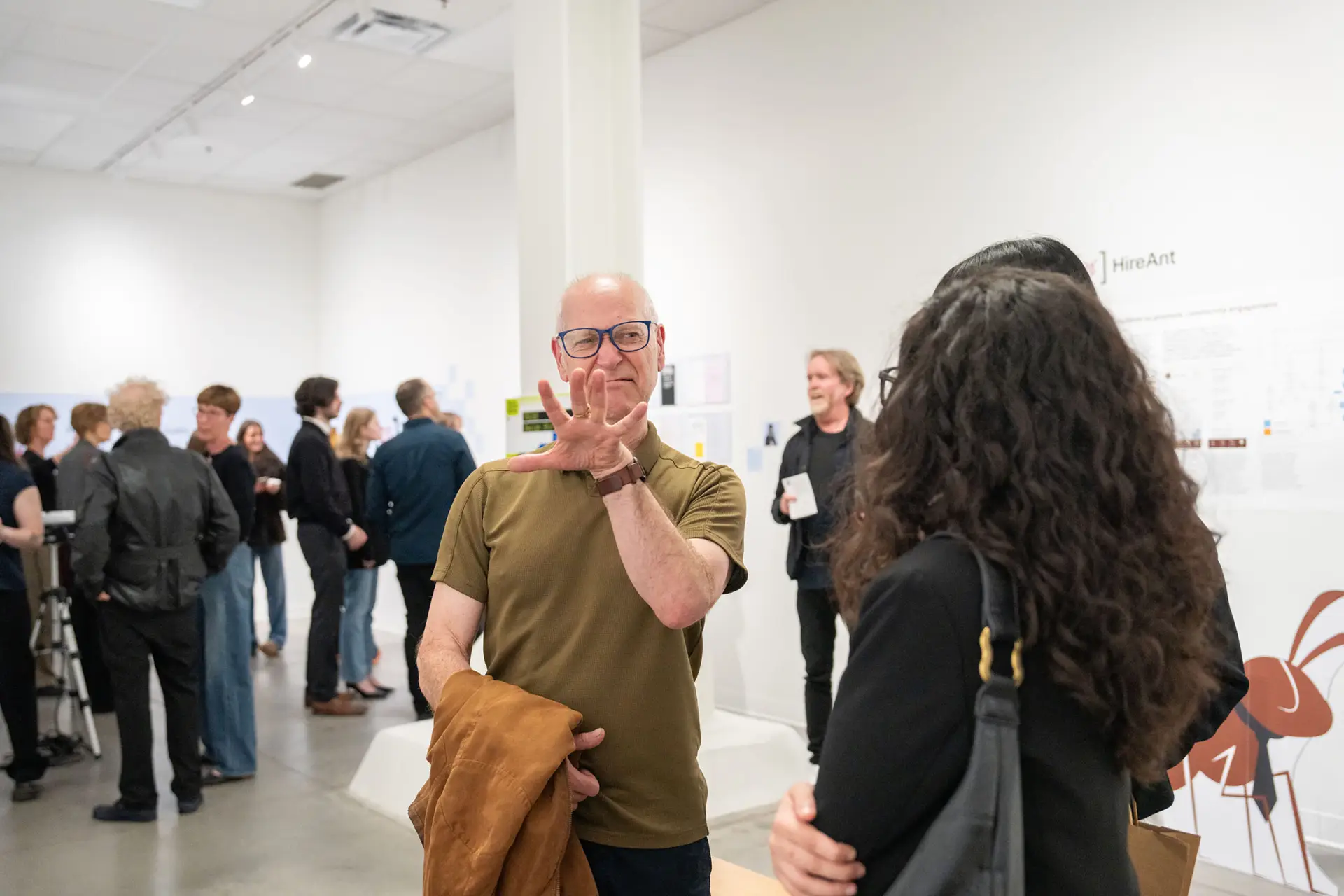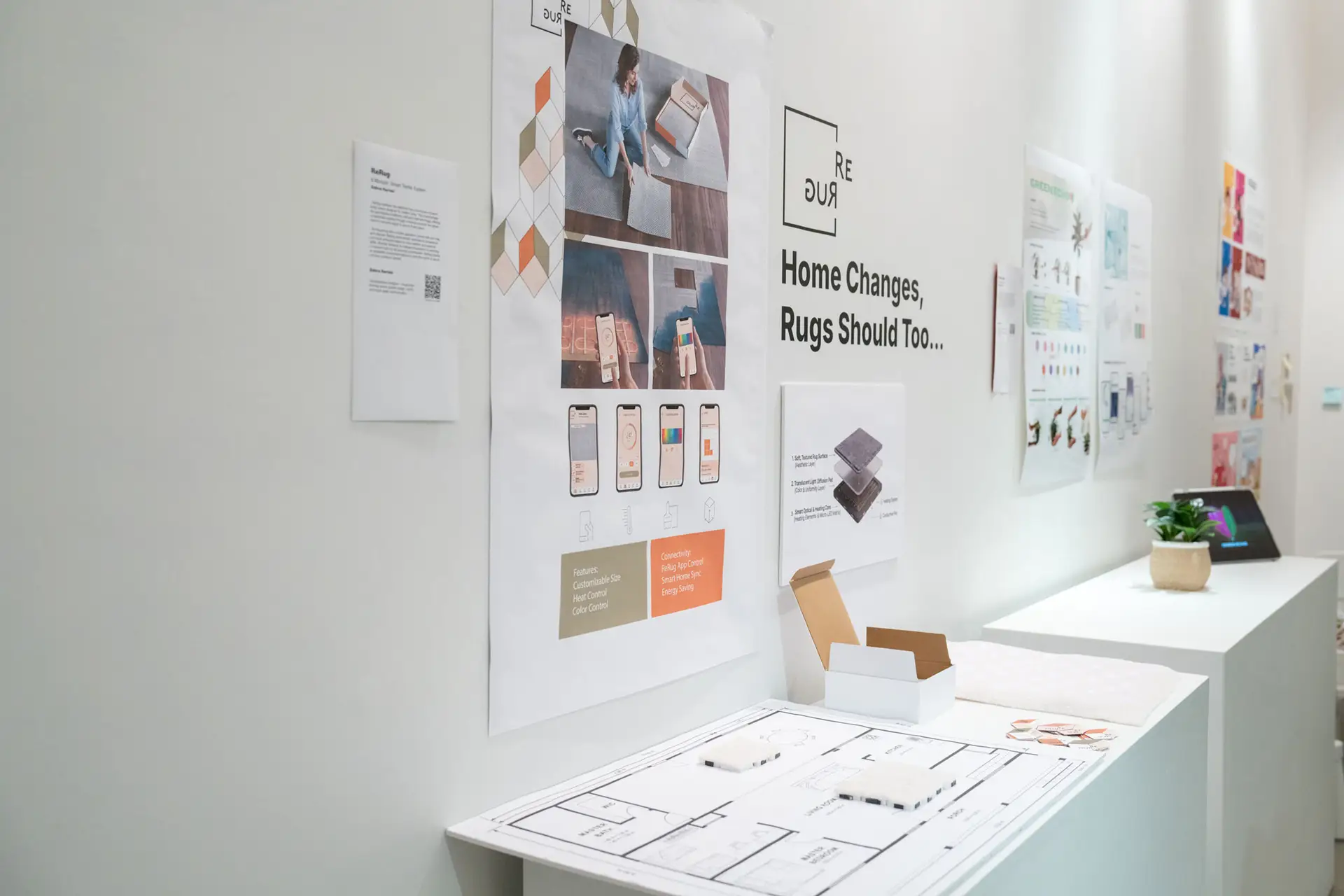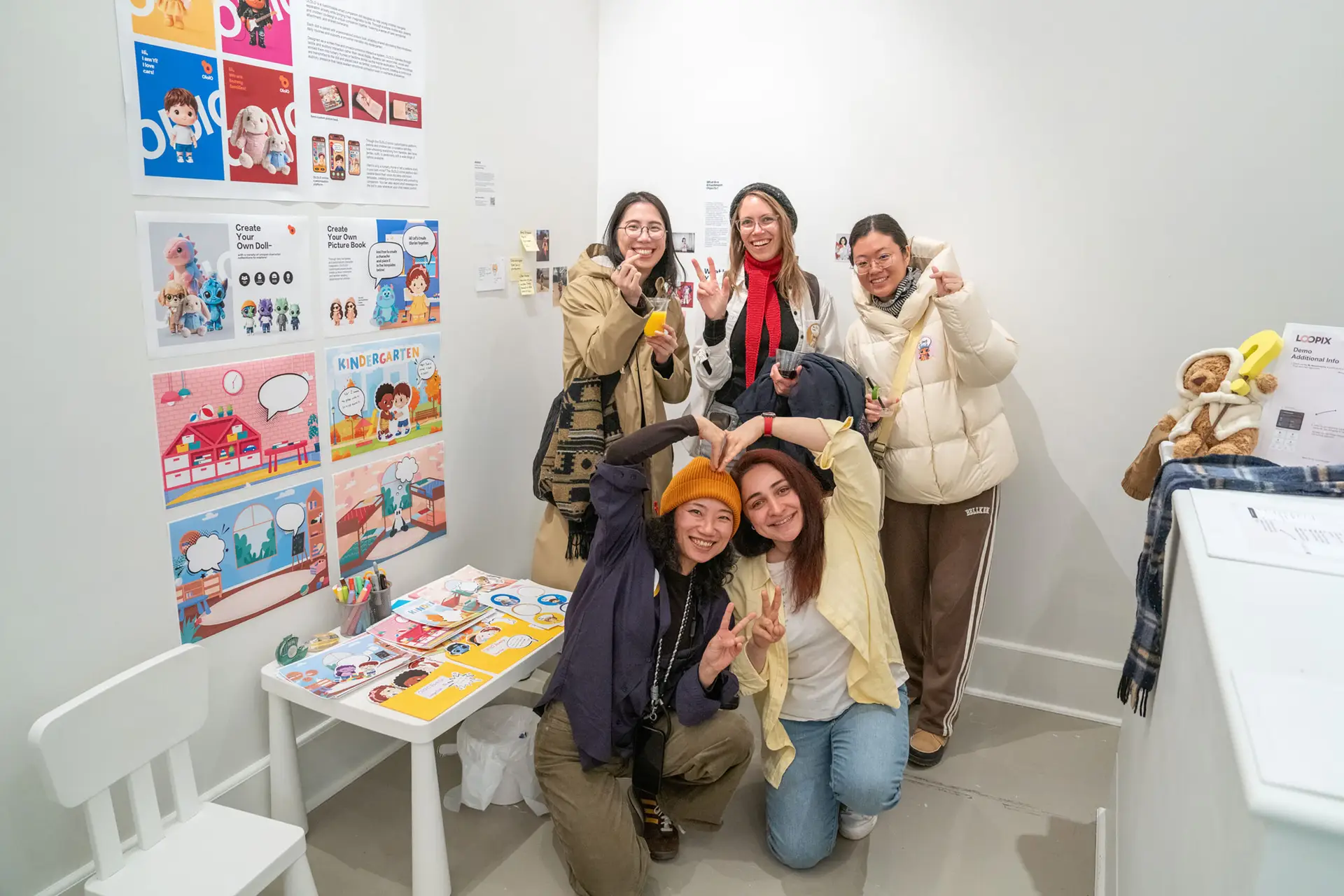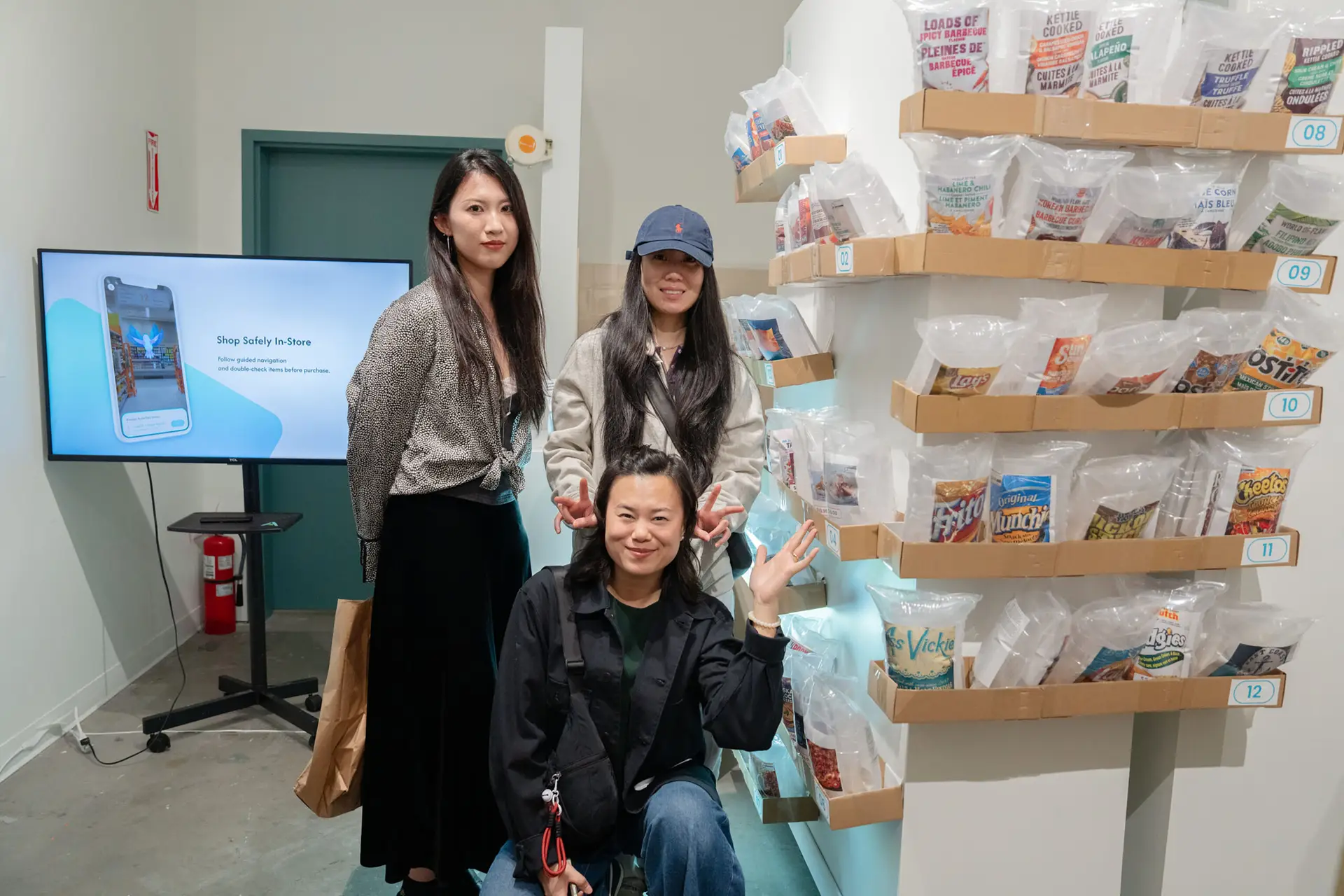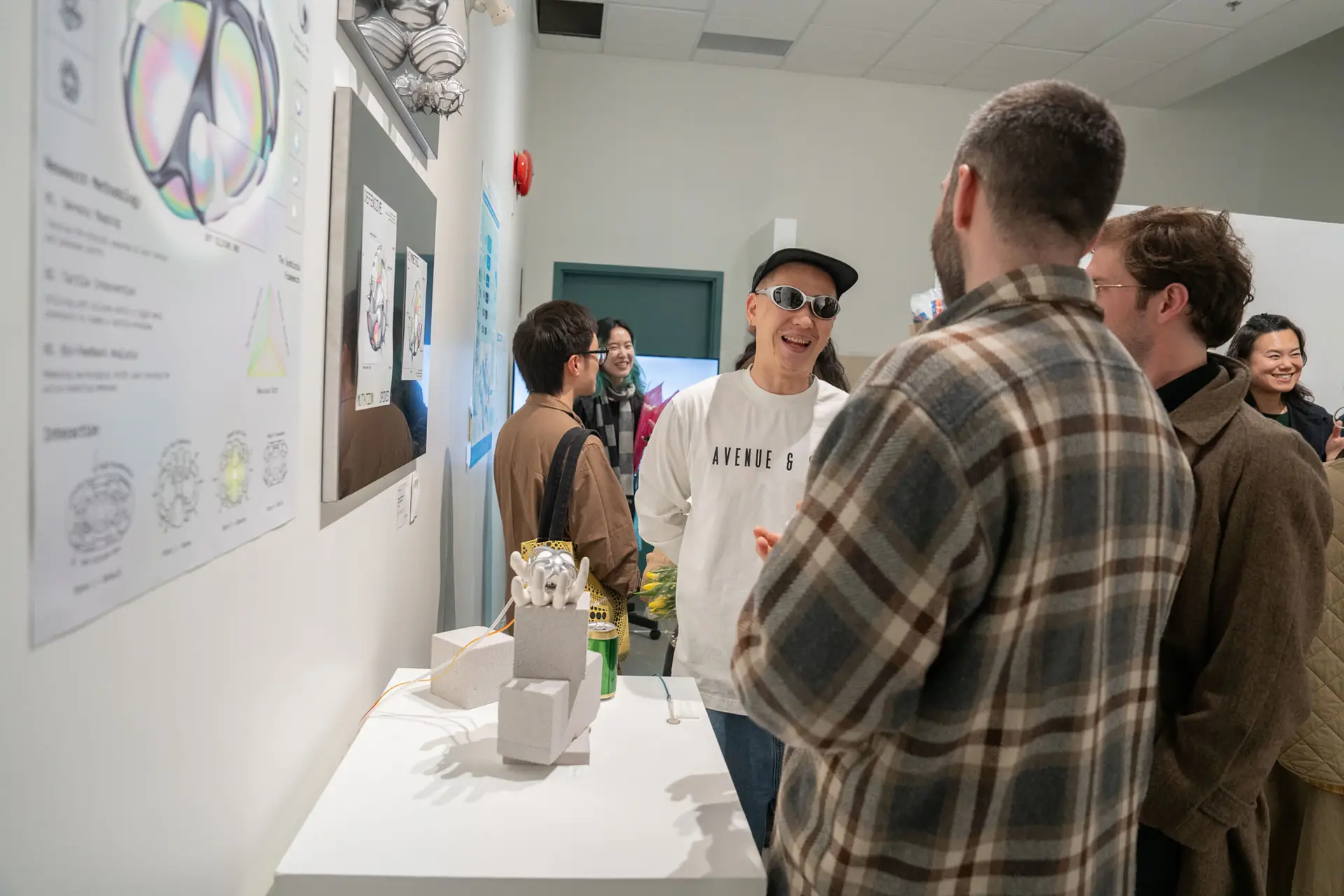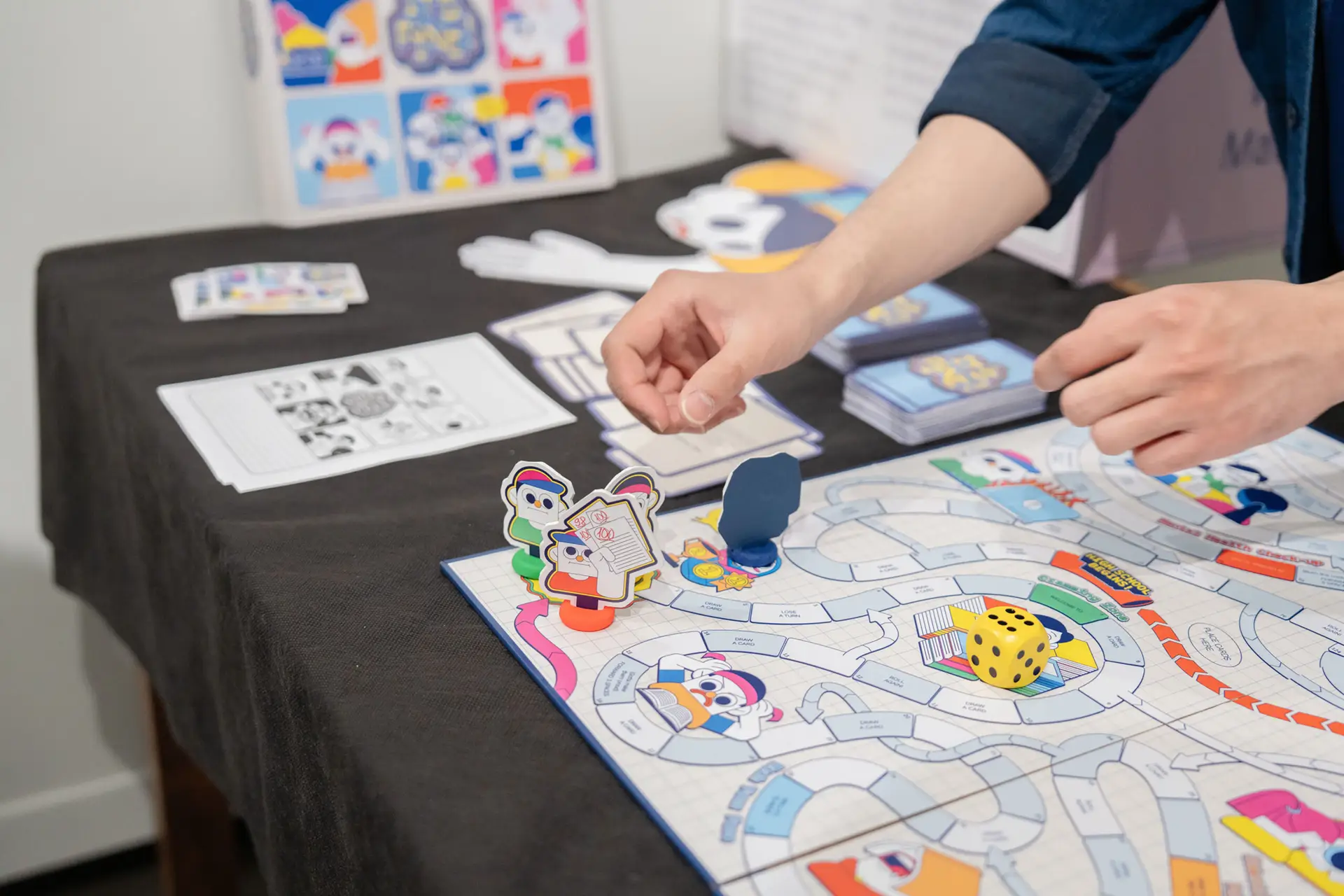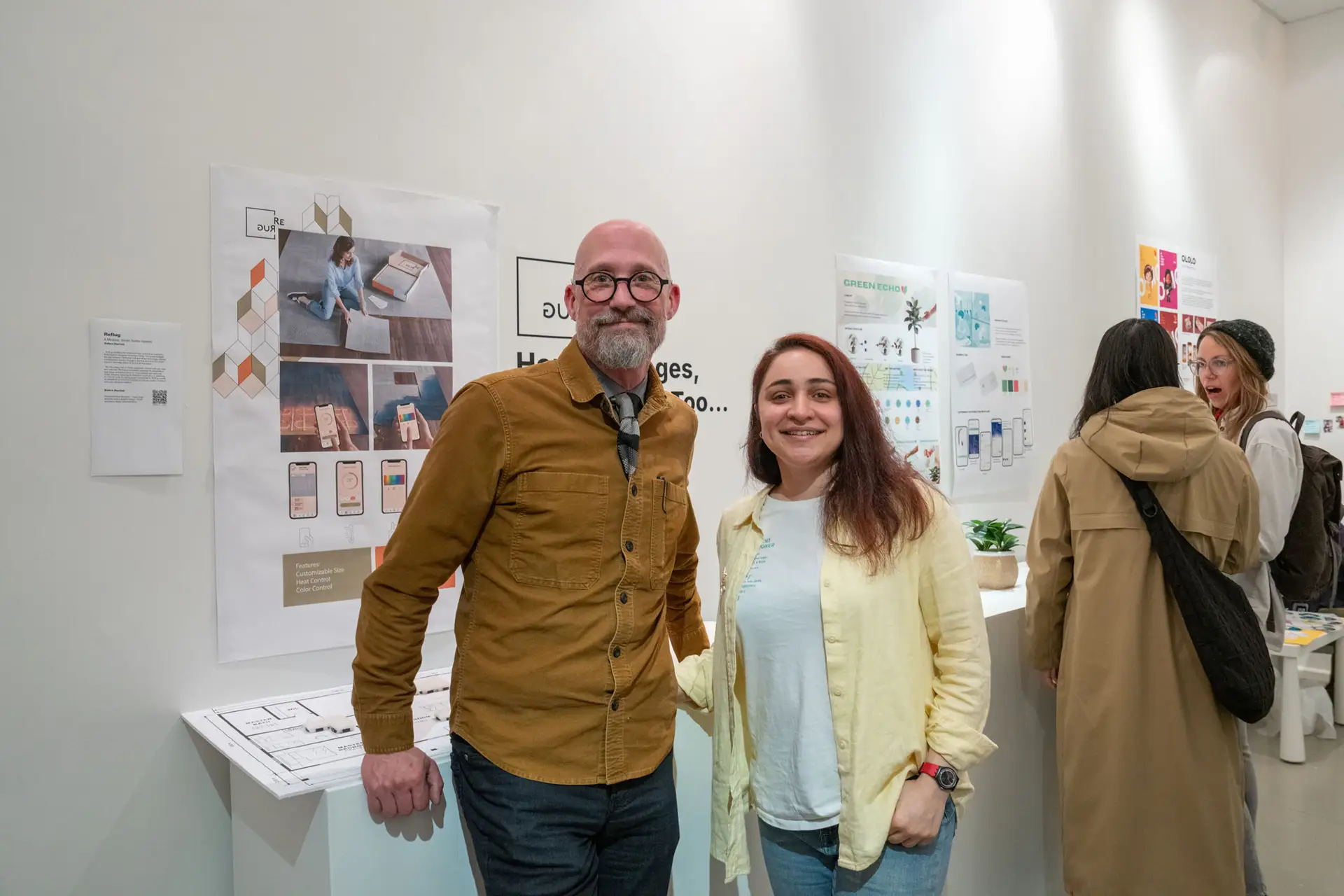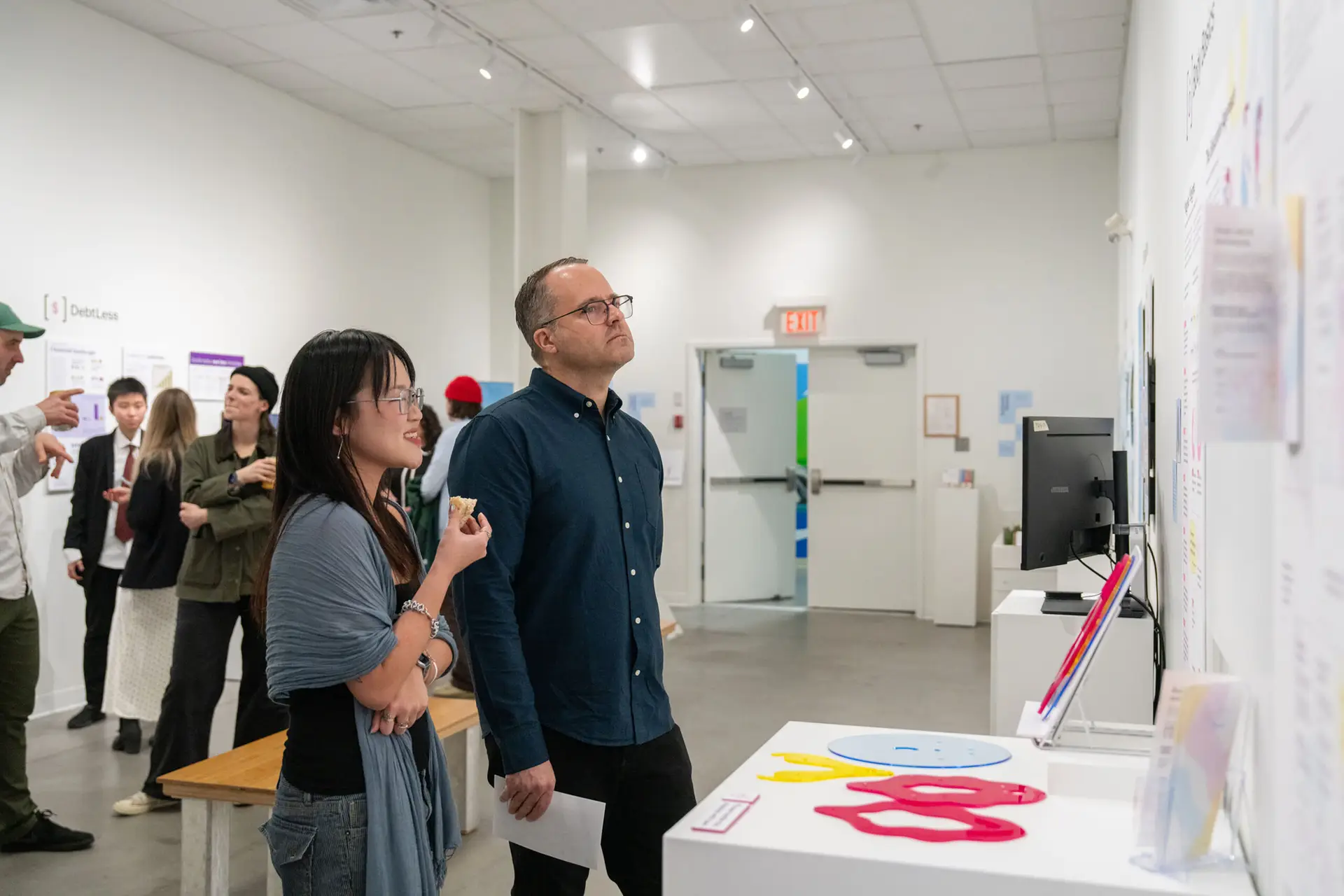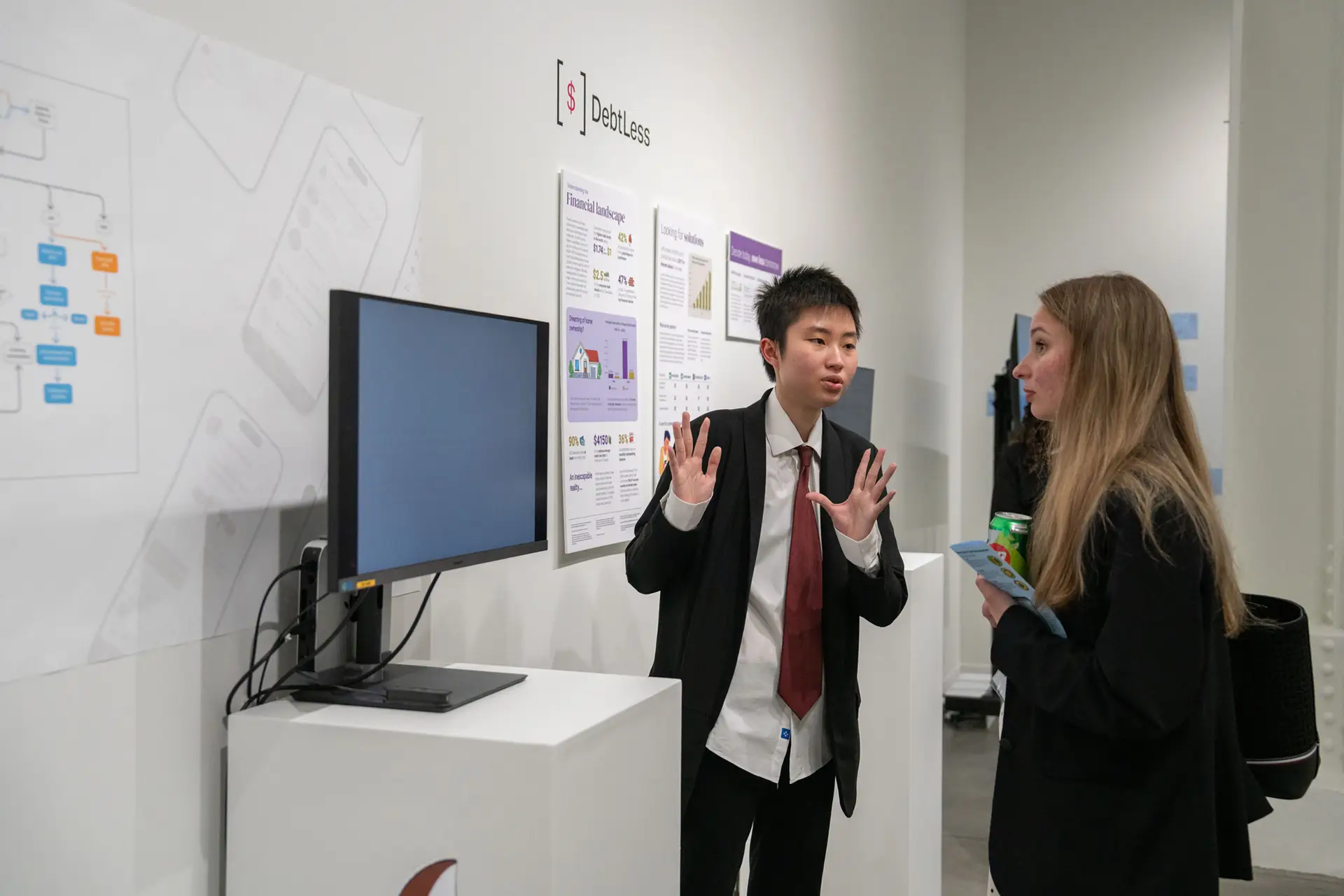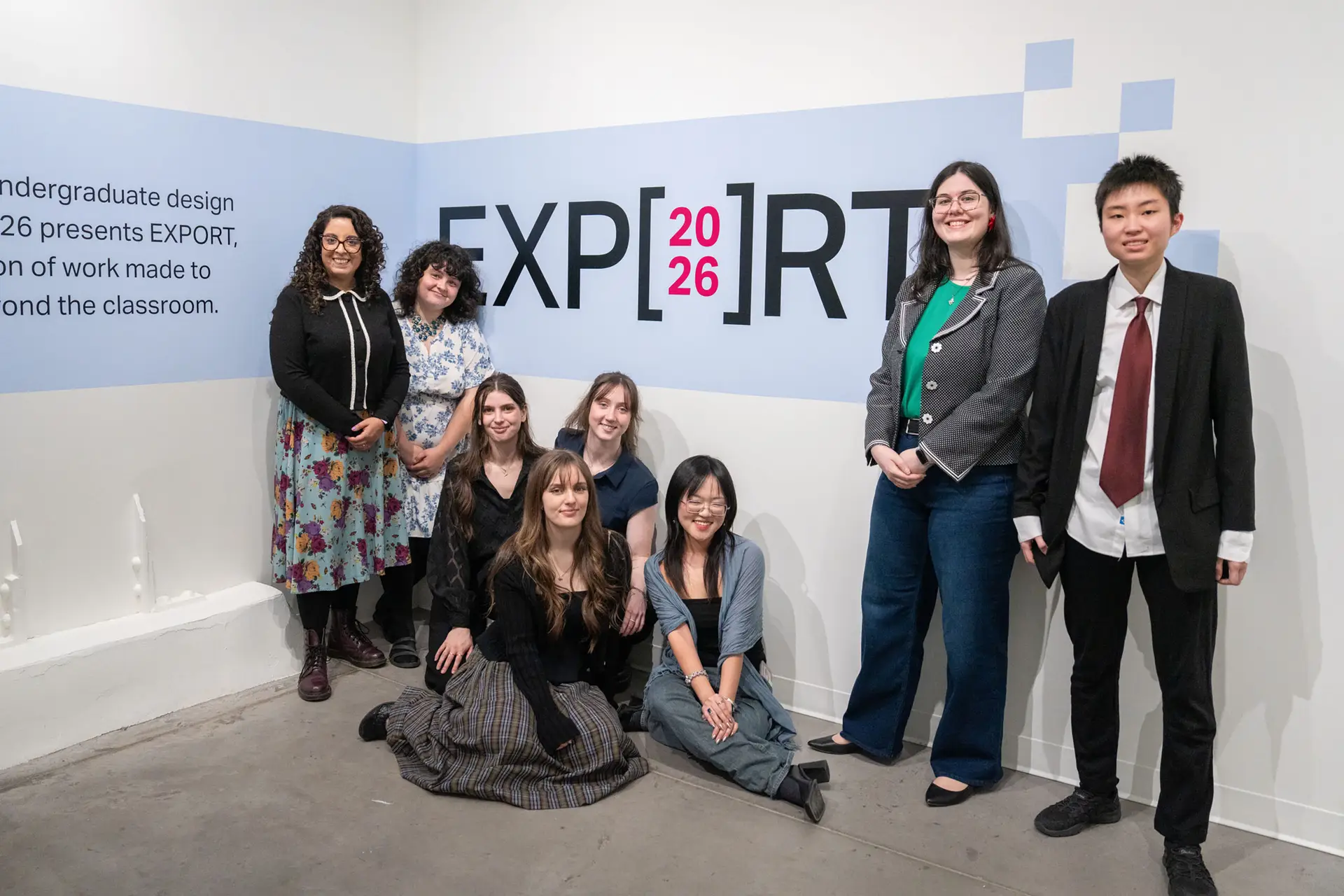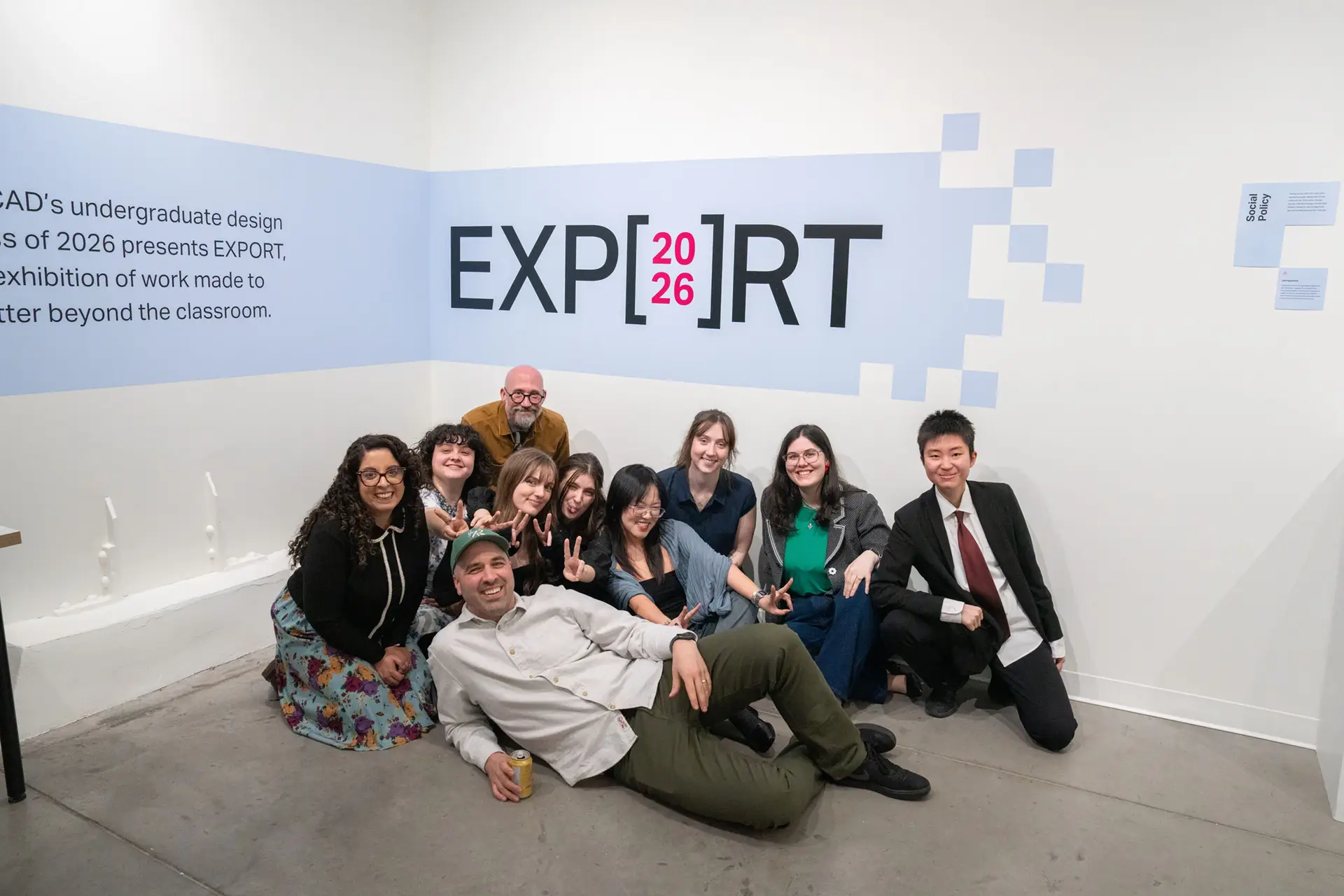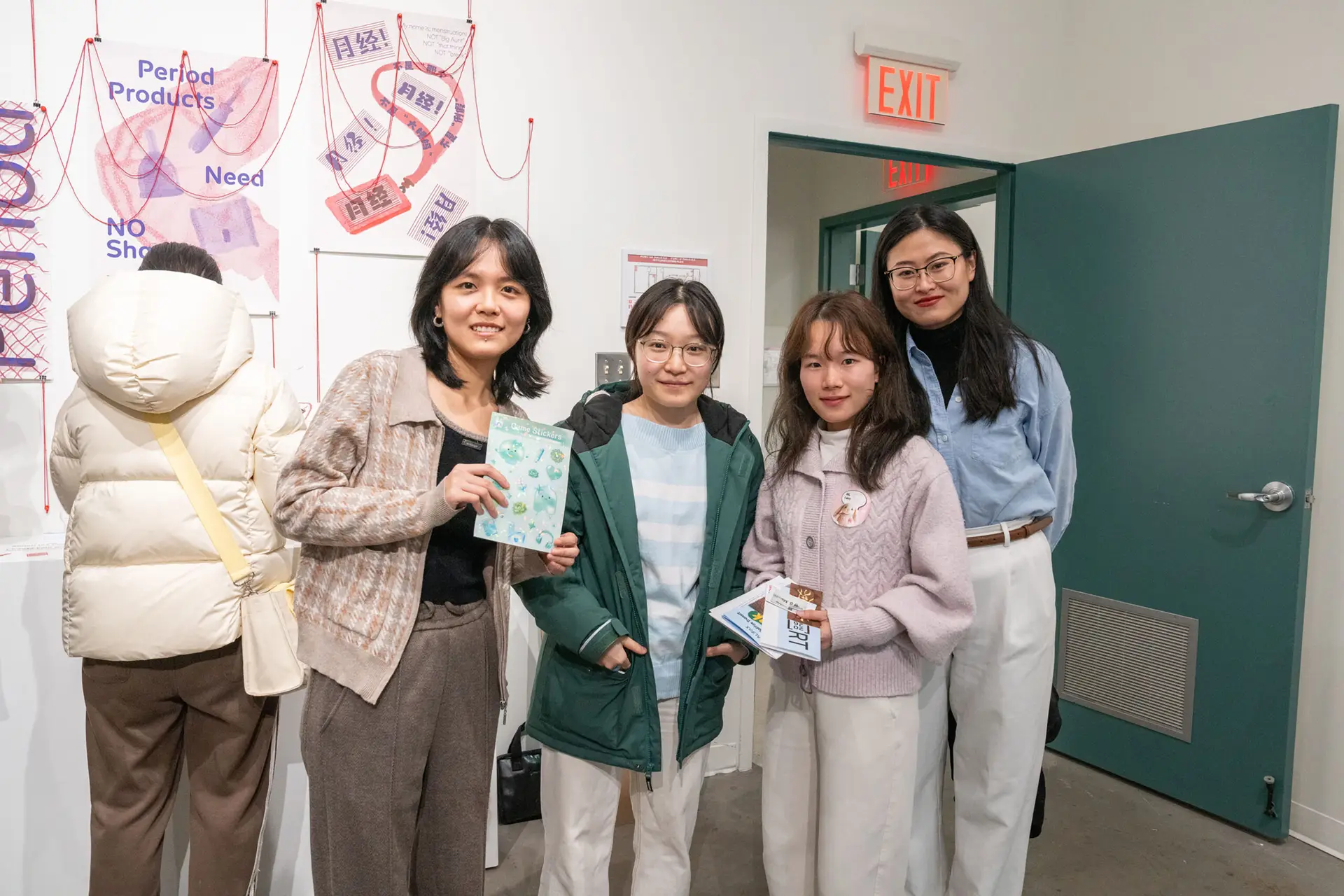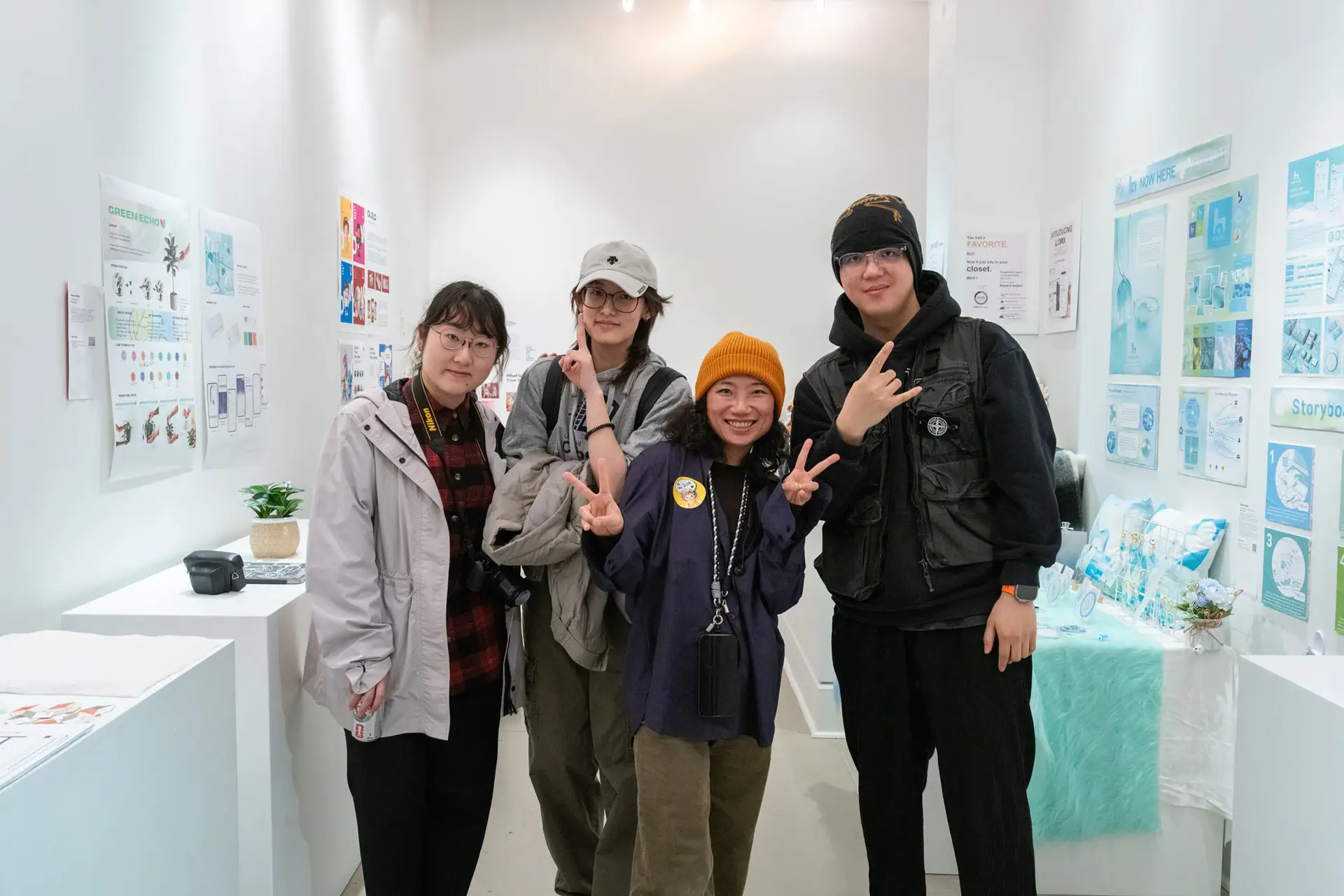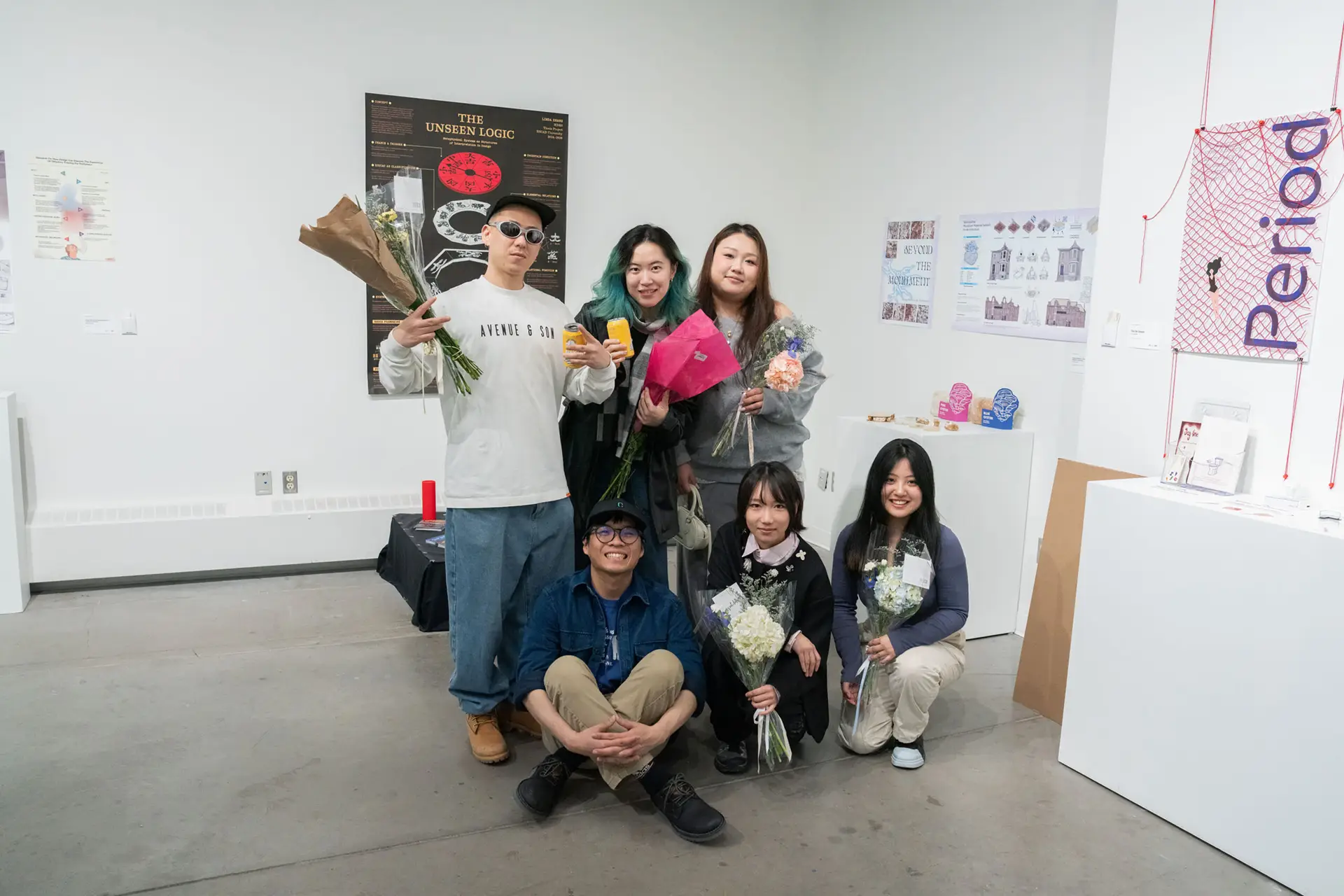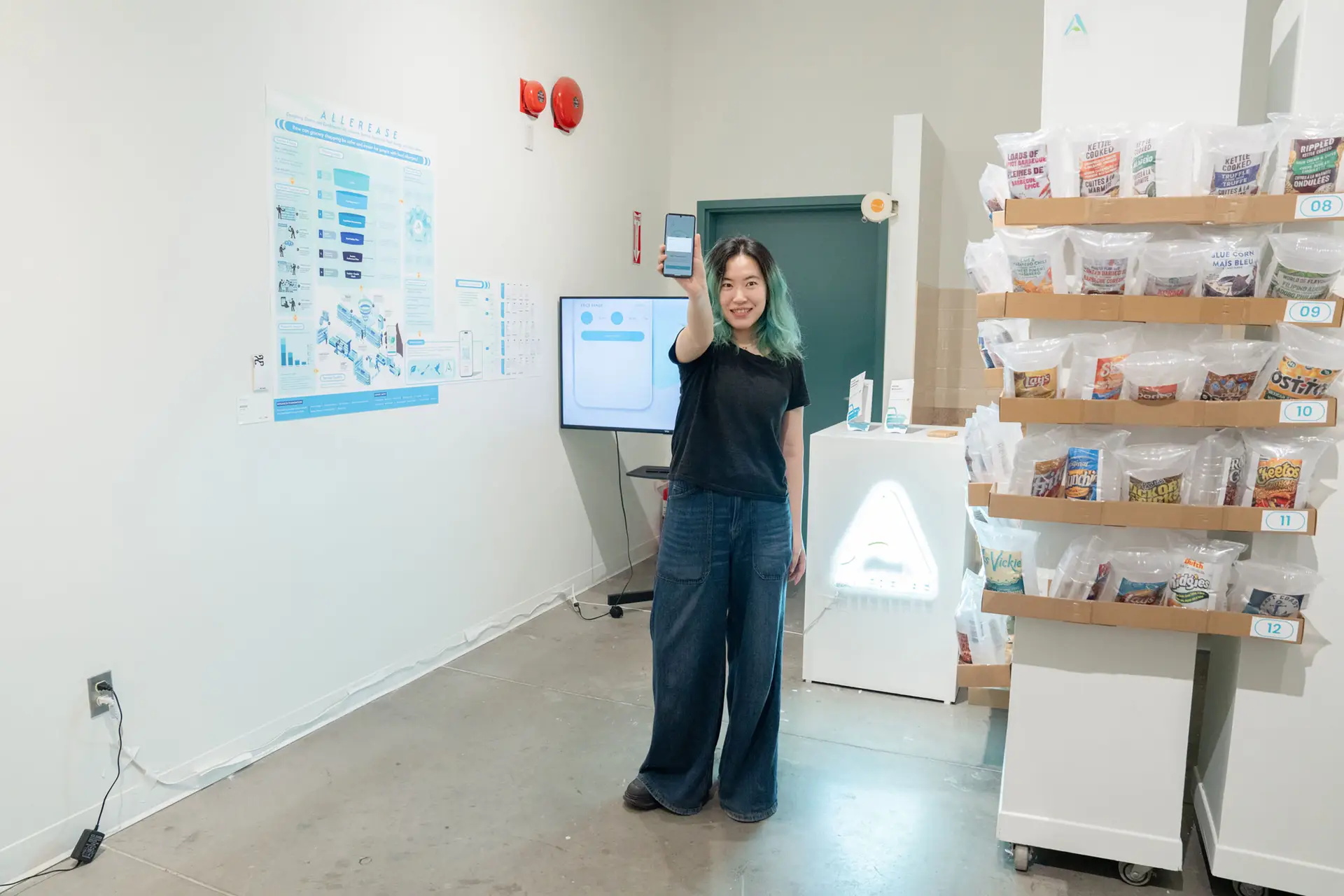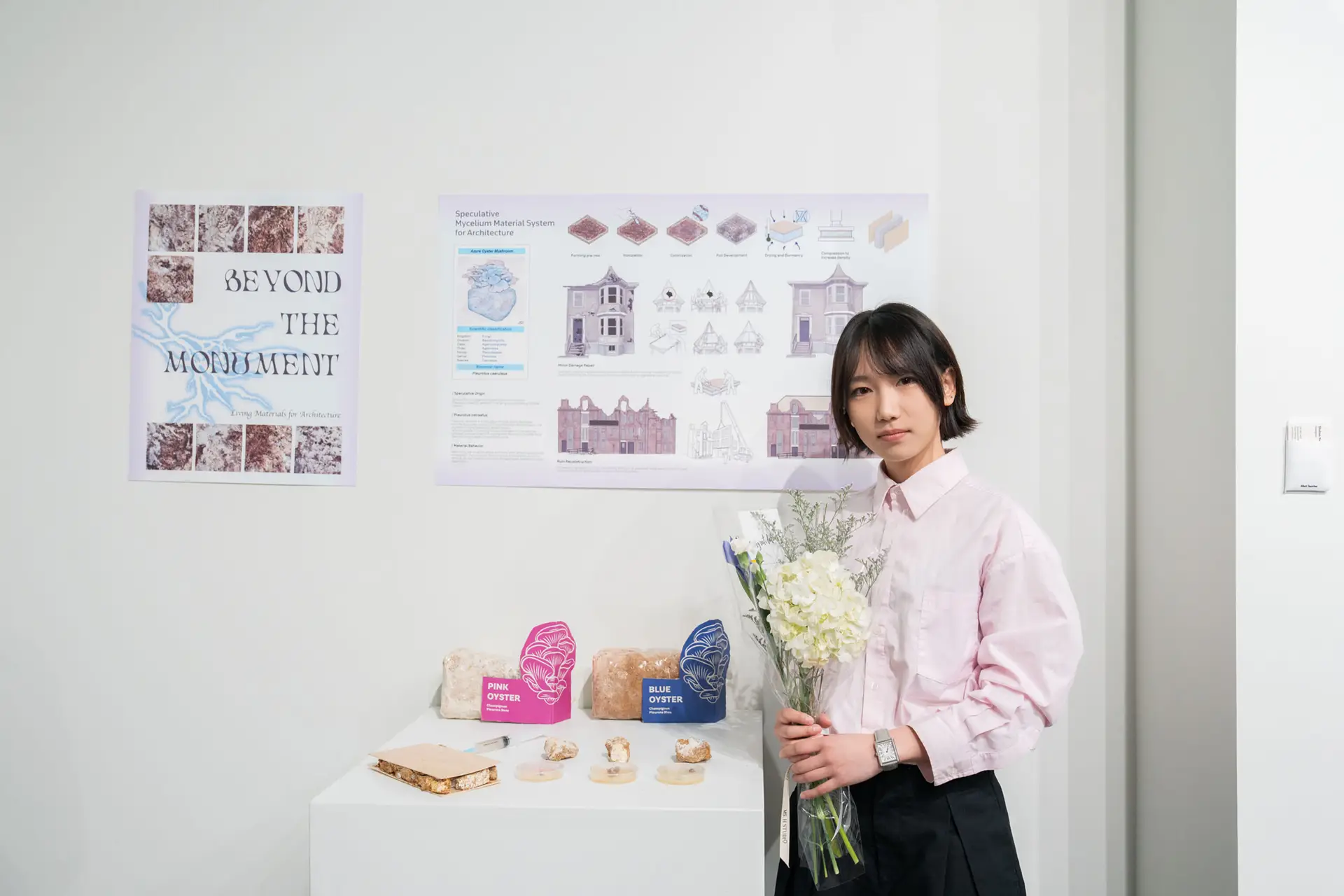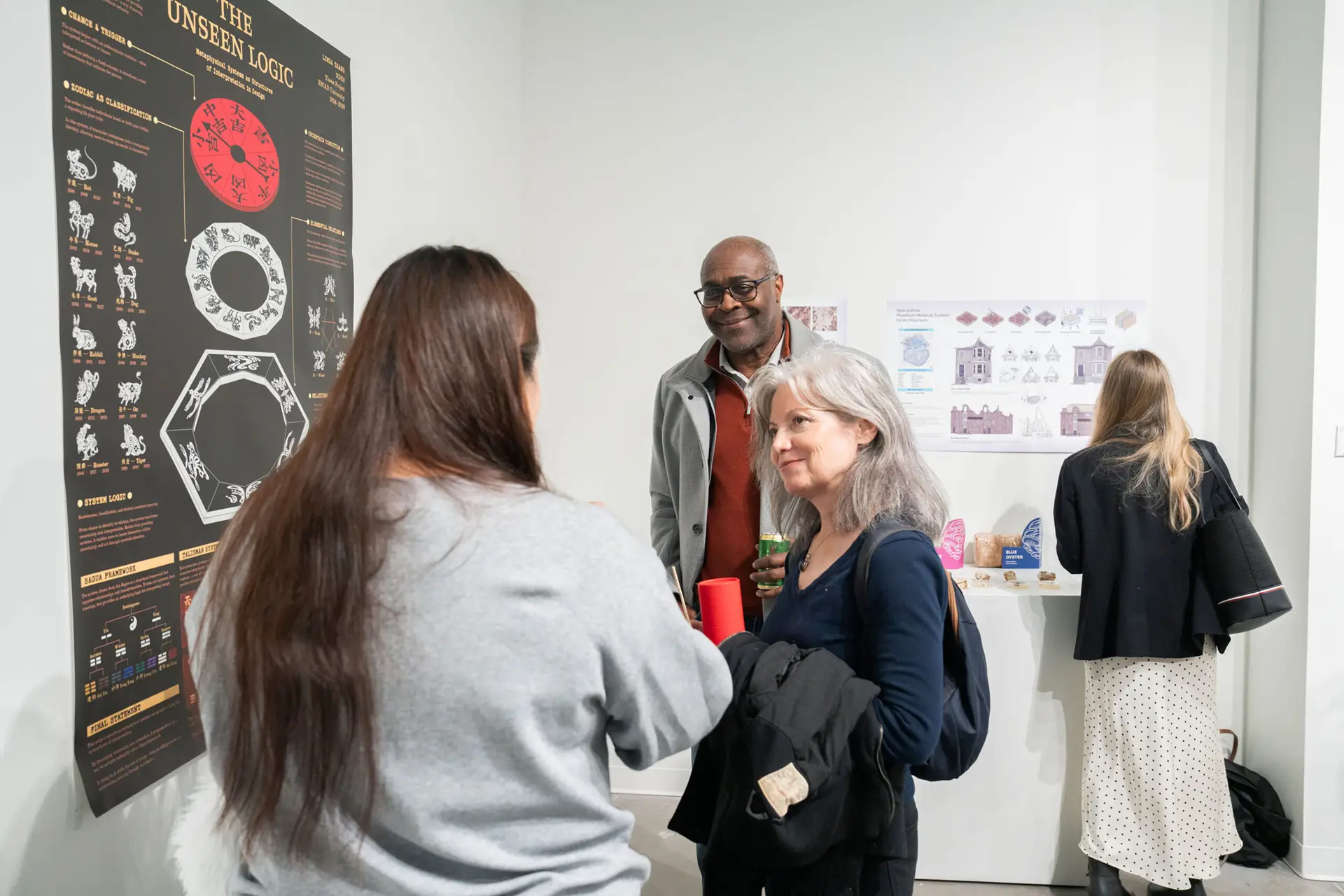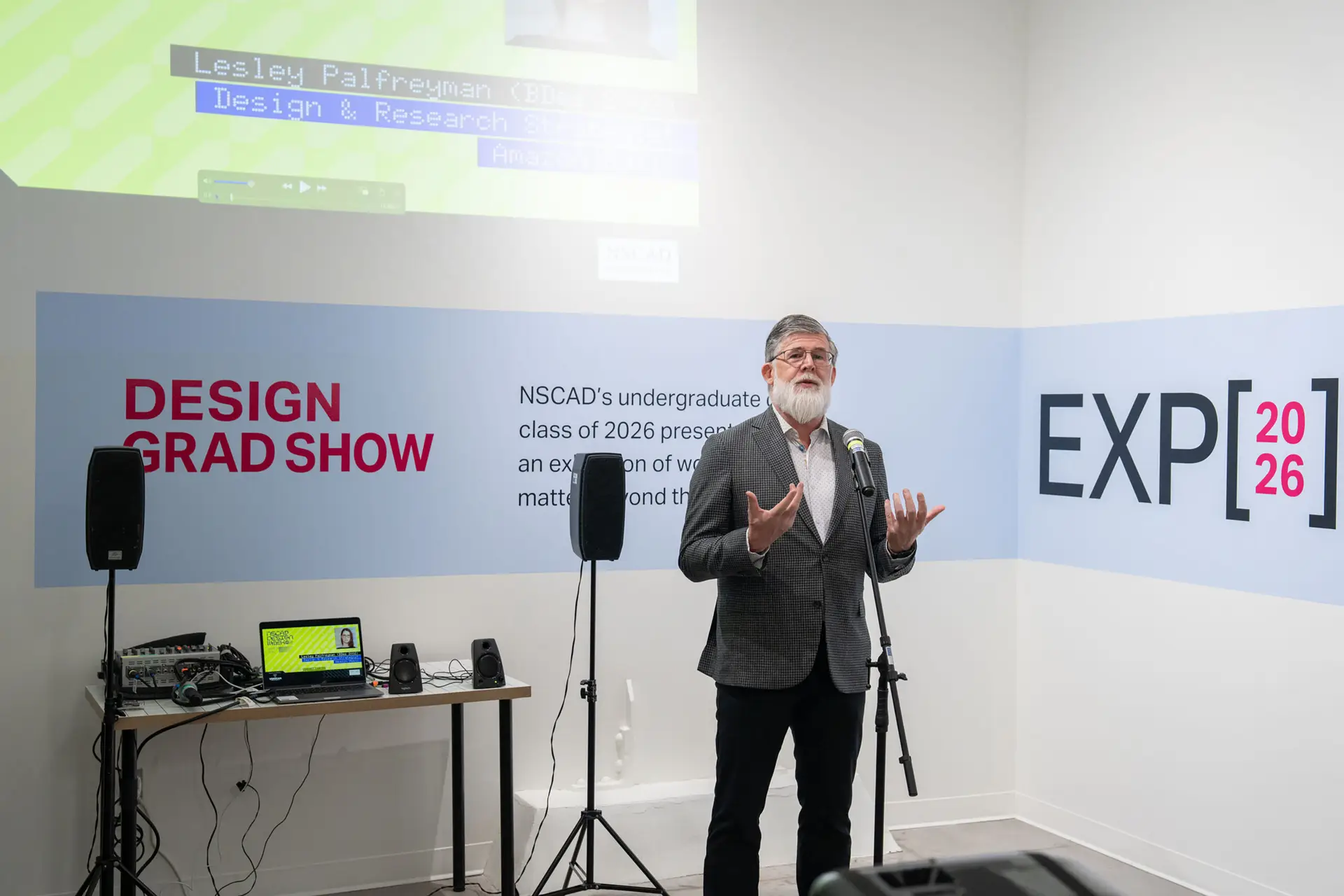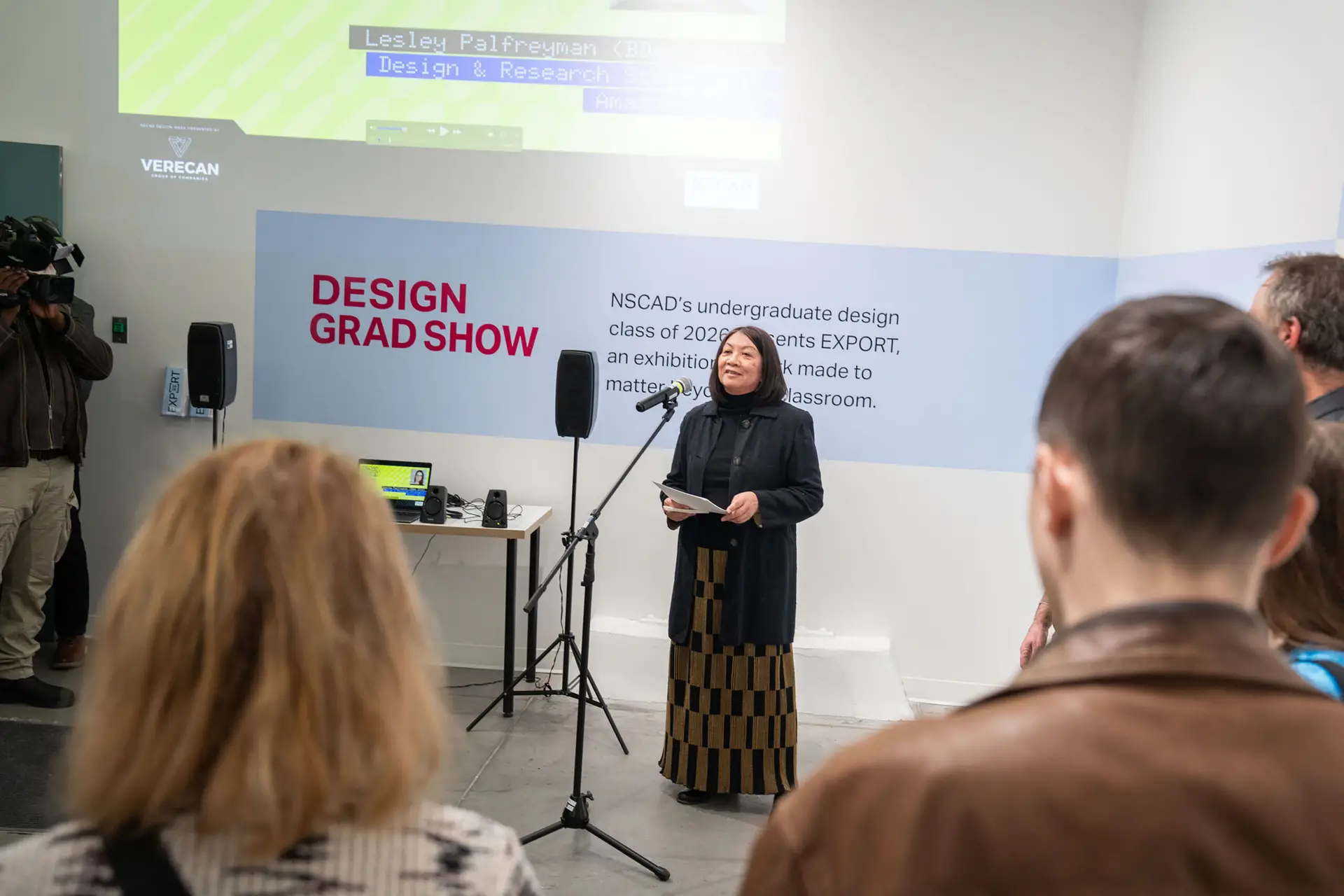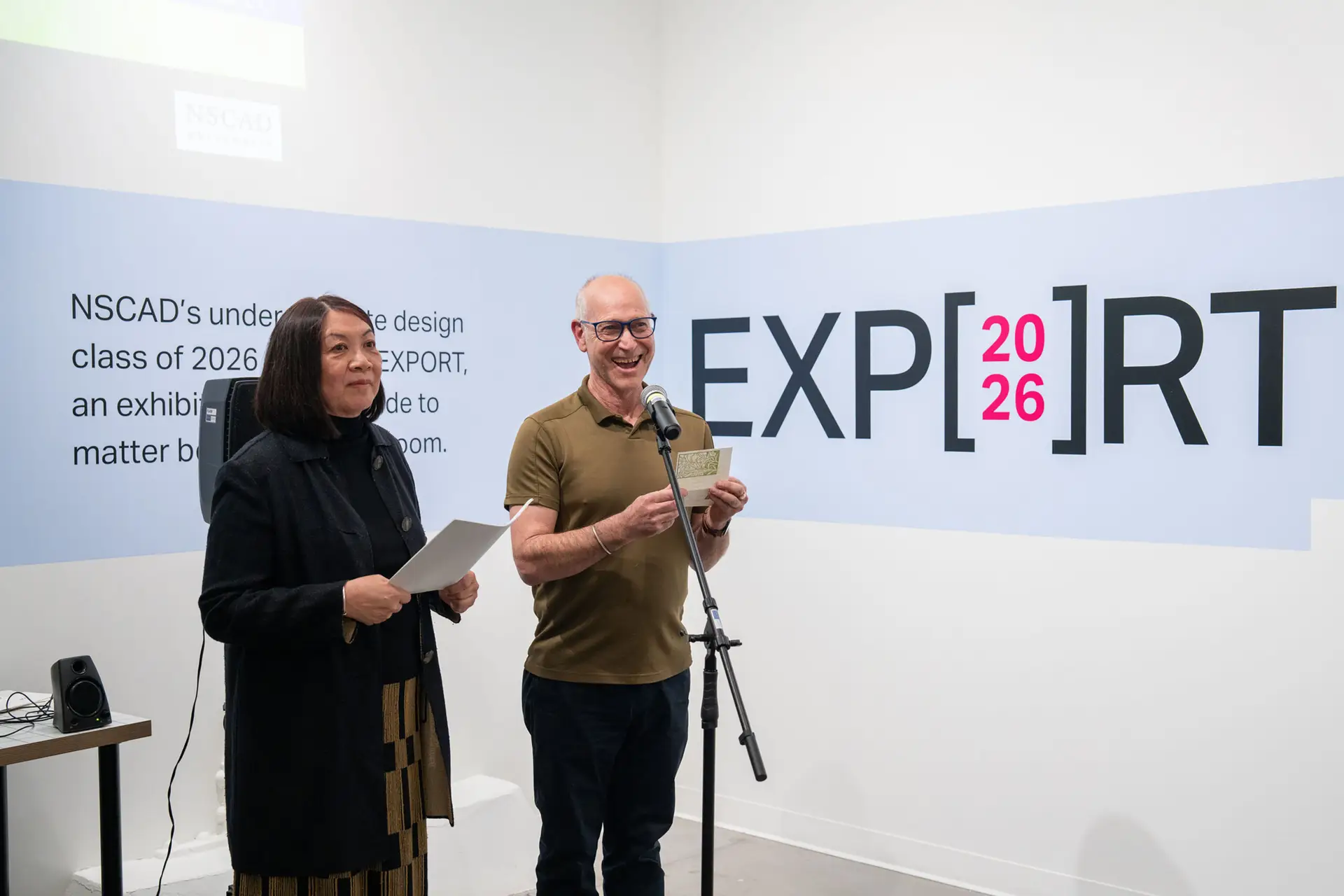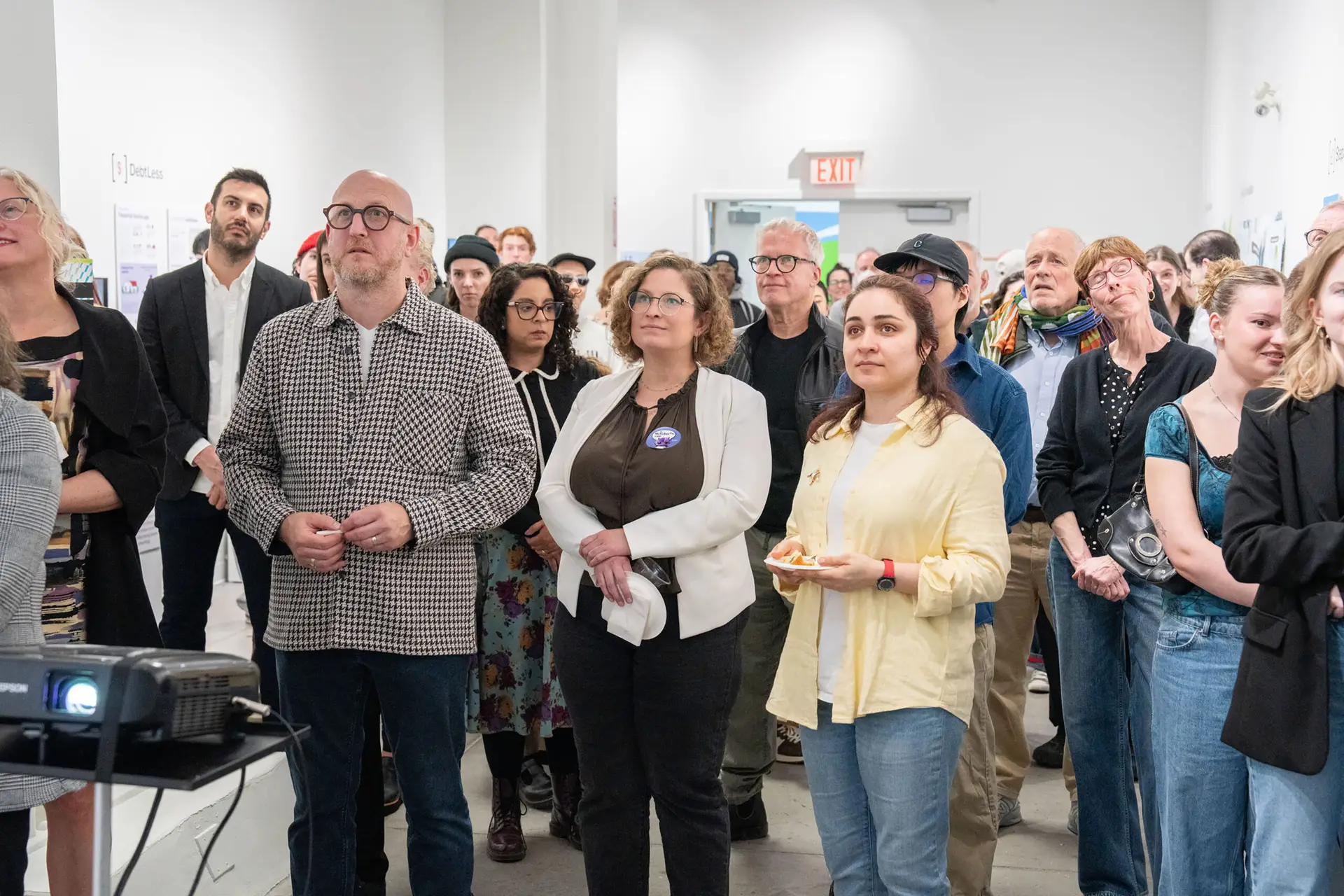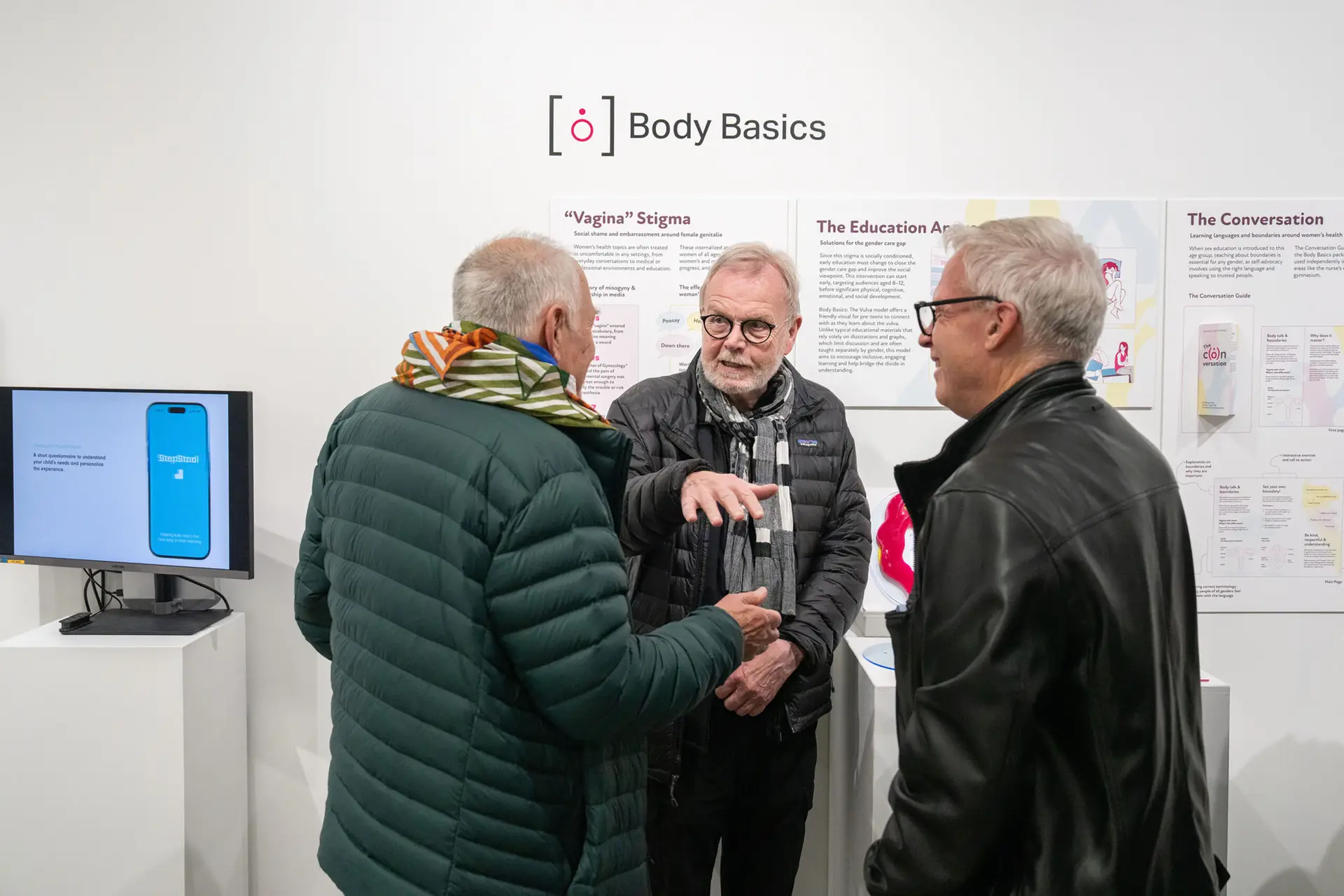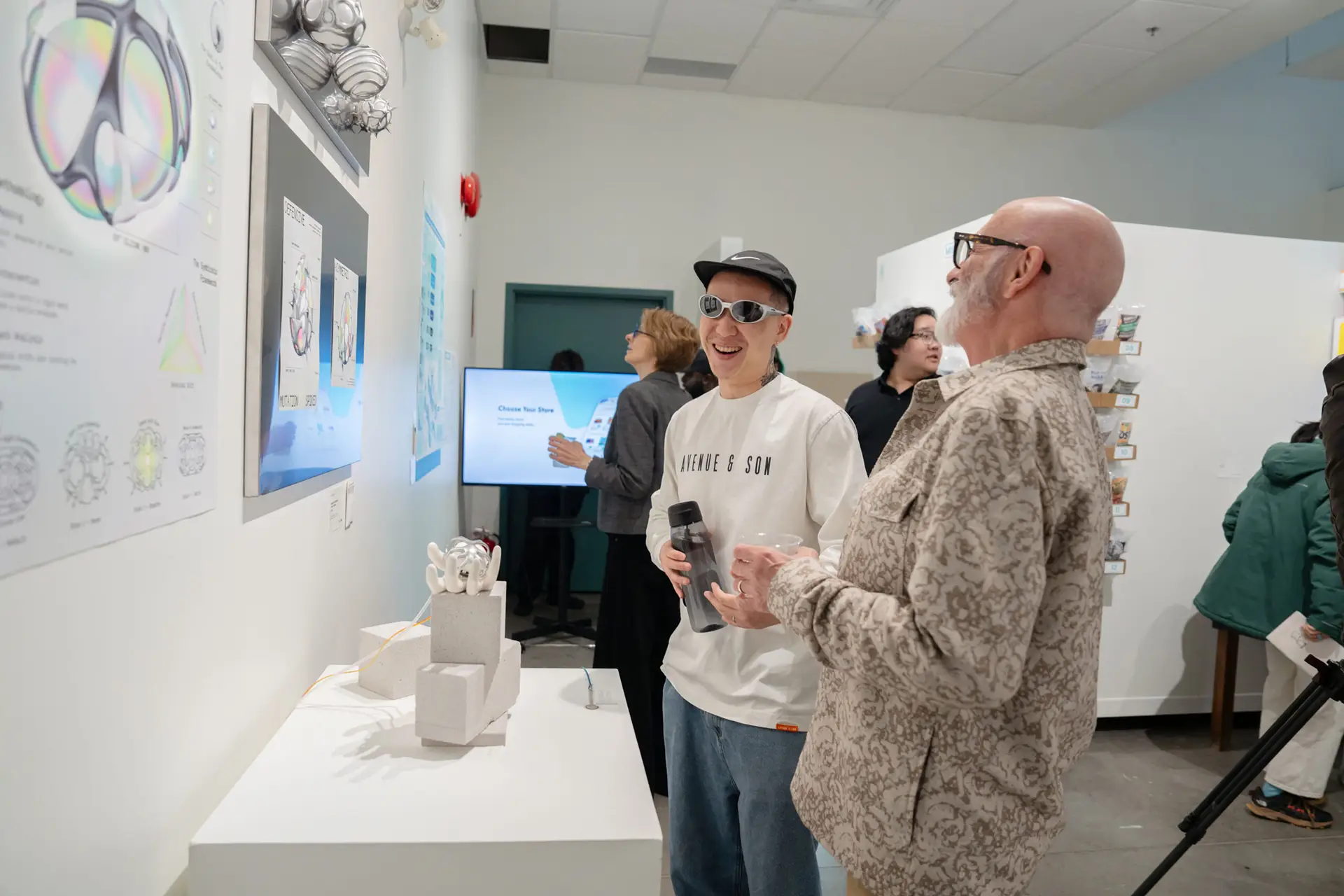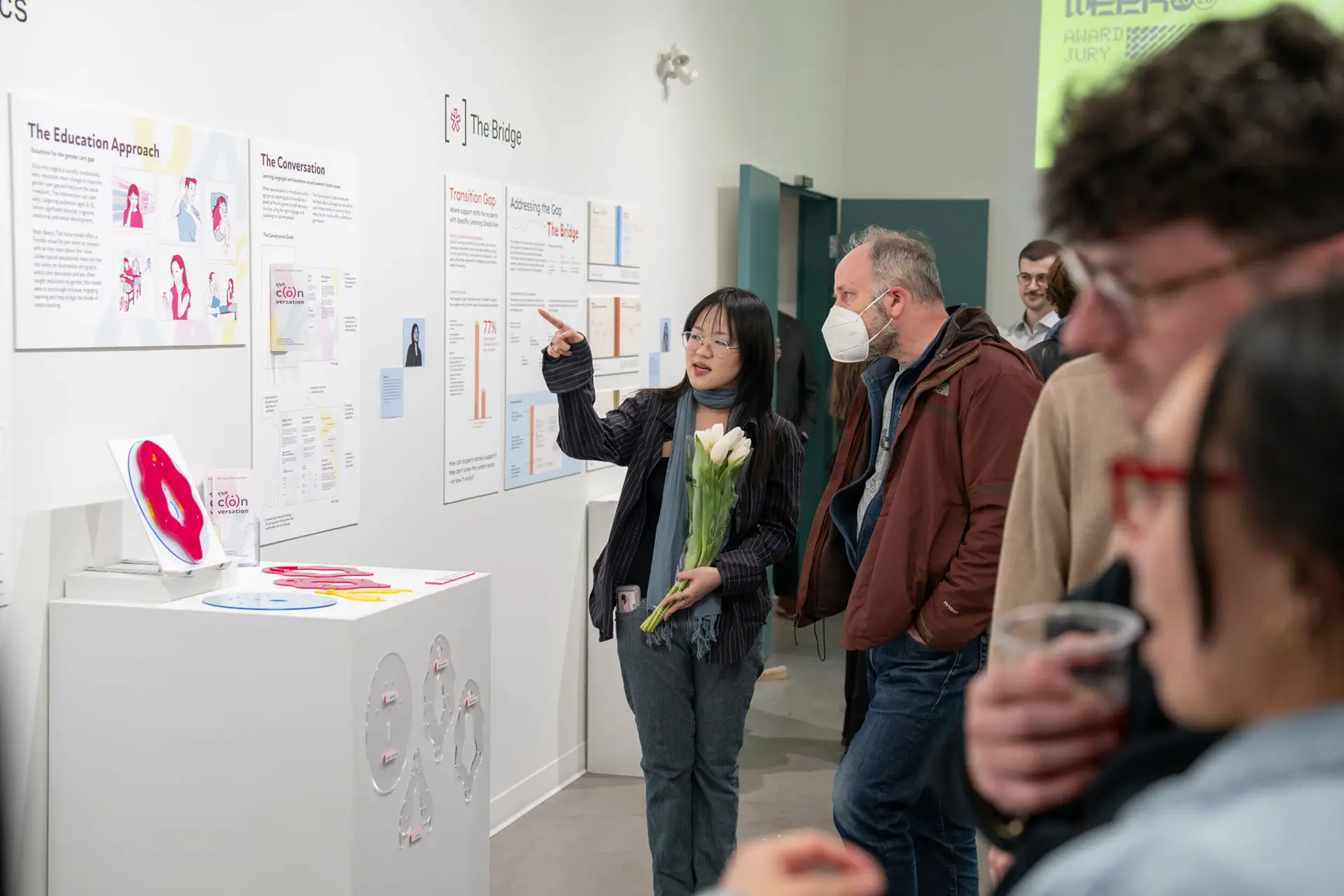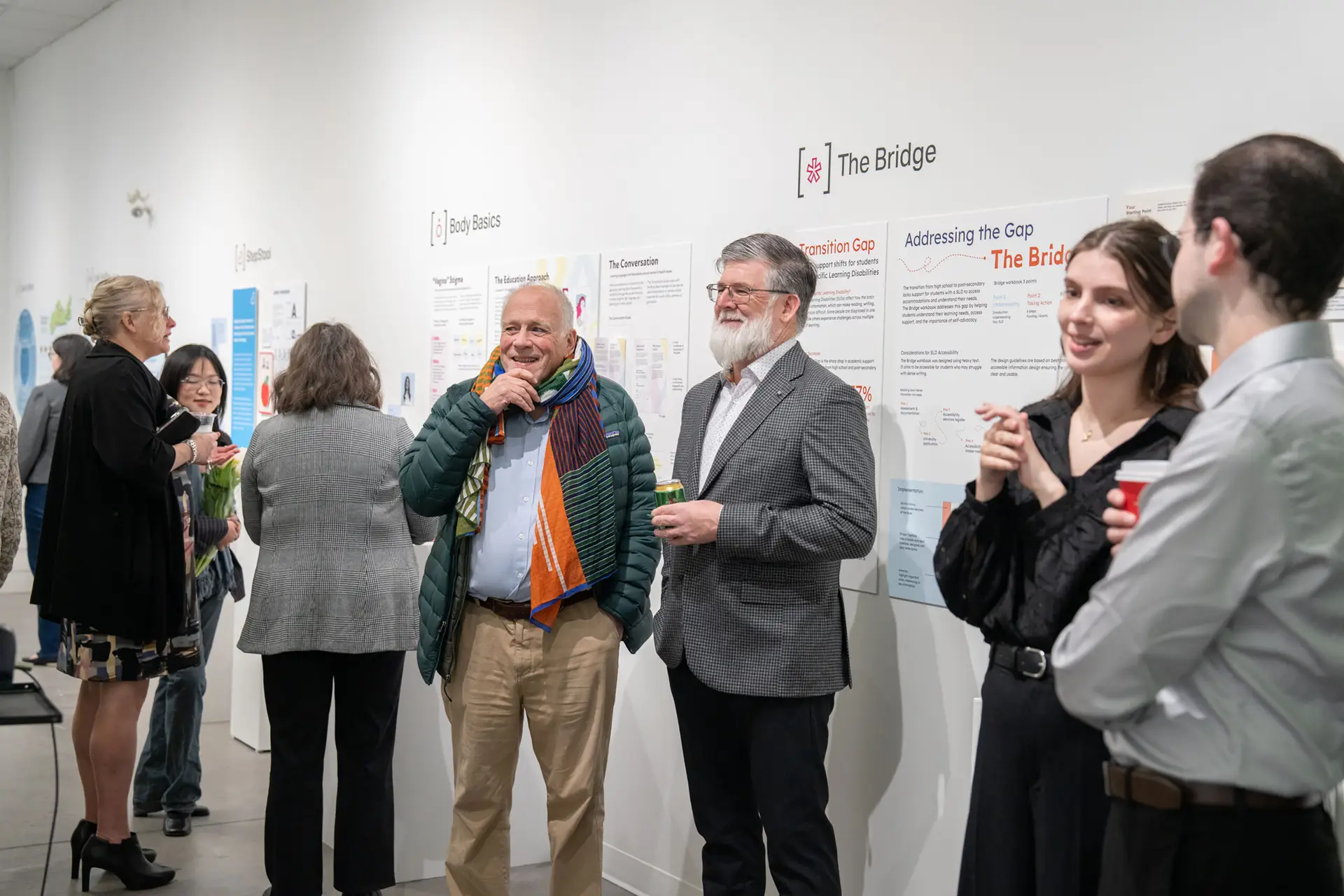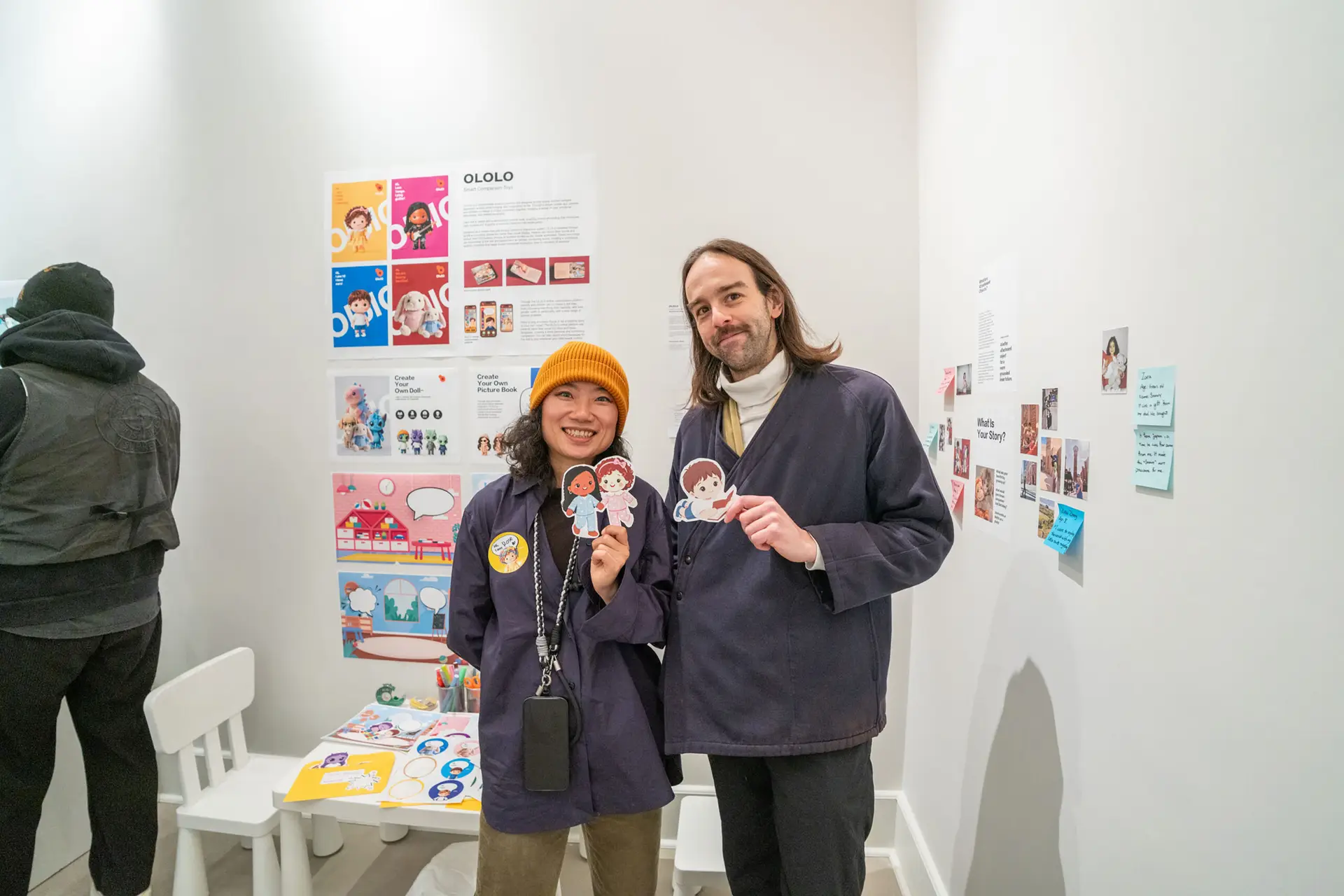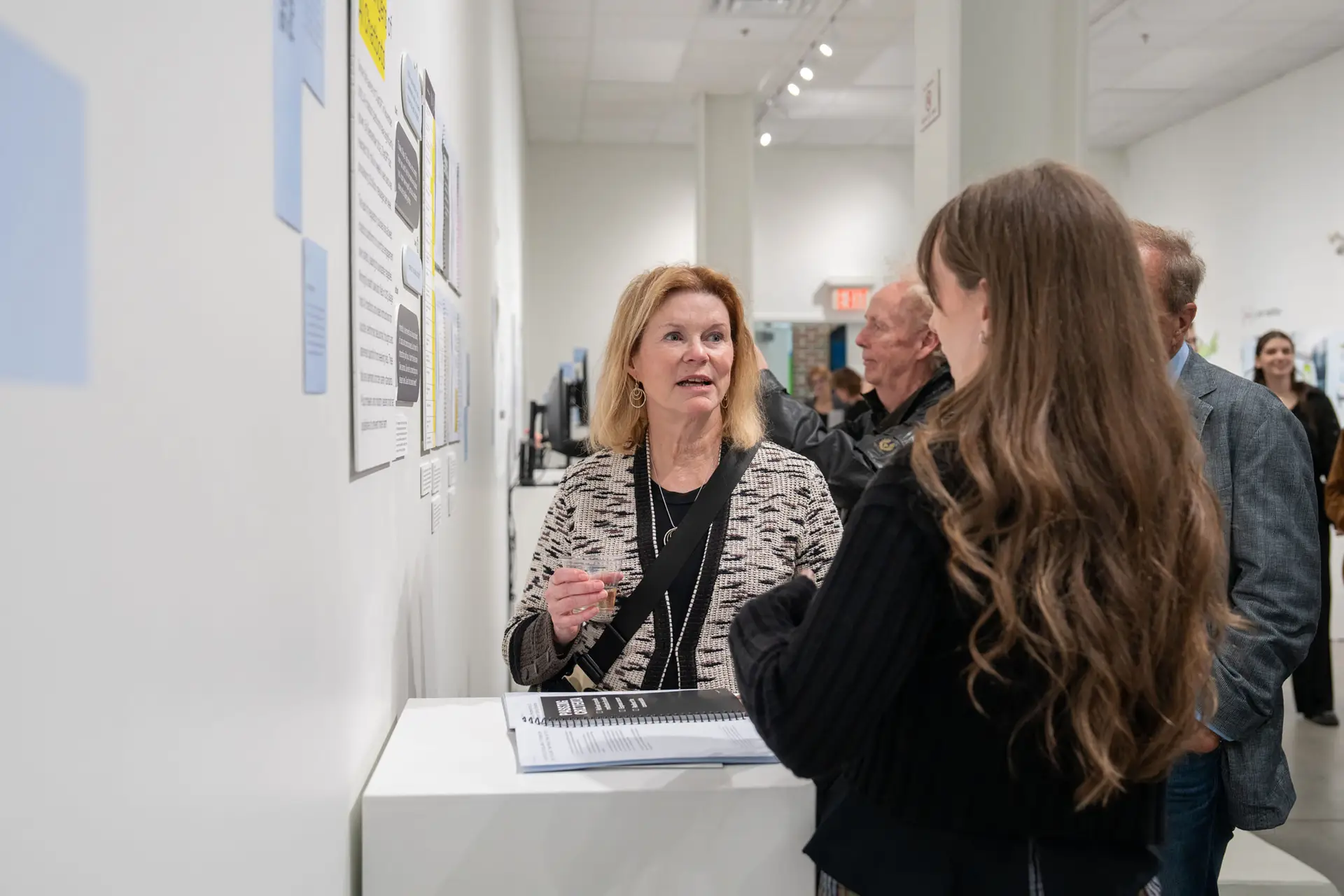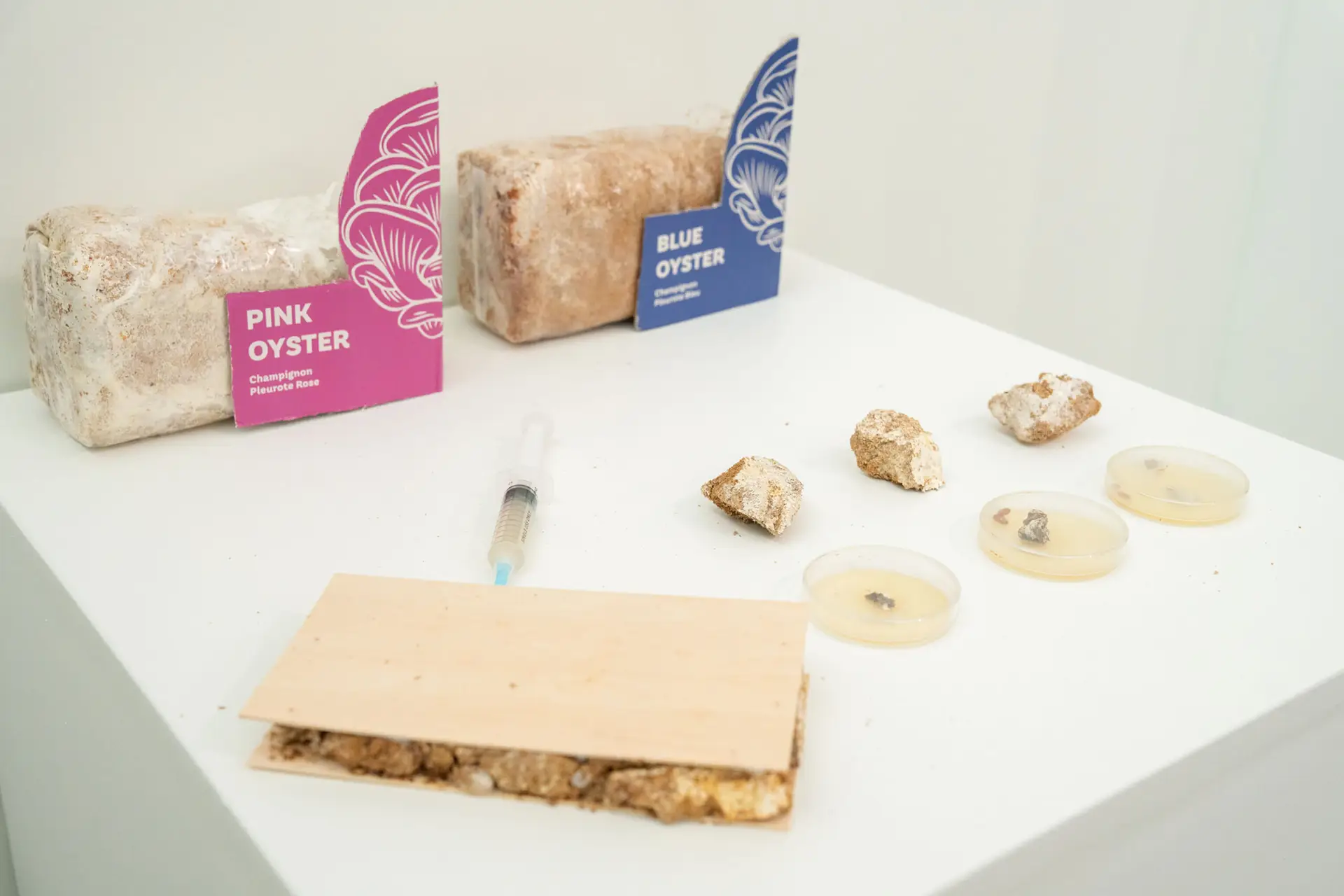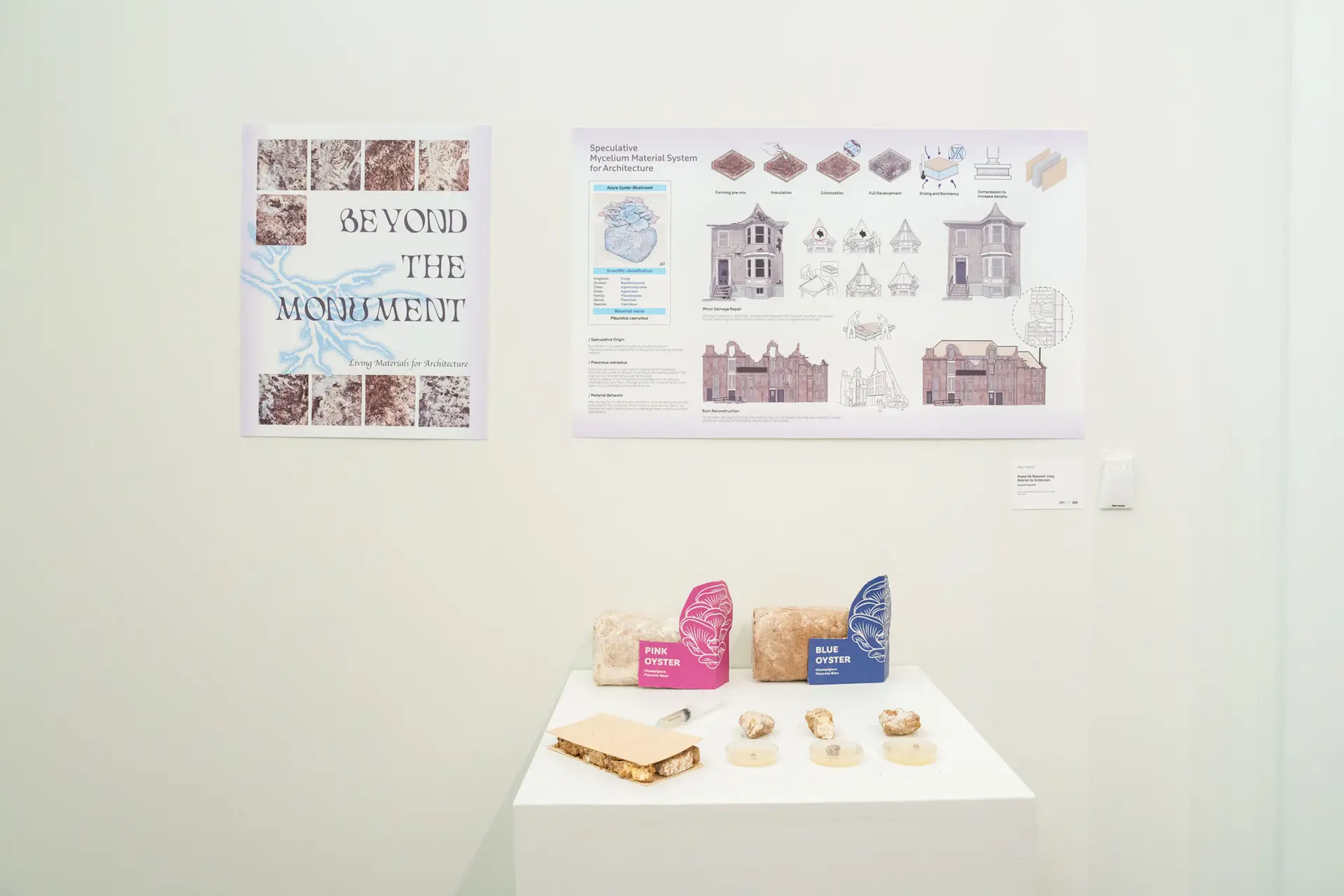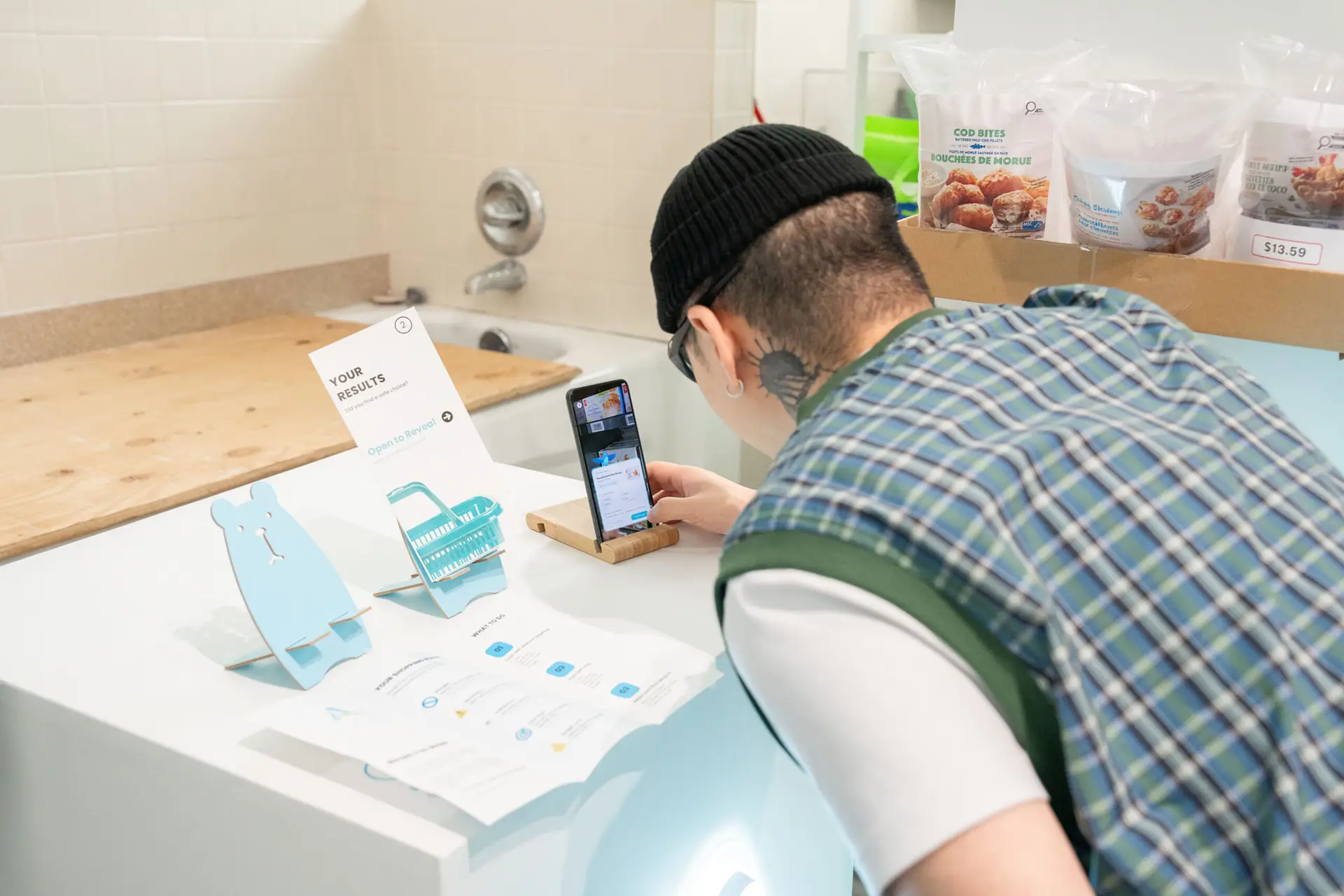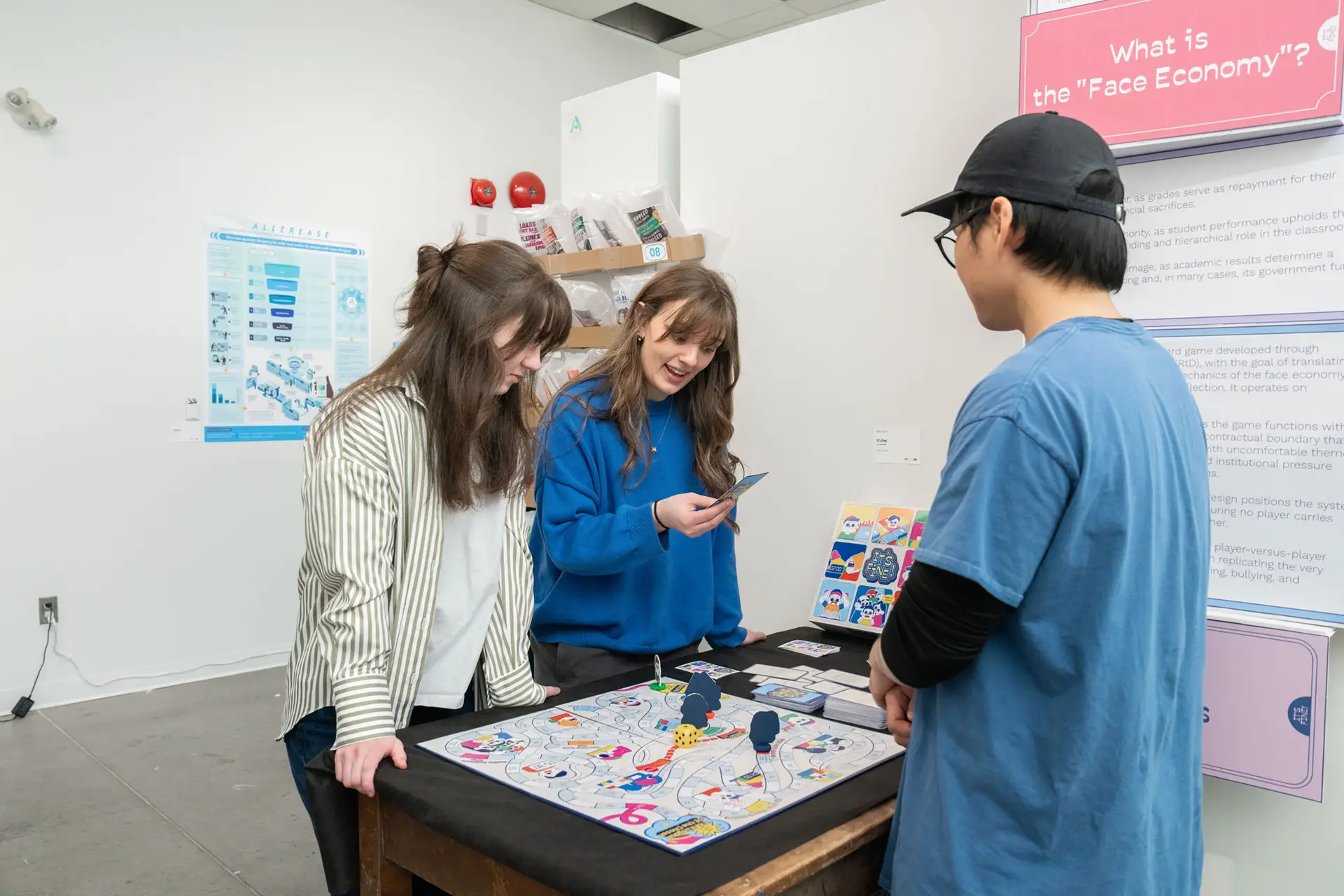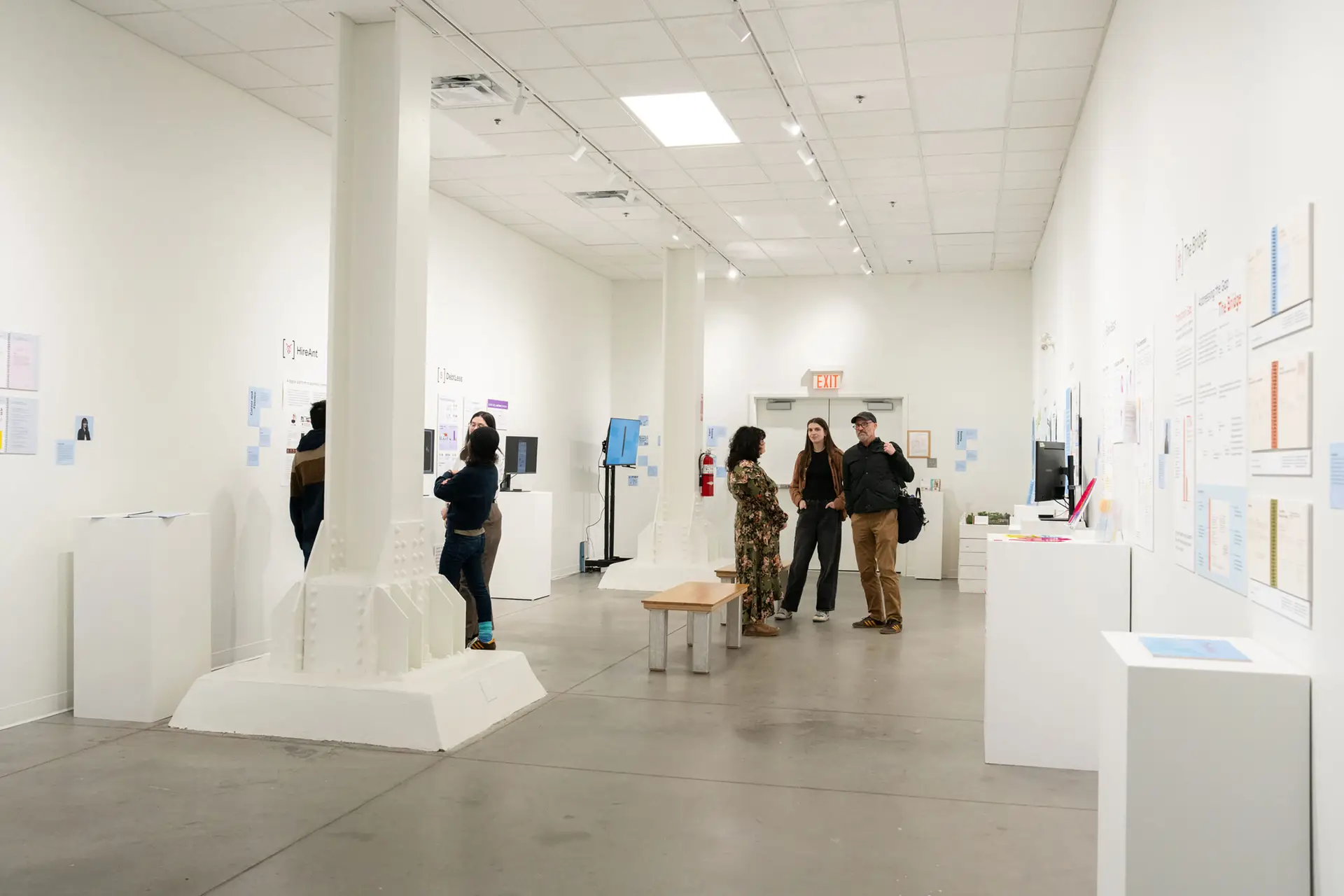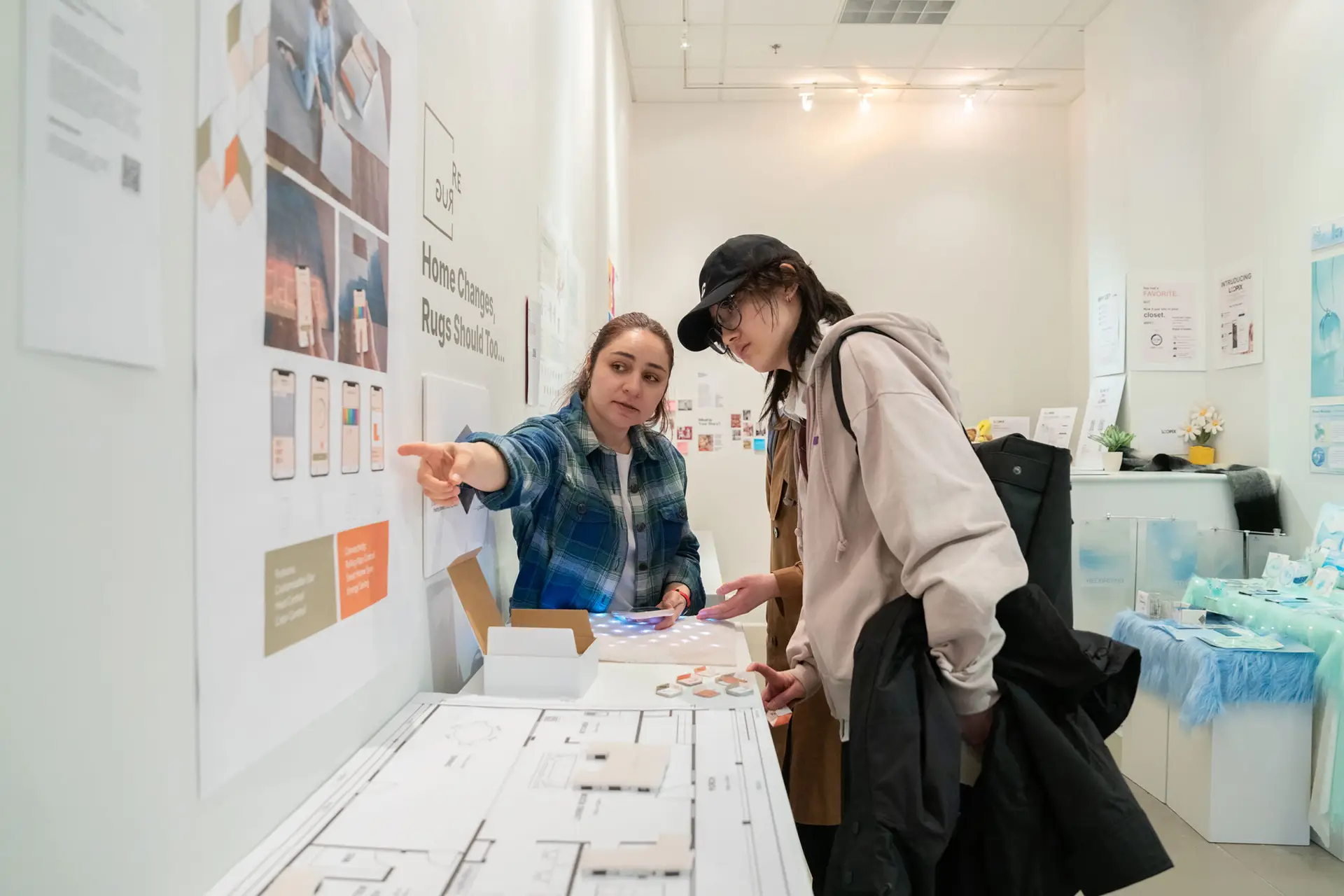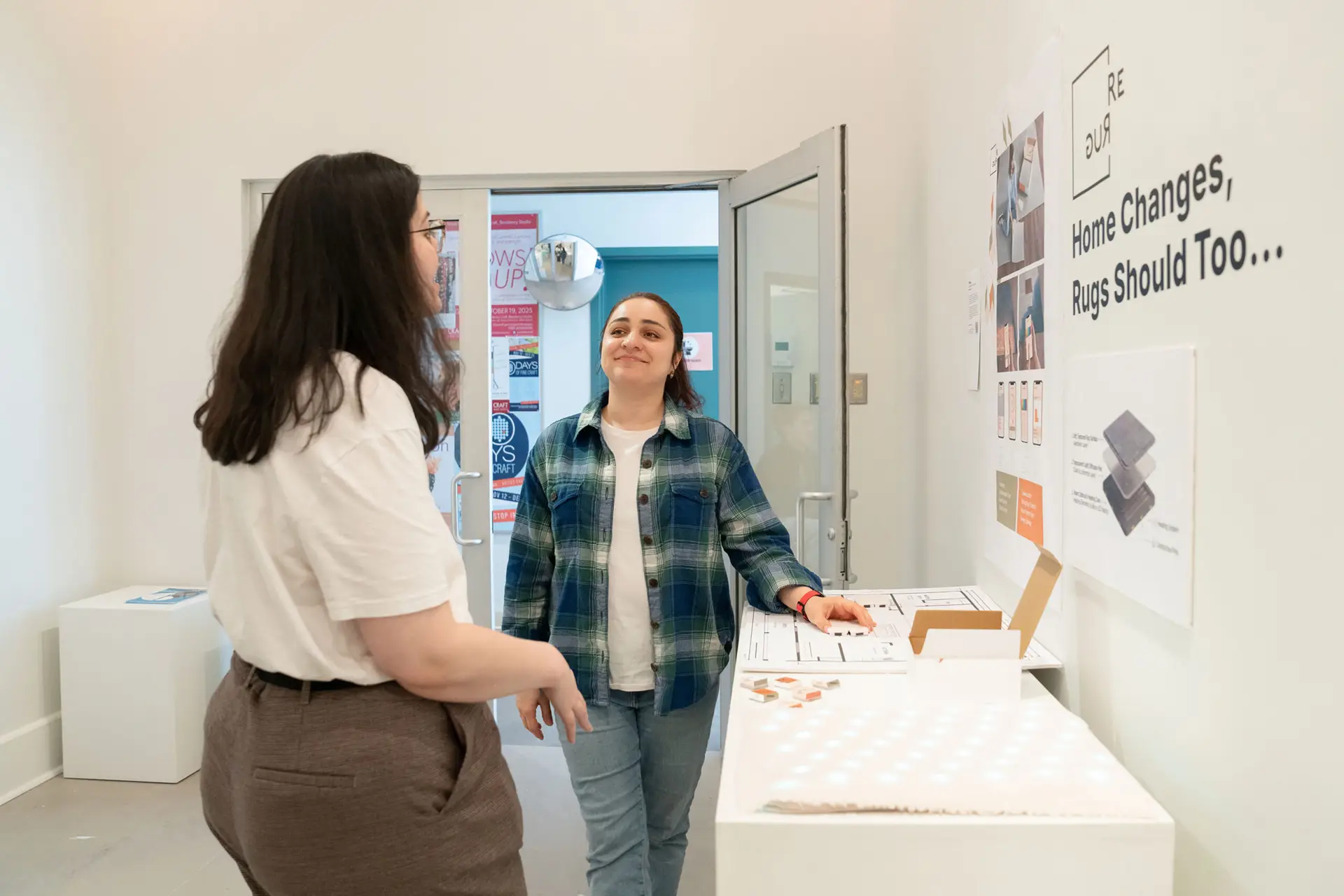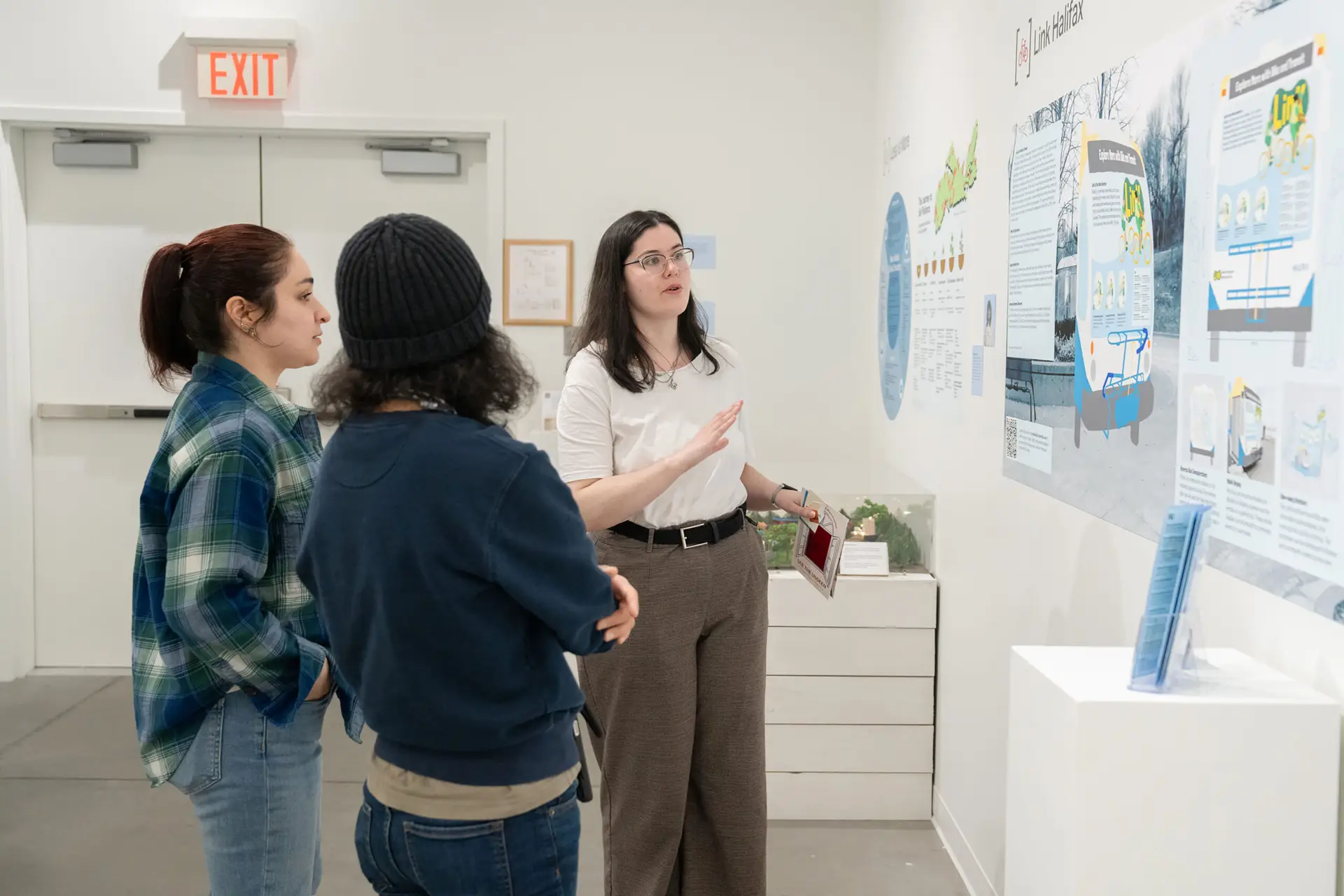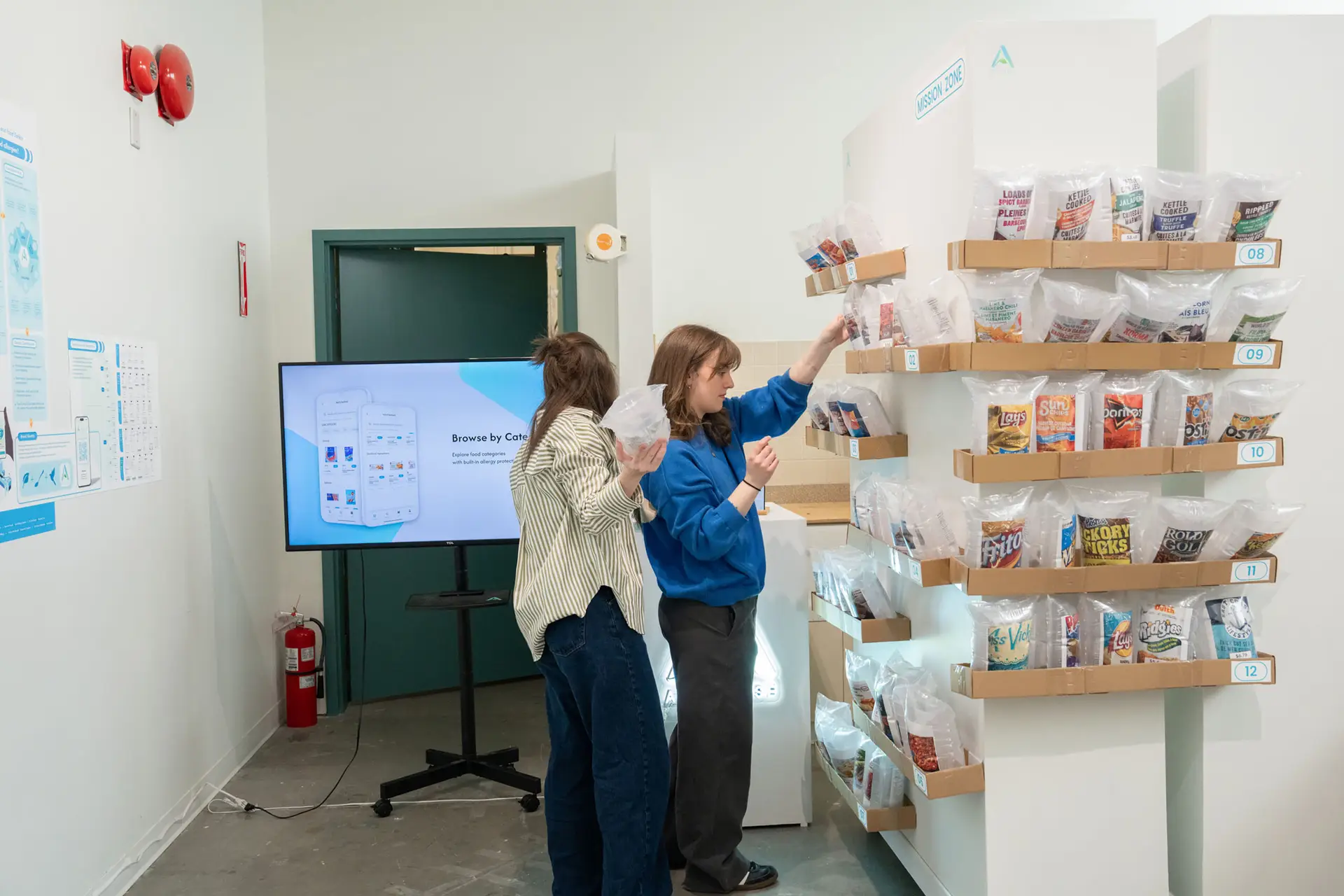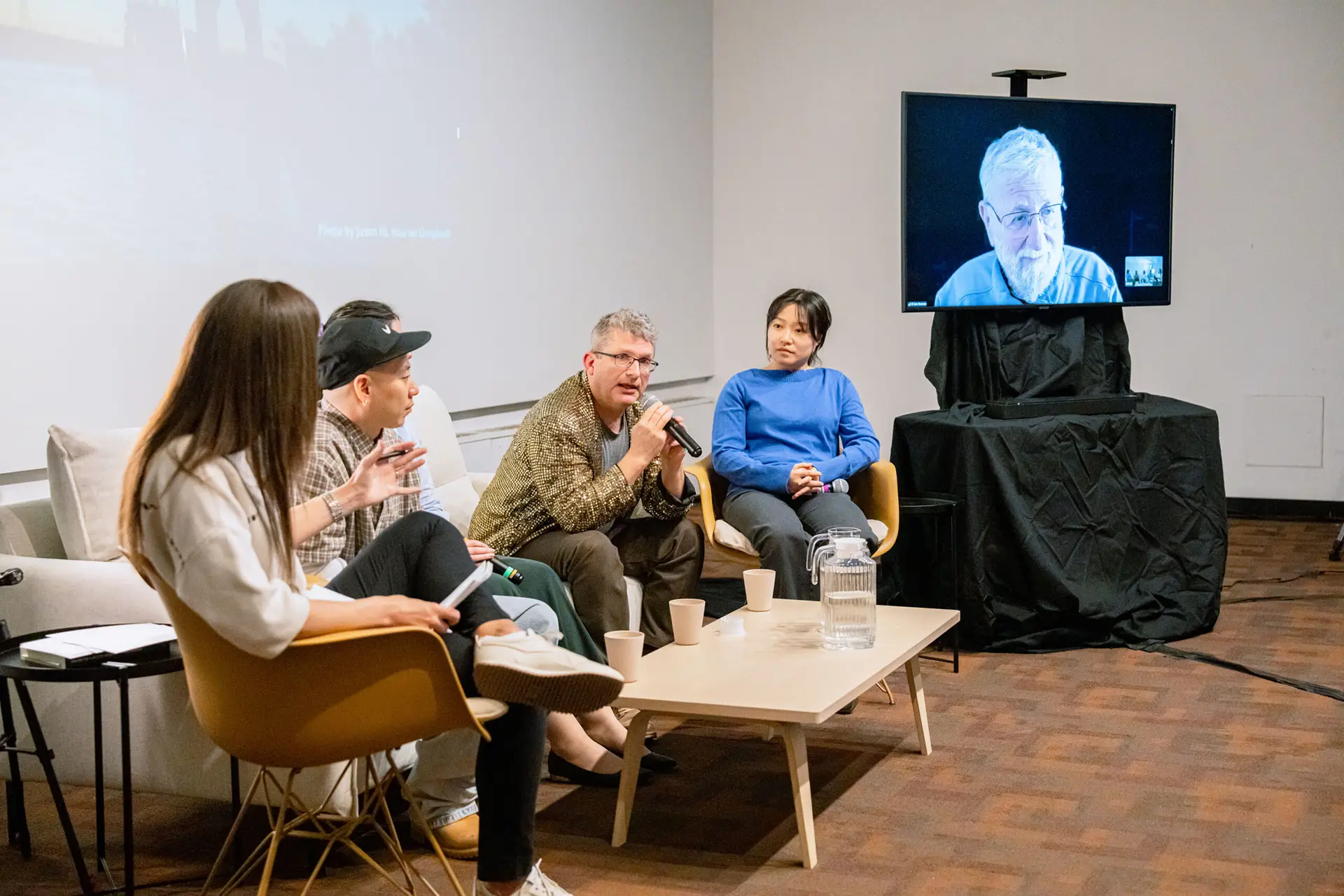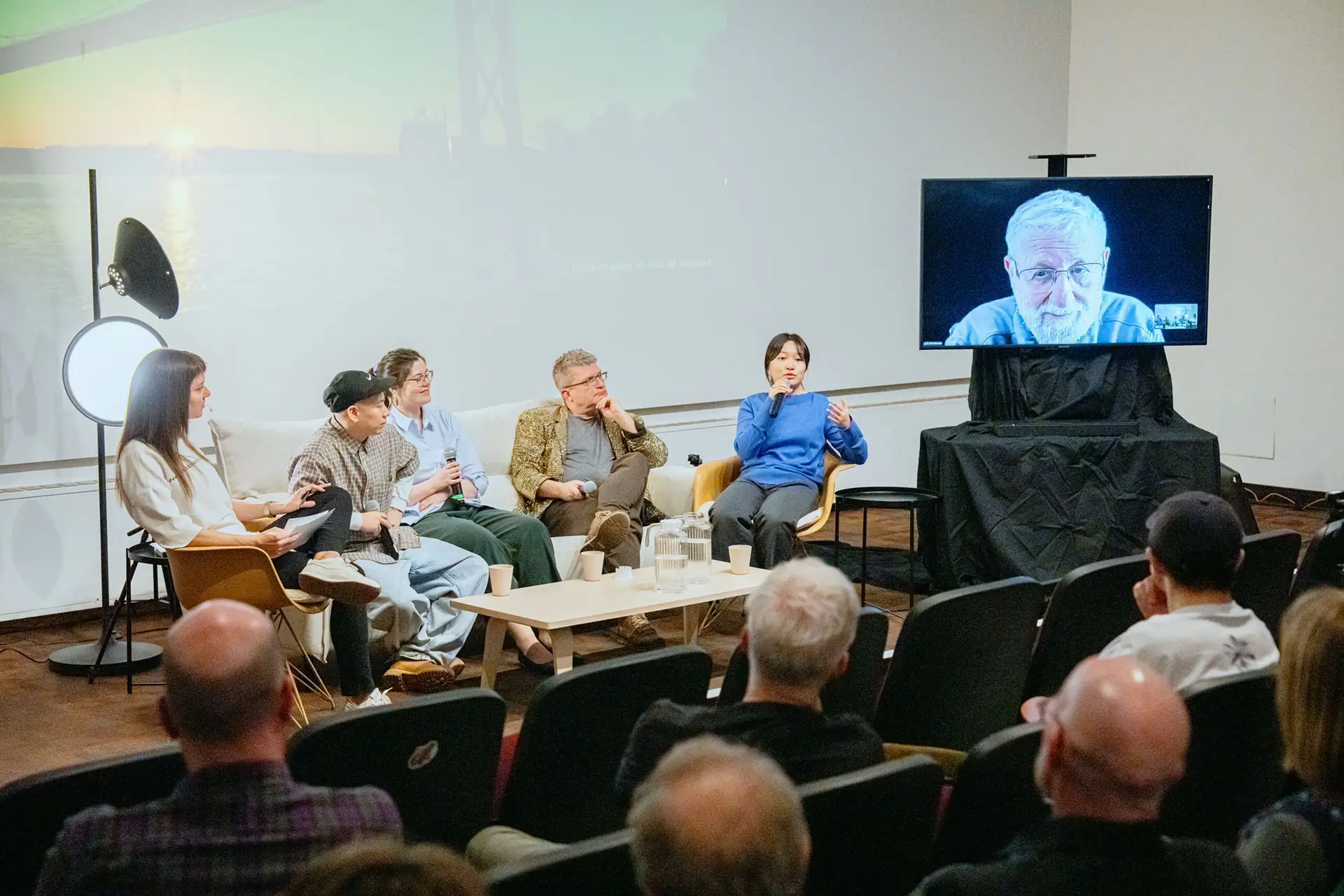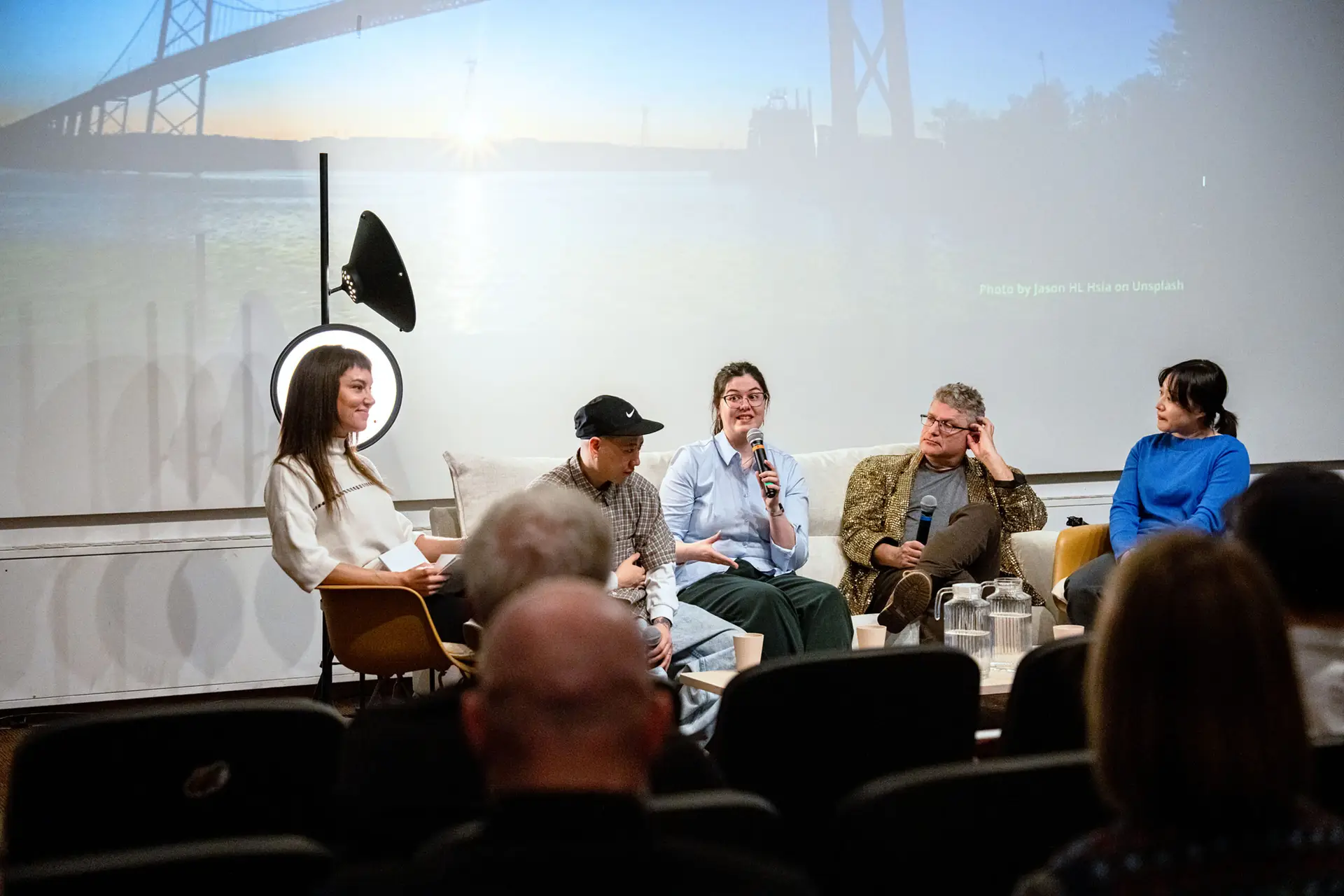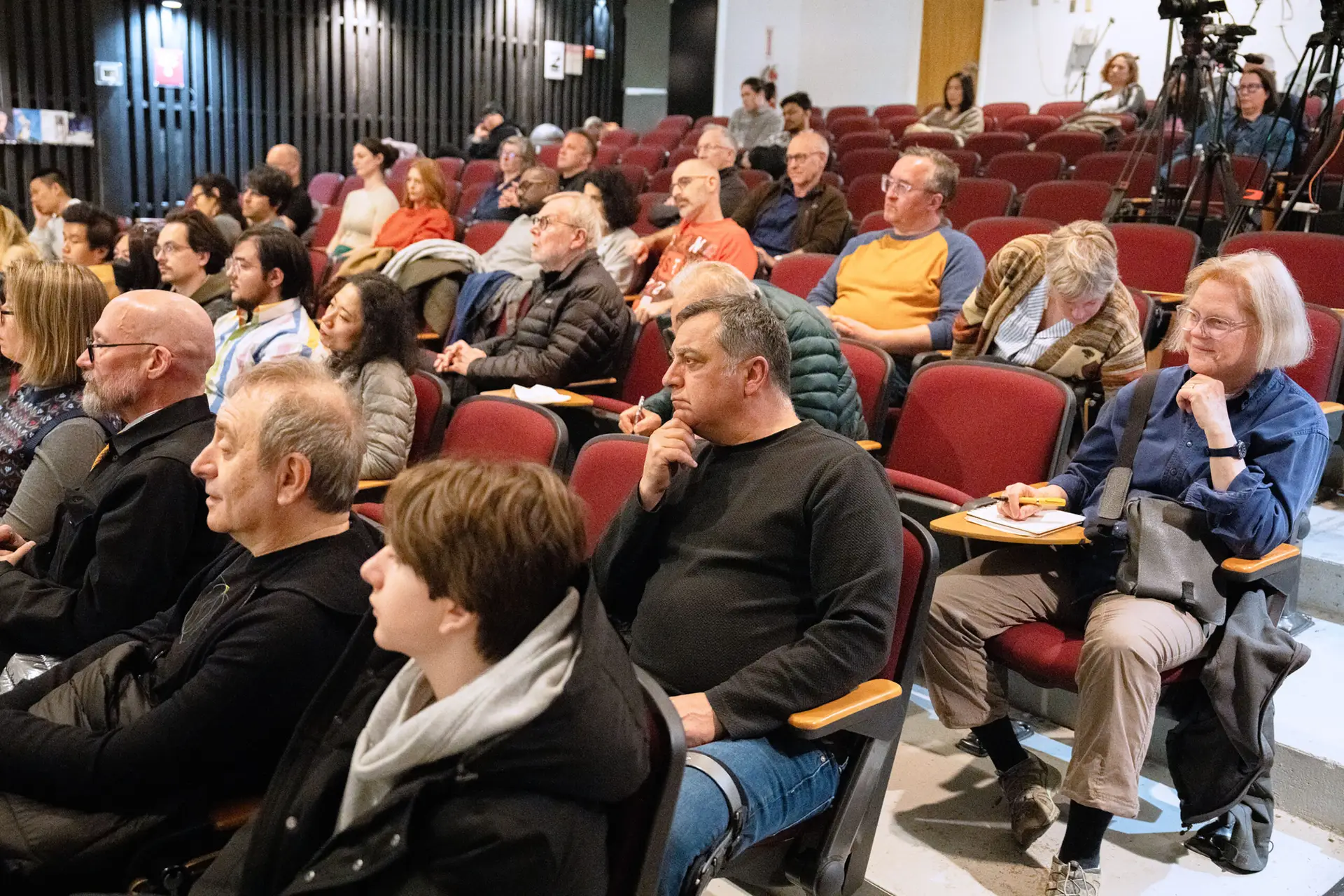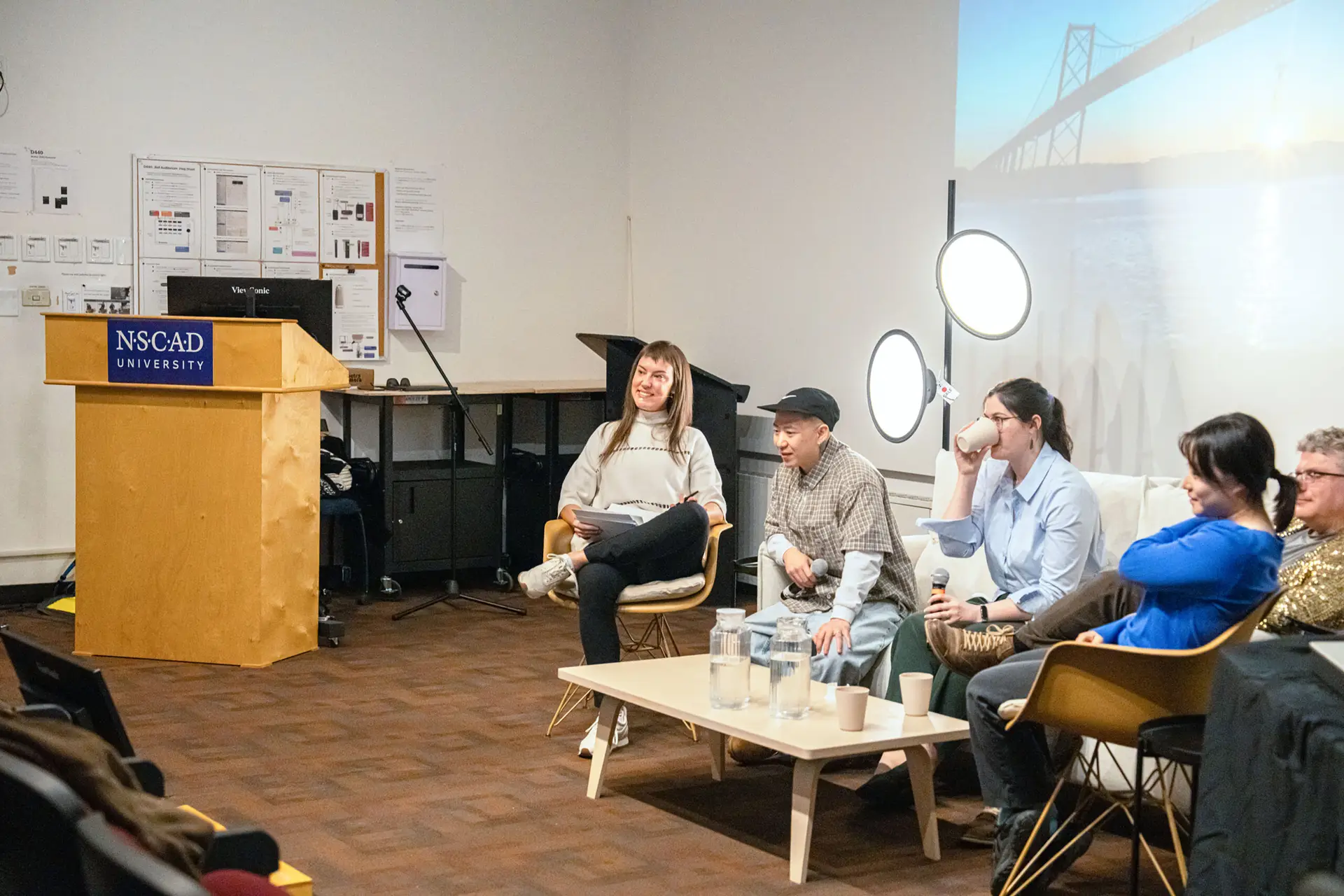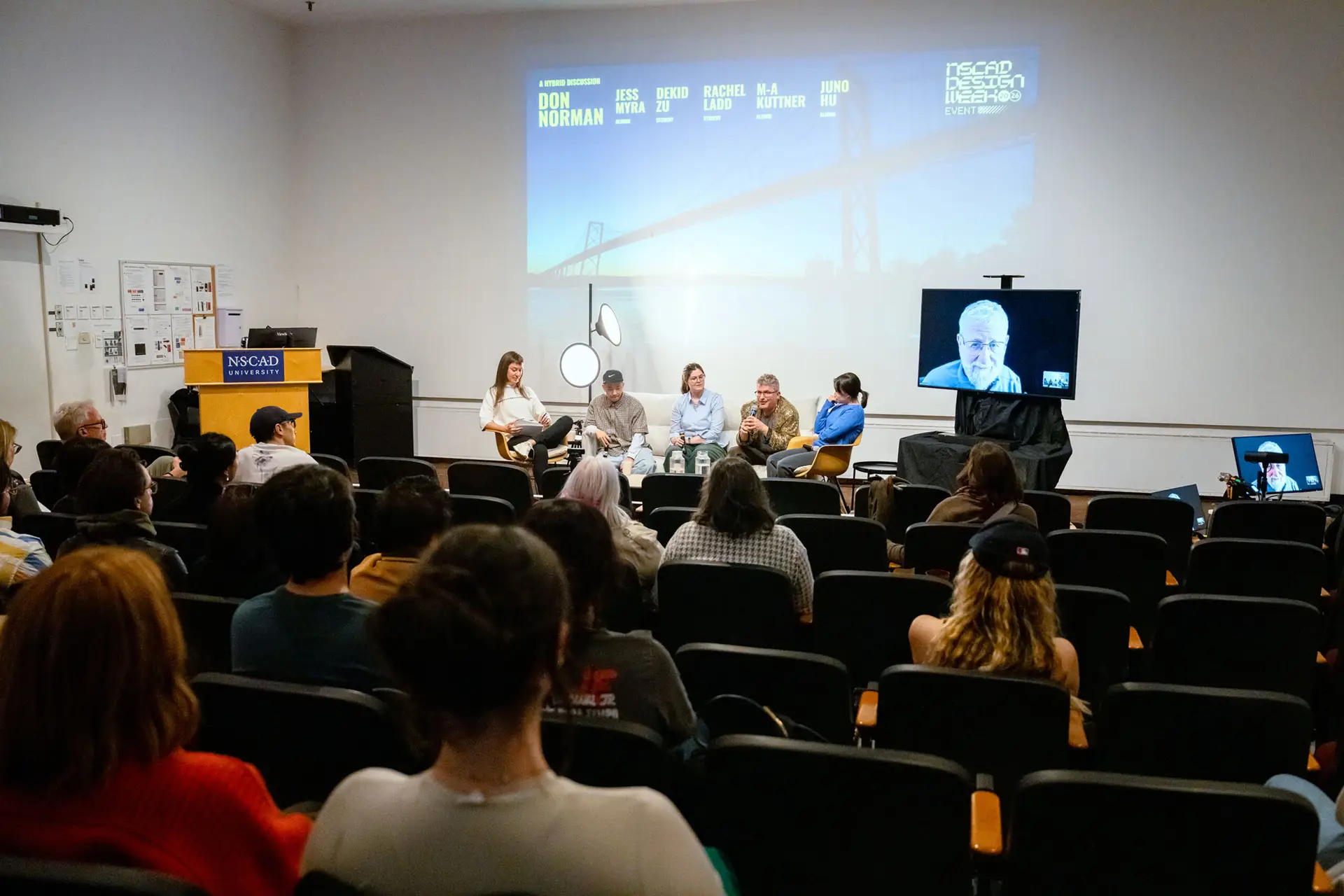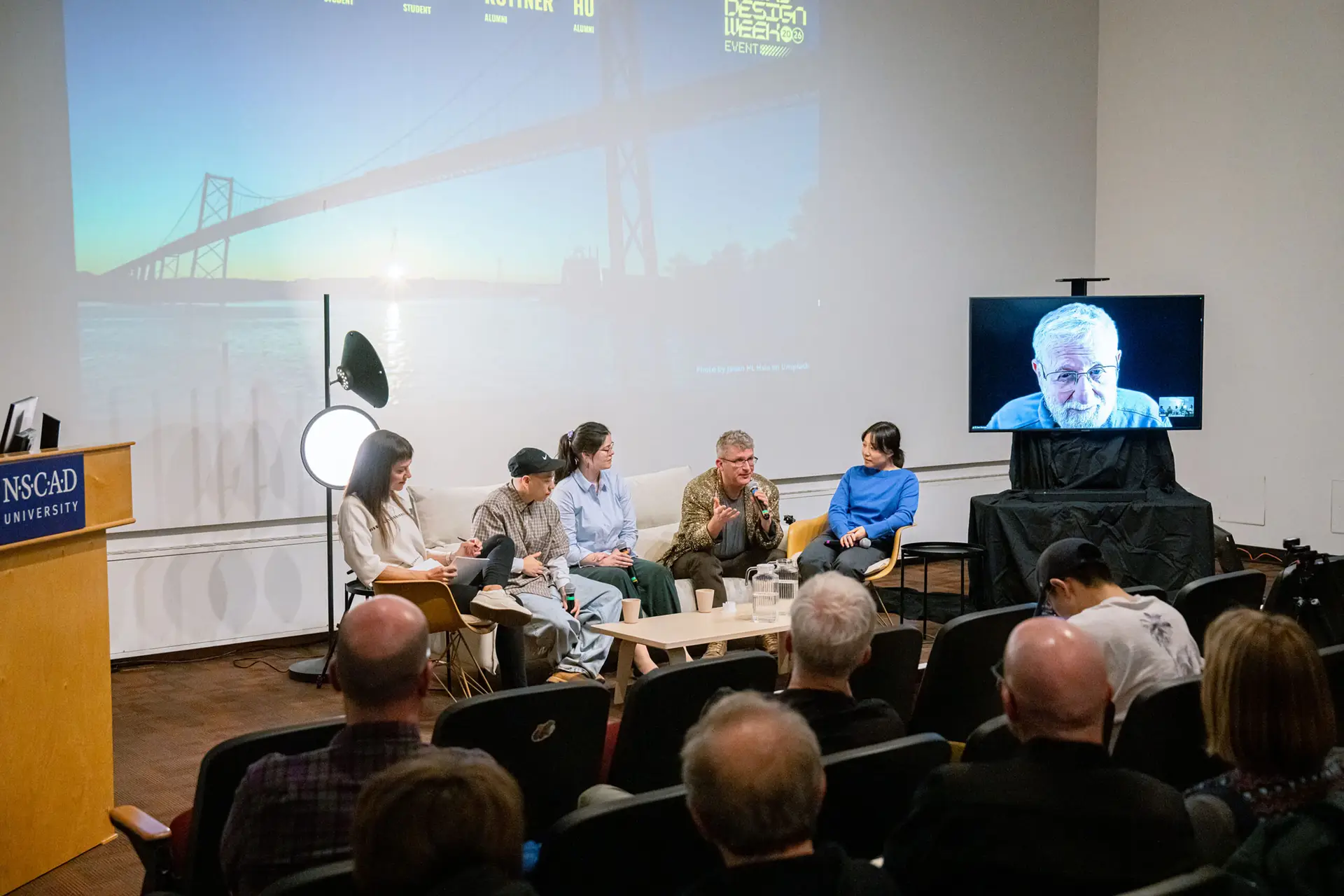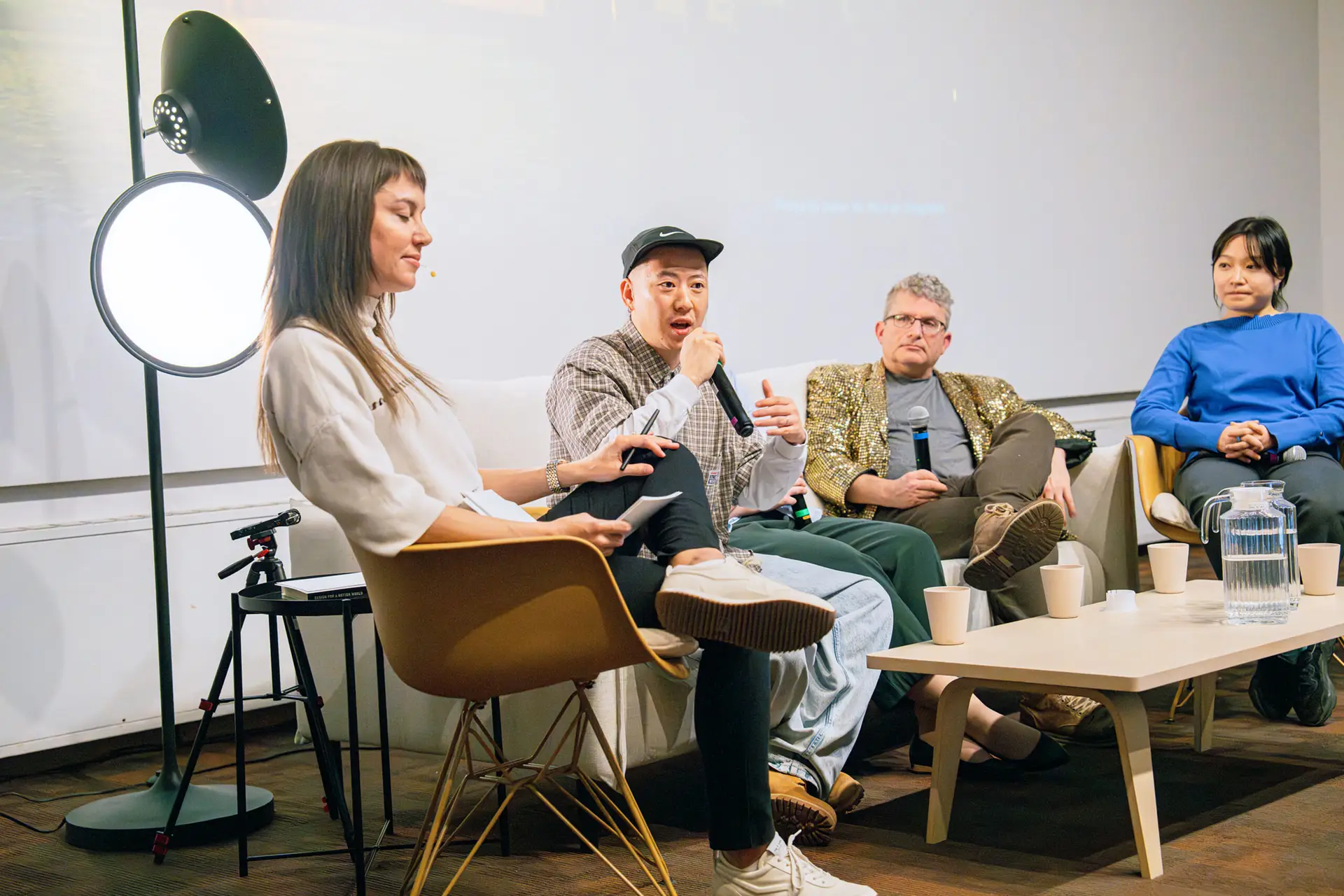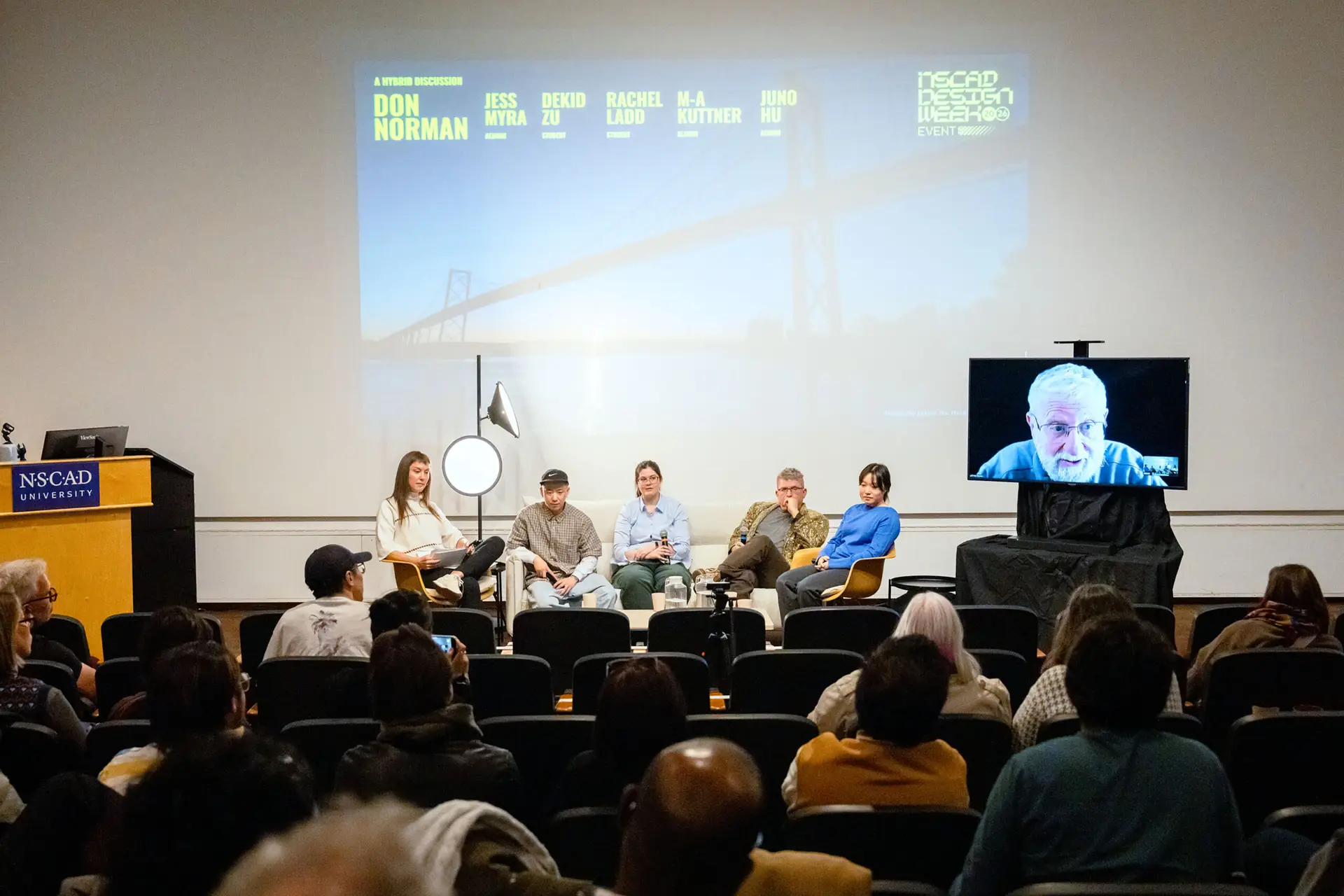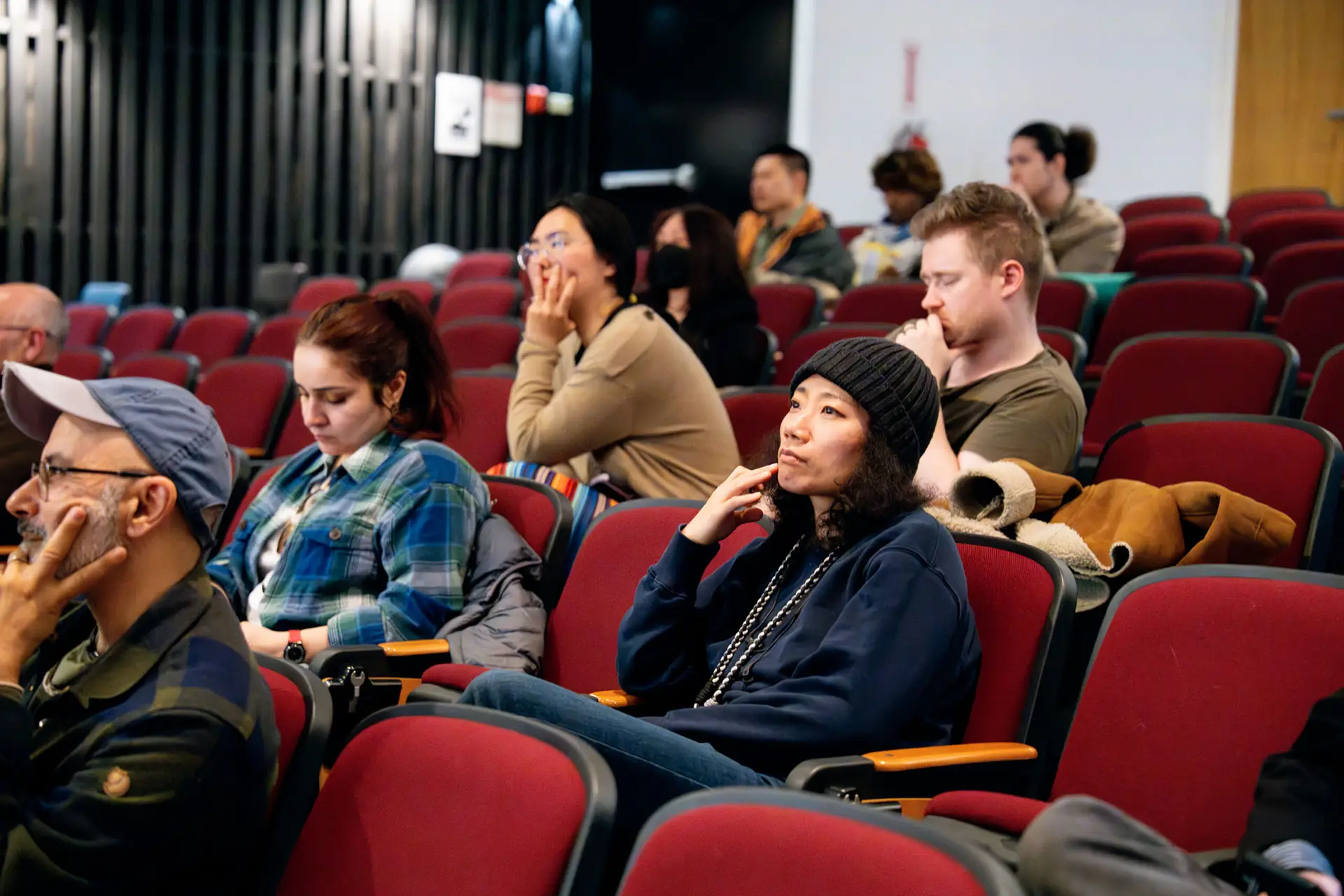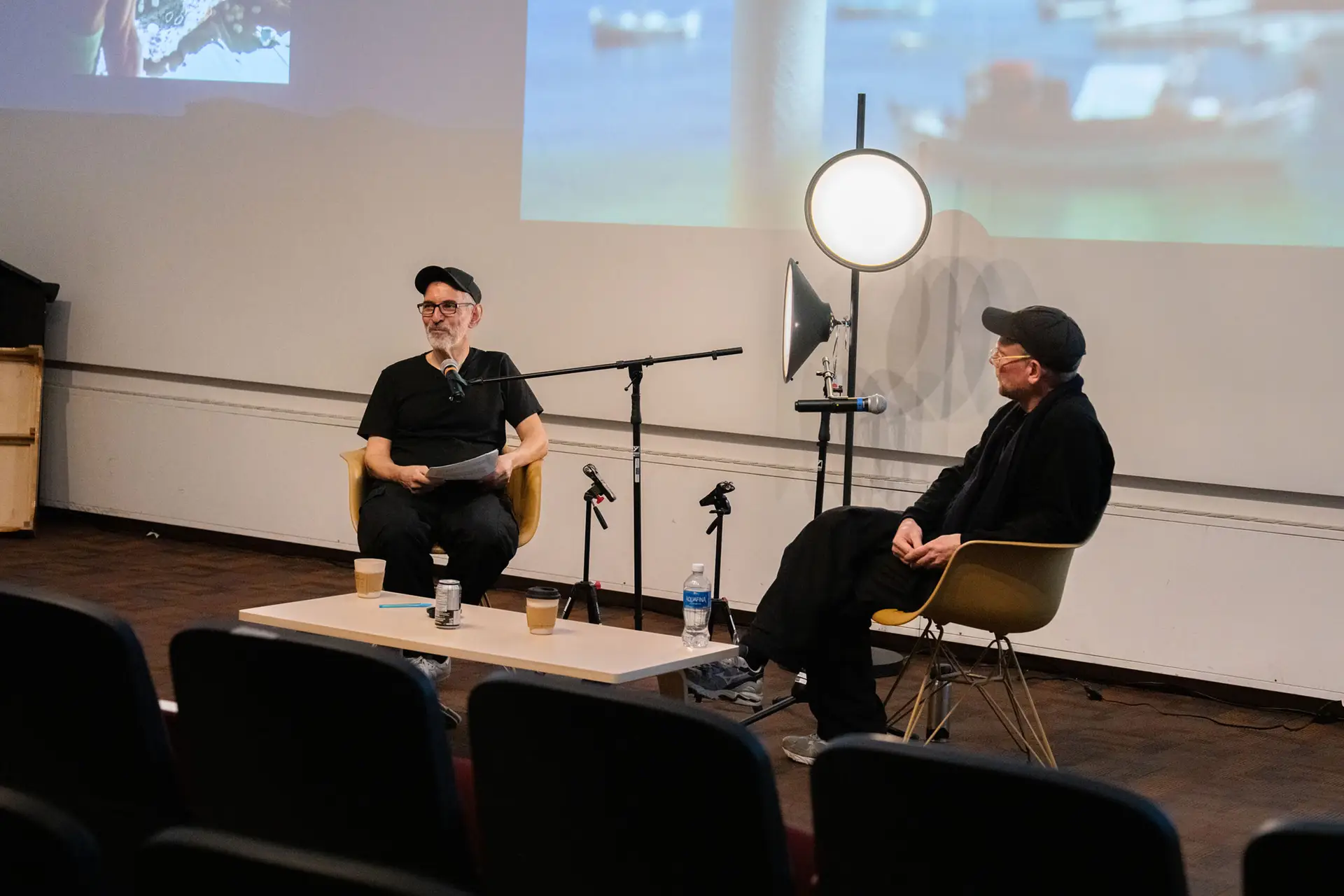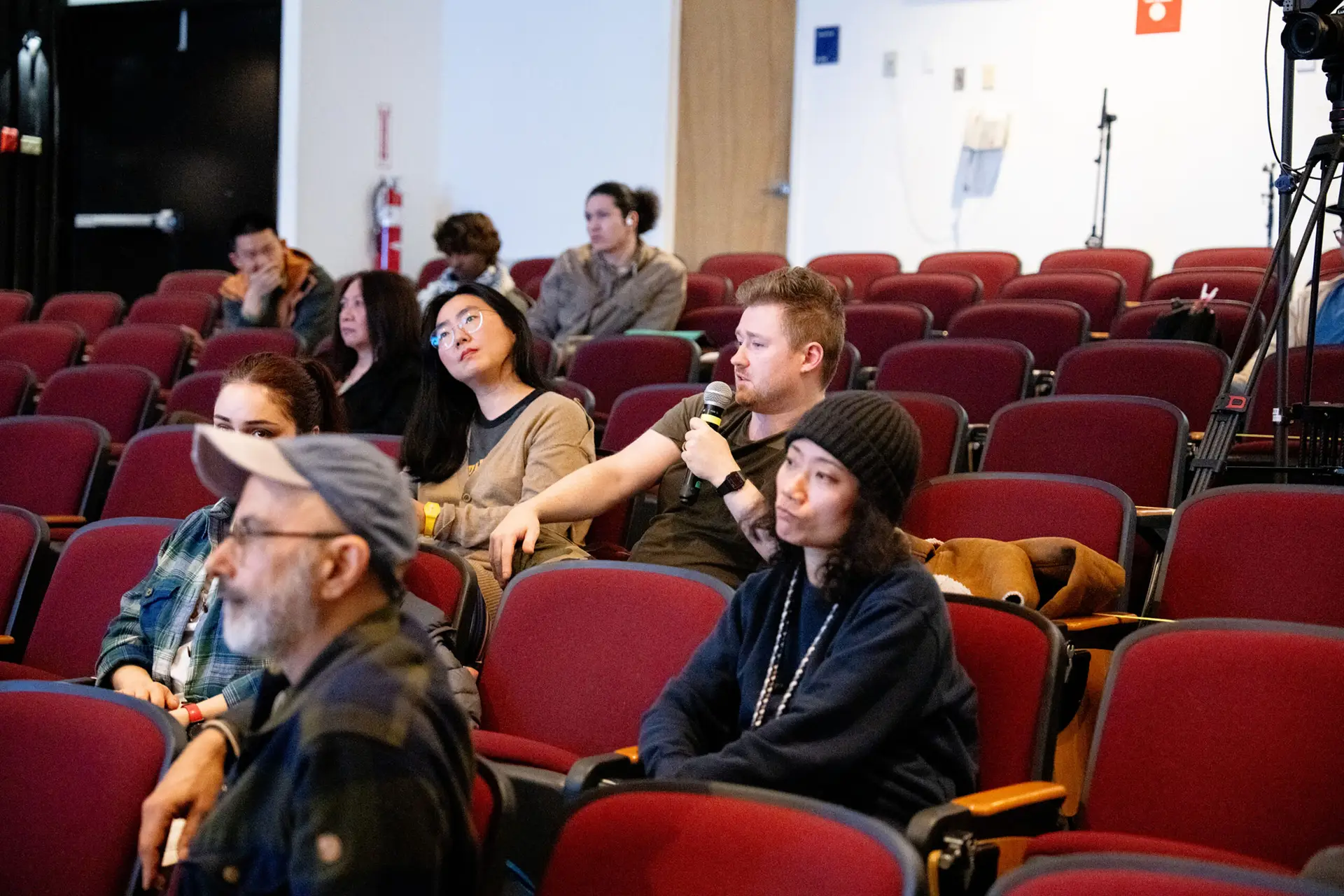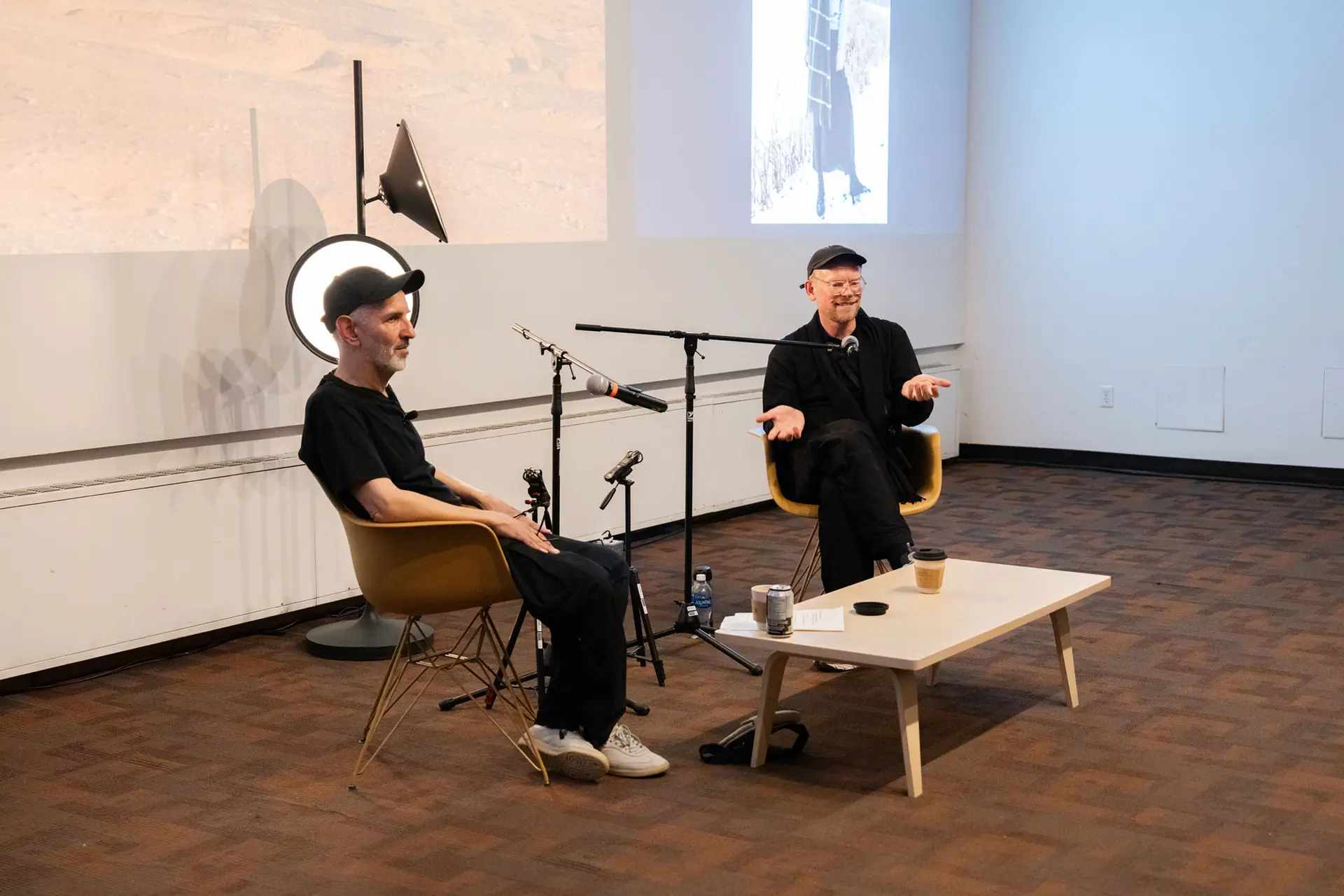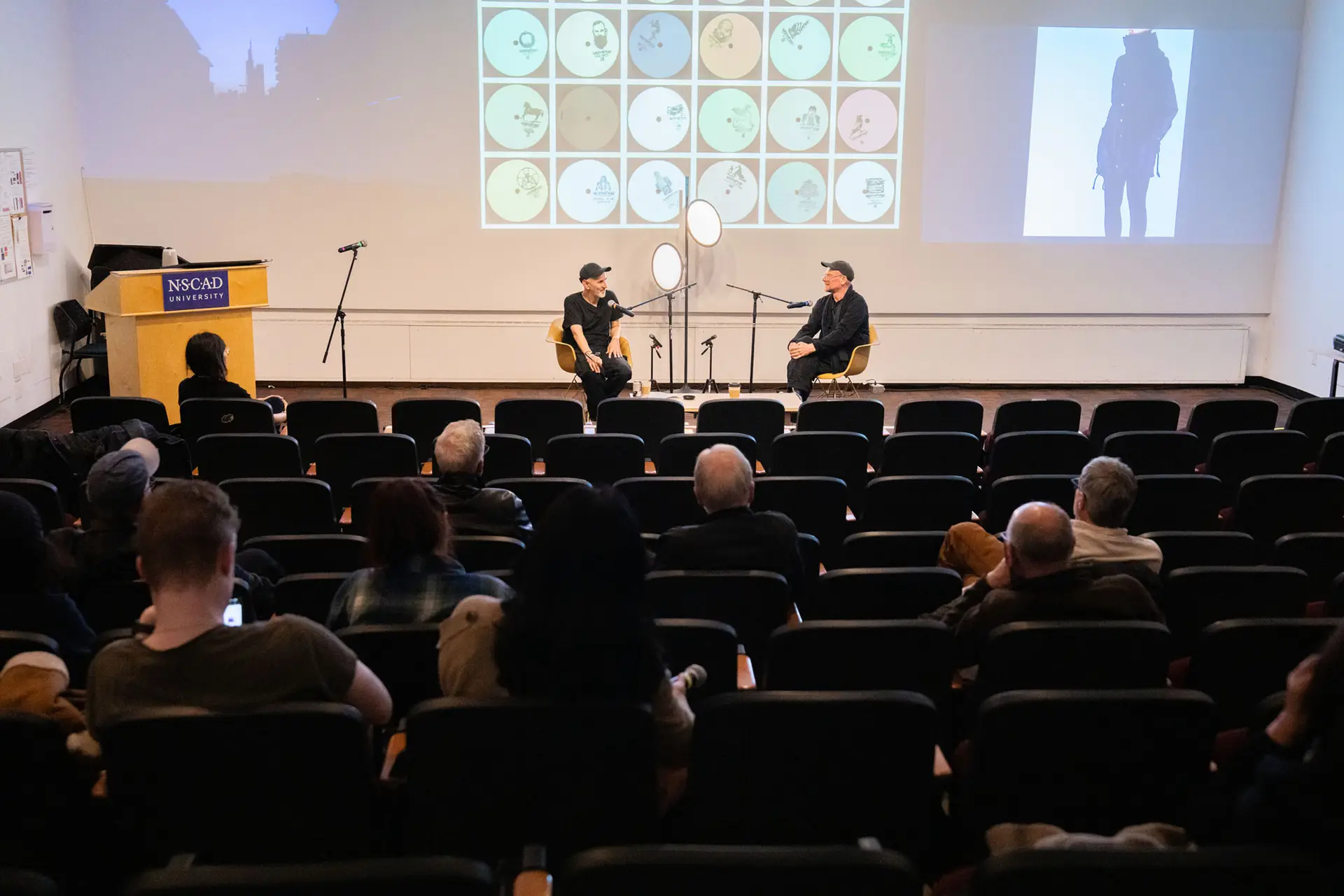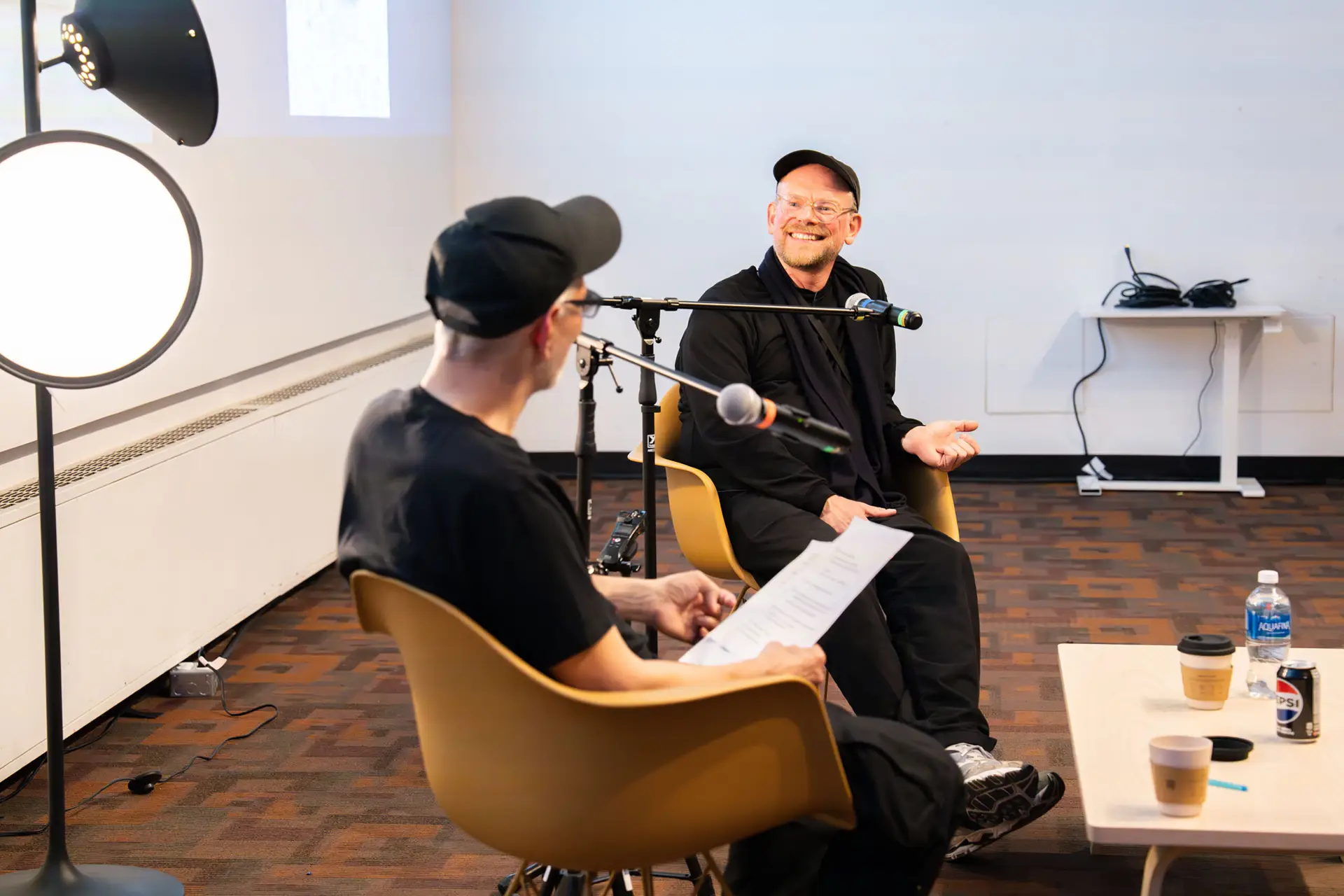

Last week, NSCAD University hosted its first-ever NSCAD Design Week as part of the MAYHEM Year-End Festival. Held from April 27 to April 30, the four-day event not only brought together students, faculty, industry professionals, and international voices, but also signalled a shift in how design is recognized, celebrated, and integrated into the broader creative community.
While NSCAD has long been known as an art school, design has not had that same level of visibility. For Huschang Pourian, assistant professor in interdisciplinary design and organizer of the event, NSCAD Design Week was both a cultural shift and a strategic move to strengthen NSCAD’s standing as an art and design institution.
“The first motivation for NSCAD Design Week was to make NSCAD visible as a hub for design expertise in the region,” Pourian explained. “The second goal is to create conversation among faculty, students, and—most importantly—industry, because we must learn what they expect from our students. Thirdly, we wanted to bring in as much external influence as possible to trigger inspiration and innovation.”
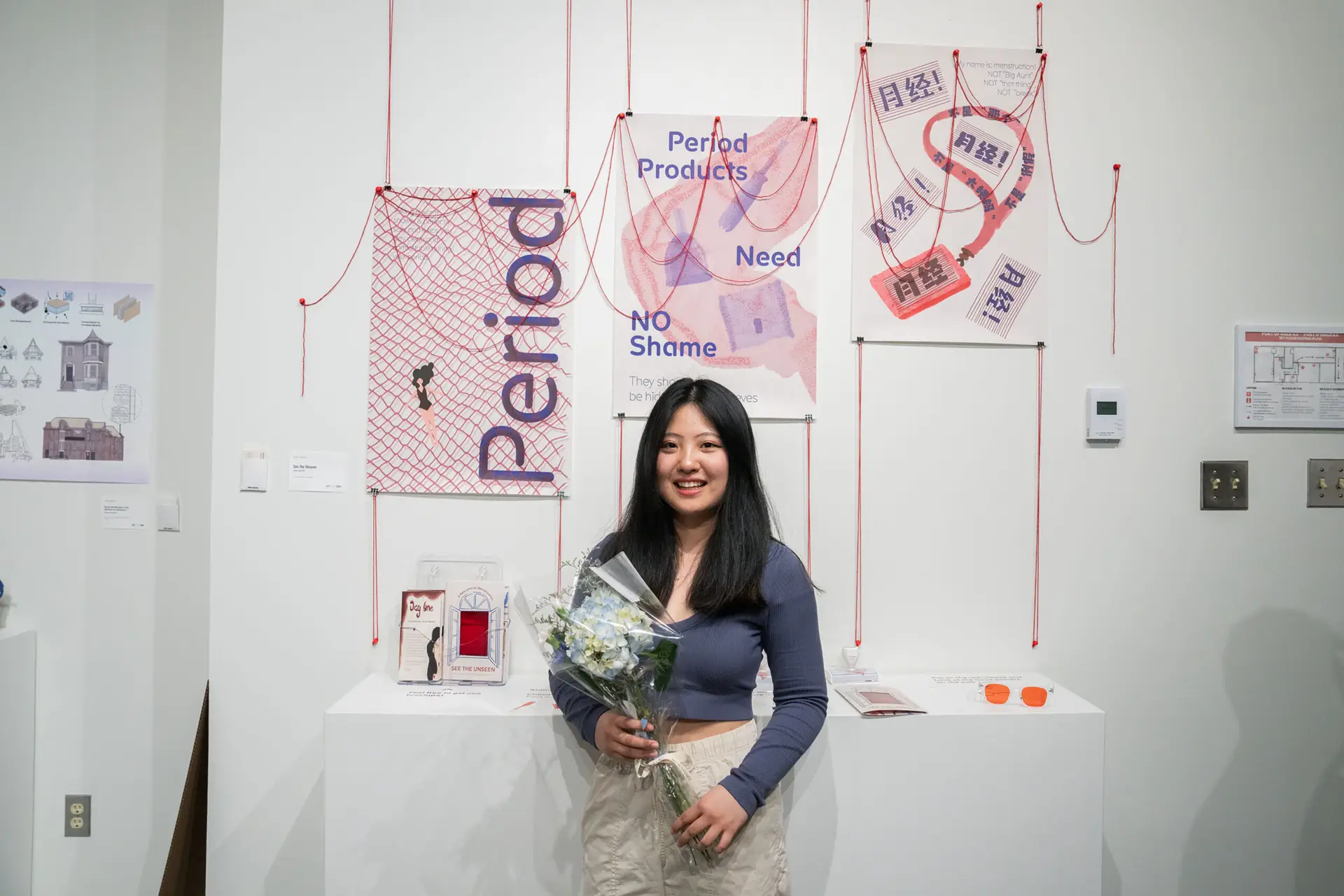
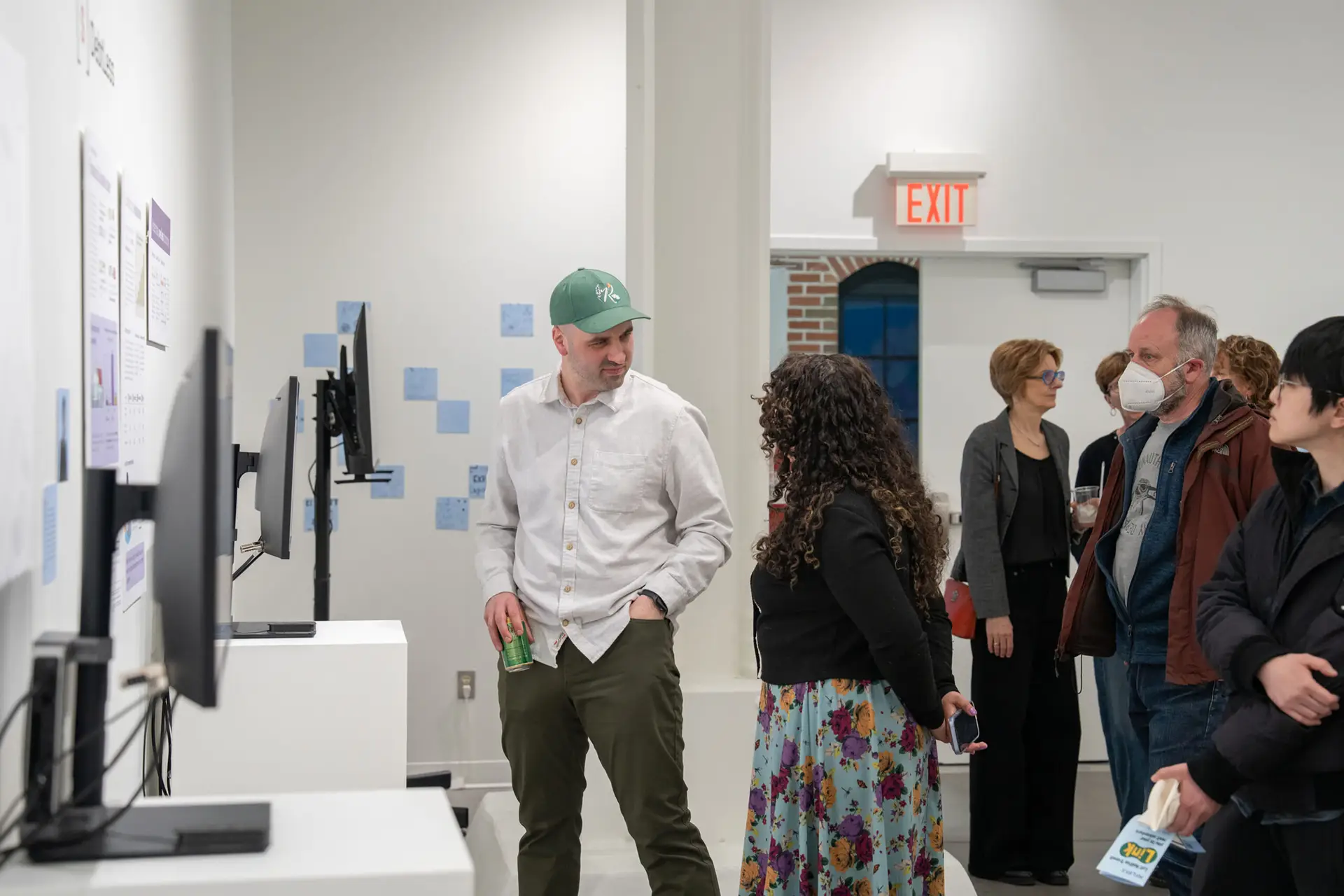
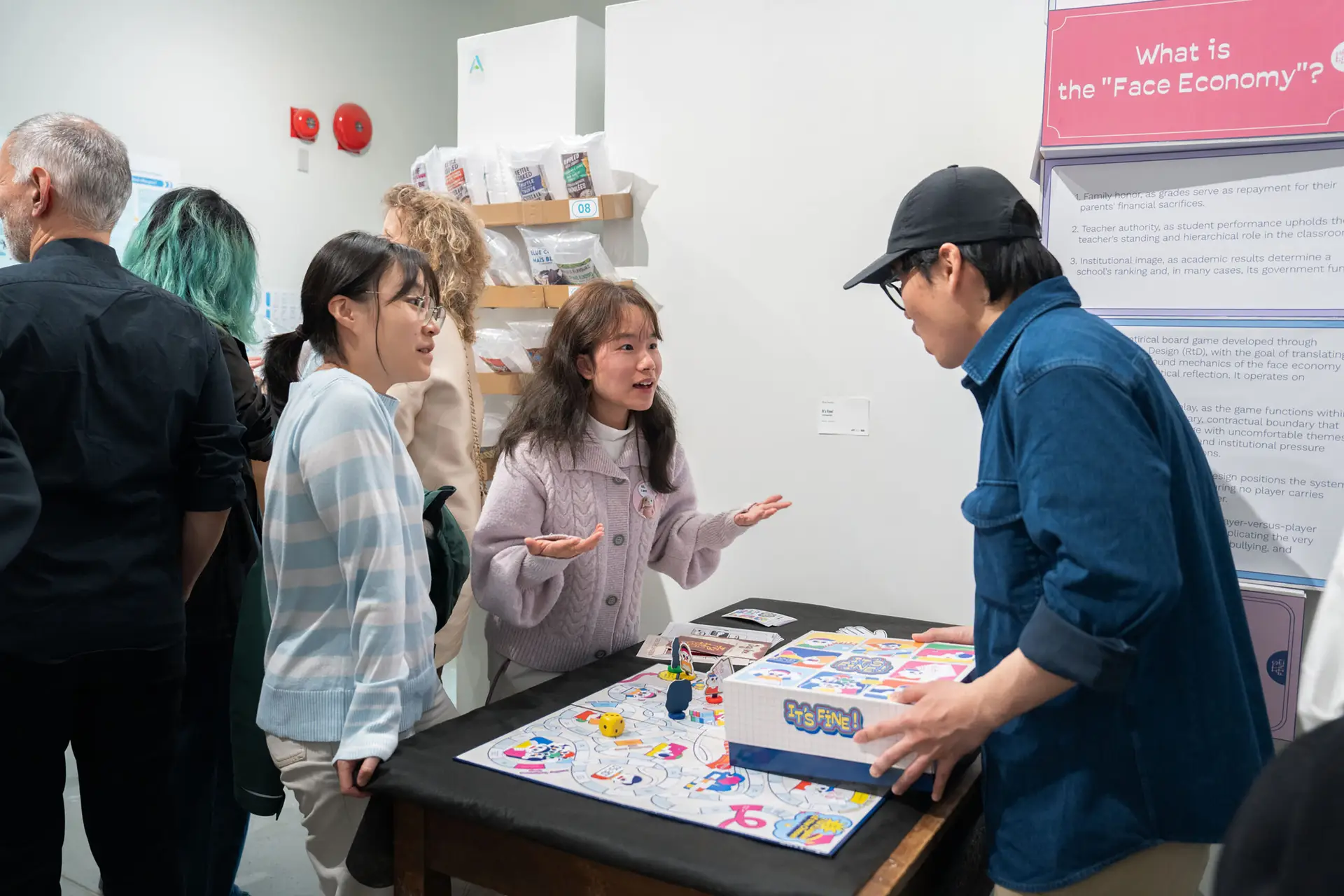
What began as an idea quickly gained momentum and evolved into a dynamic, multi-day program of exhibitions, industry talks, and even a DJ performance. Students and alumni used the opportunity to showcase their work, connect with industry leaders, and engage with a broader audience about the future of design.
DESIGN SHIFT AWARDS
At the centre of NSCAD Design Week was the Design Shift Awards, presented by Verecan. With the theme, “future forward design” participants were challenged to submit projects that reflect the role of design in a rapidly evolving technological and social landscape.
“With ongoing technological advances, design is in the process of reinventing itself,” said Pourian. “The rise of AI present new challenges and opportunities for designers. This is going to change design as a discipline and how we approach it. It’s exciting but it’s also unknown territory—so we were looking for projects that possibly address Design as an agent of change.”
The complexity of this topic was evident in the range of student submissions. Juror and associate professor in interdisciplinary design, May Chung, was impressed by the depth and diversity of the work, noting that many projects explored multiple solutions to address broader societal issues.
“There were a lot of different approaches to these complex problems than I’ve seen in other juried events,” she said. “You could tell they really thought about how others would view the product and use their design. I think they really embodied the systematic thinking that we use in our classrooms.”
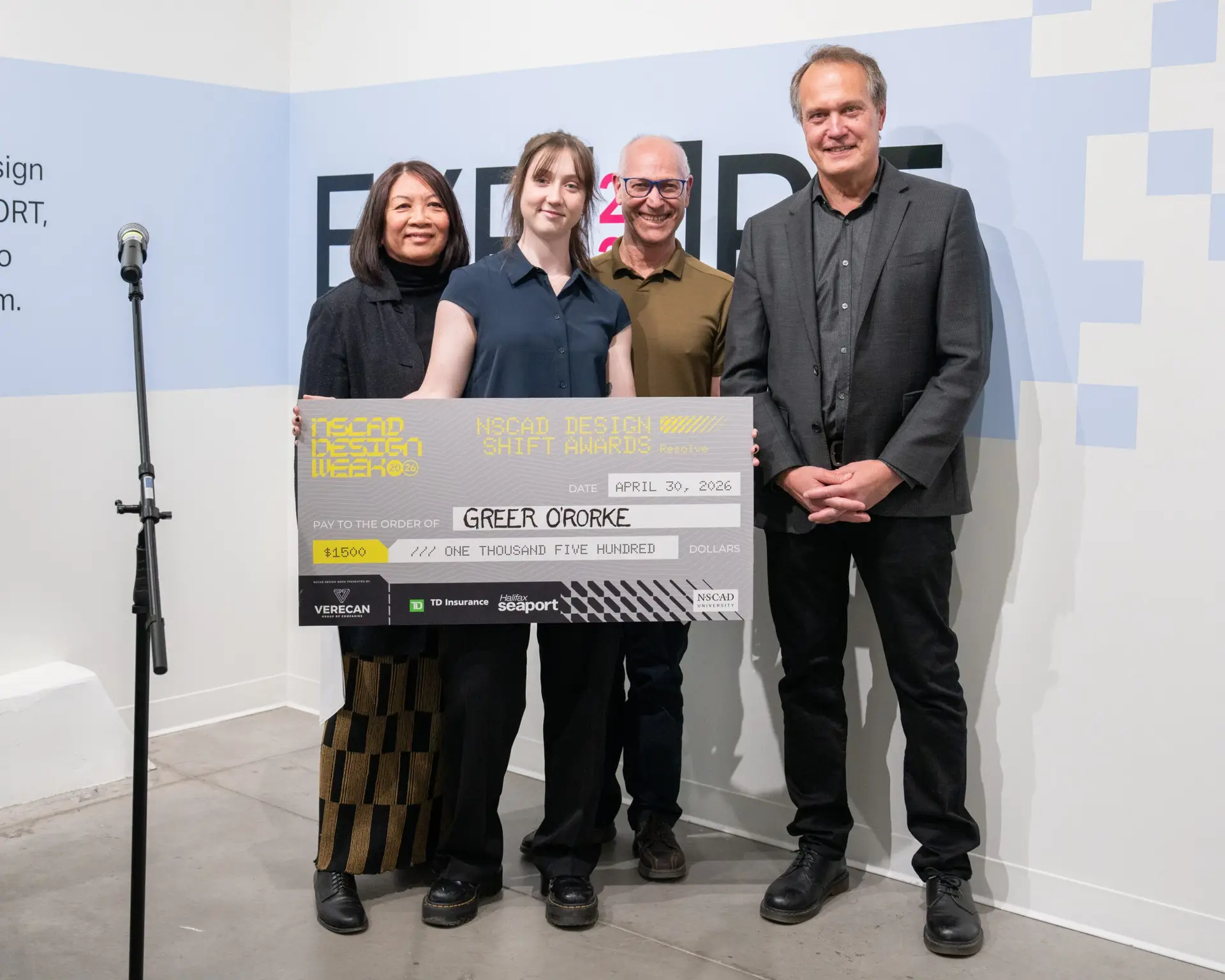
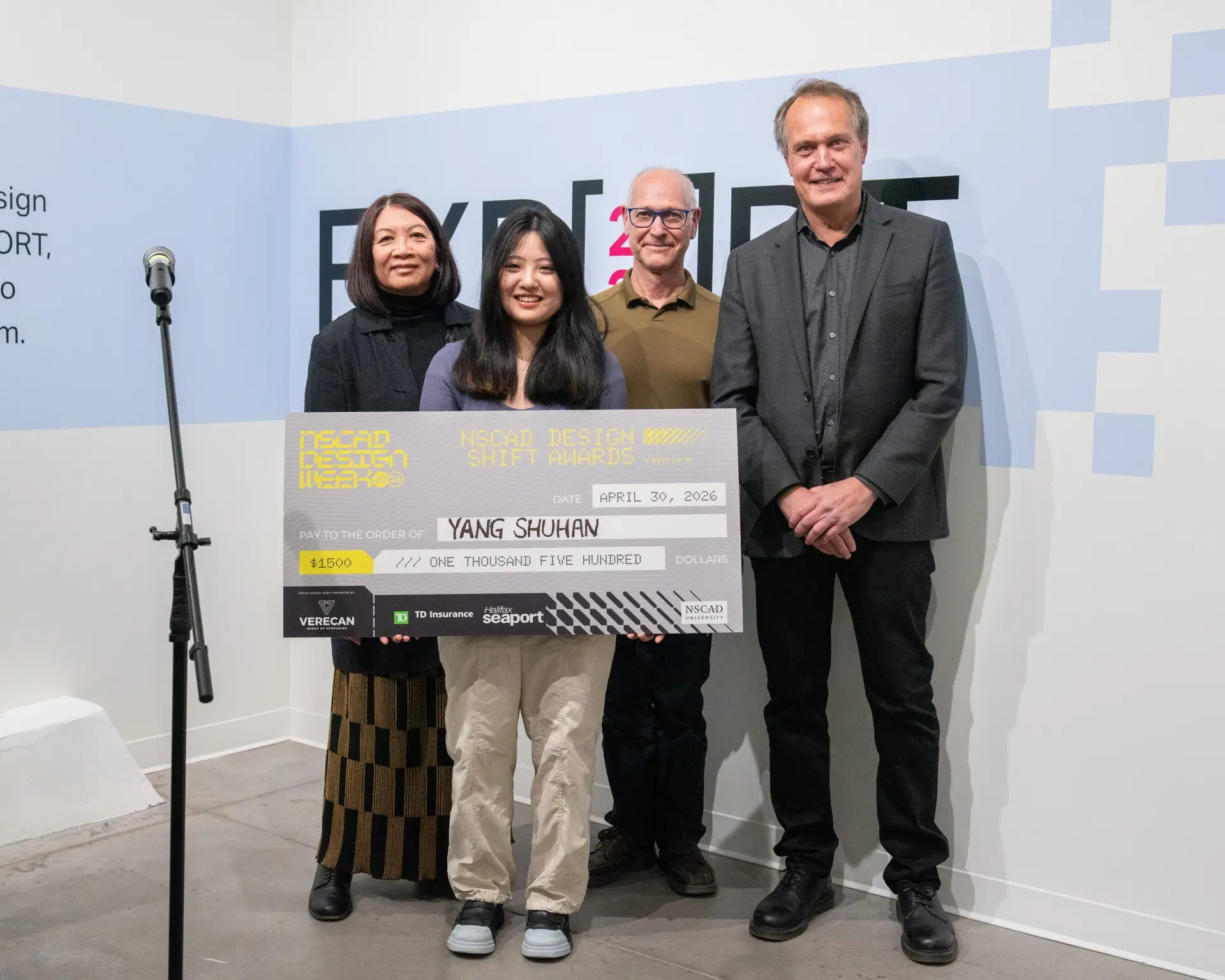
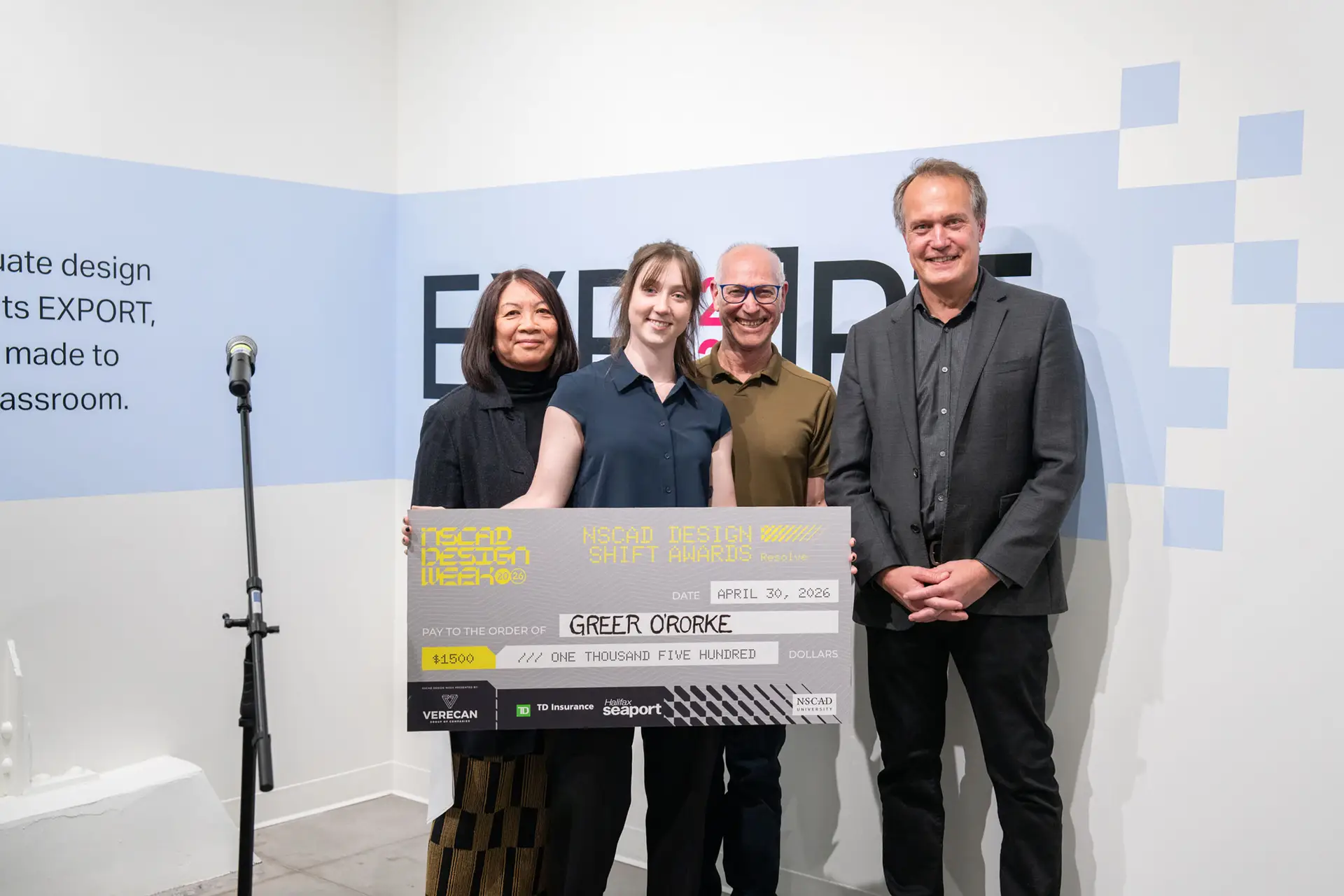
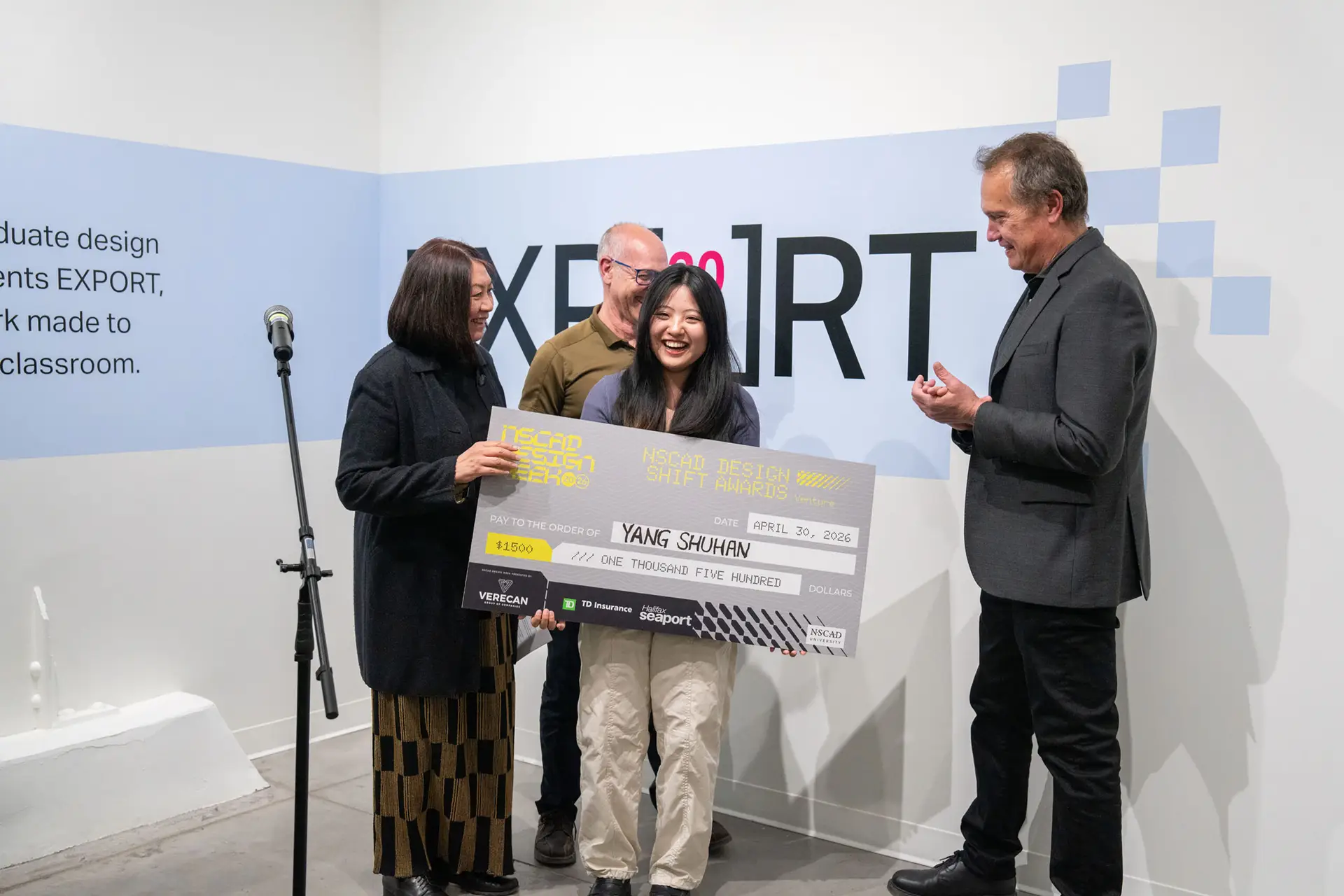
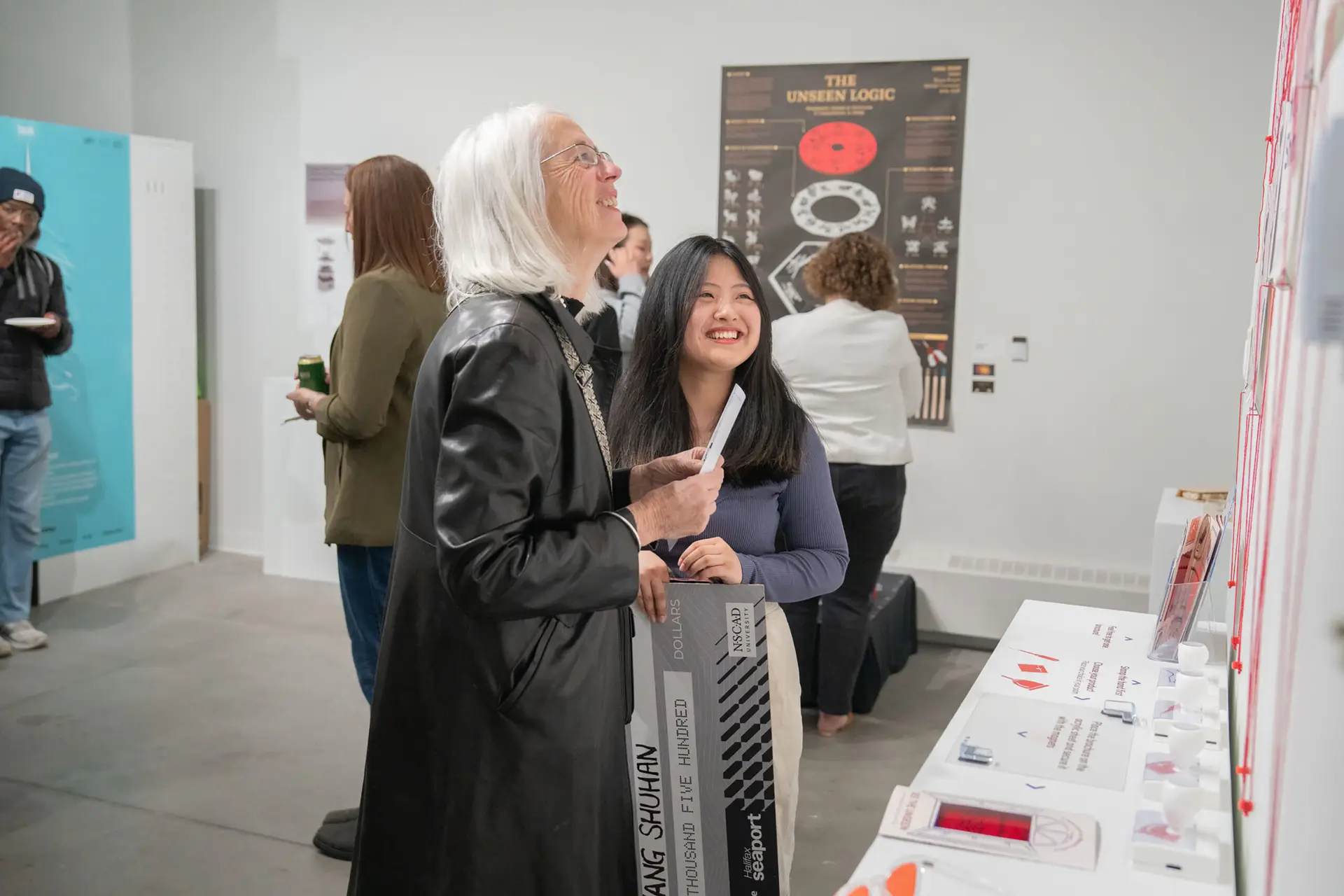
BDes student Greer O’Rorke (left) won $1,500 in the Resolve category, while MDes student, Yang Shuhan won $1,500 in the Venture category. Credit: Ginger Yu
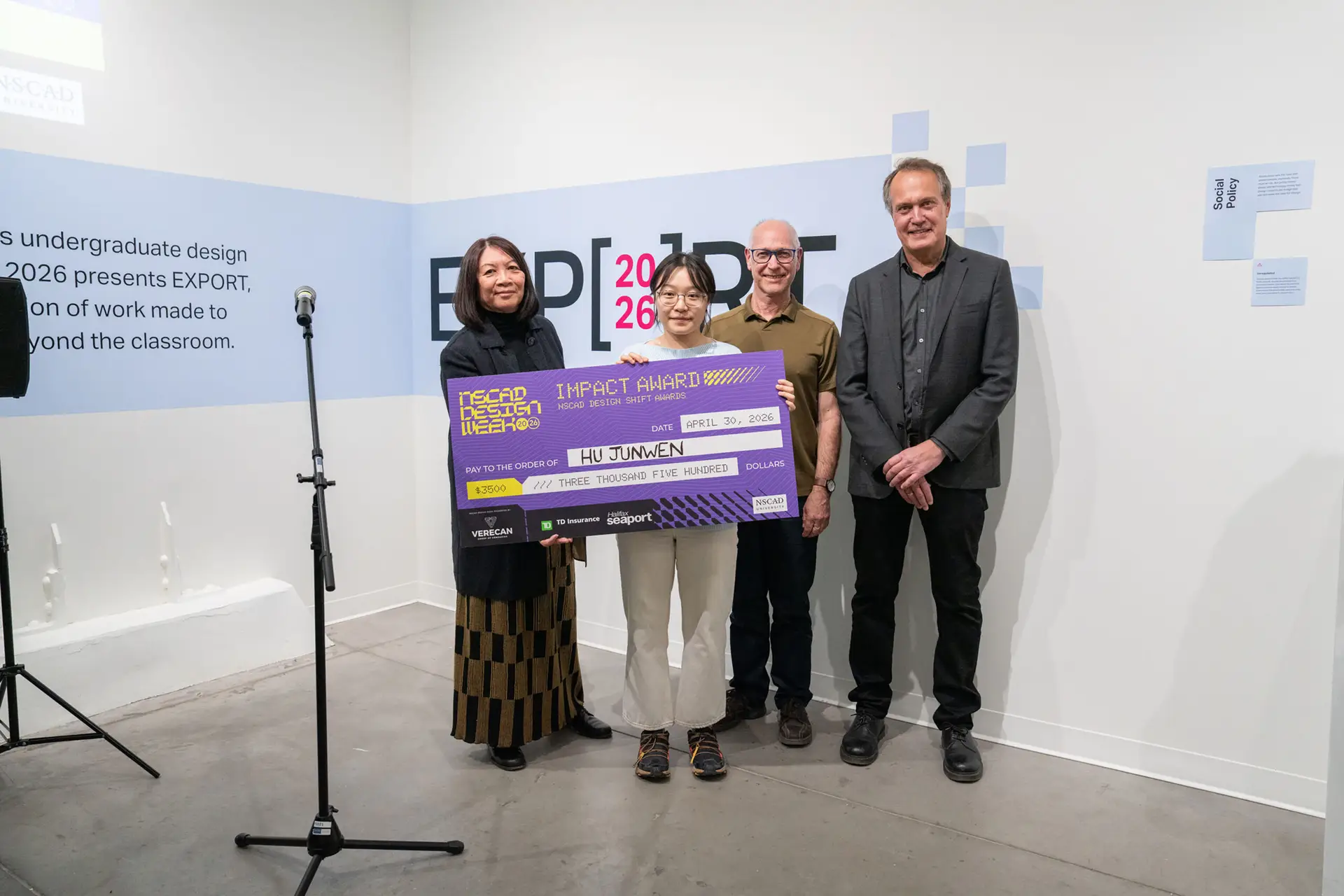
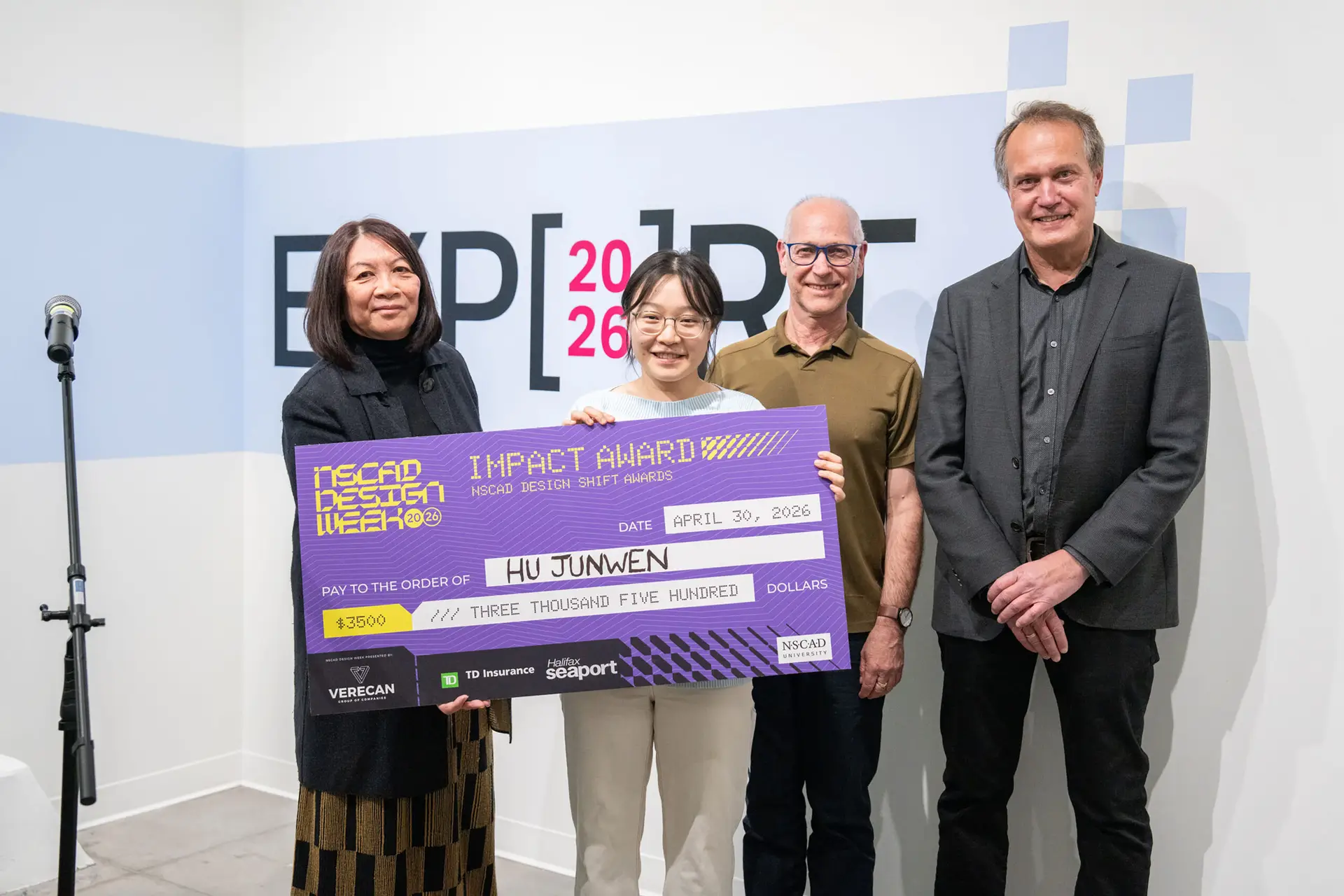
One standout design among the projects was XO Care, created by recent graduate Junwen Hu (MDes 2025), who won both the Thrive Award category and the competition’s grand prize, the Impact Award.
“Winning this feels like a life achievement for me,” she said. “It has given me a lot of confidence as a designer and proves to me that what we are doing can add value to people’s lives. I am so honoured for the recognition and proud of my work.”
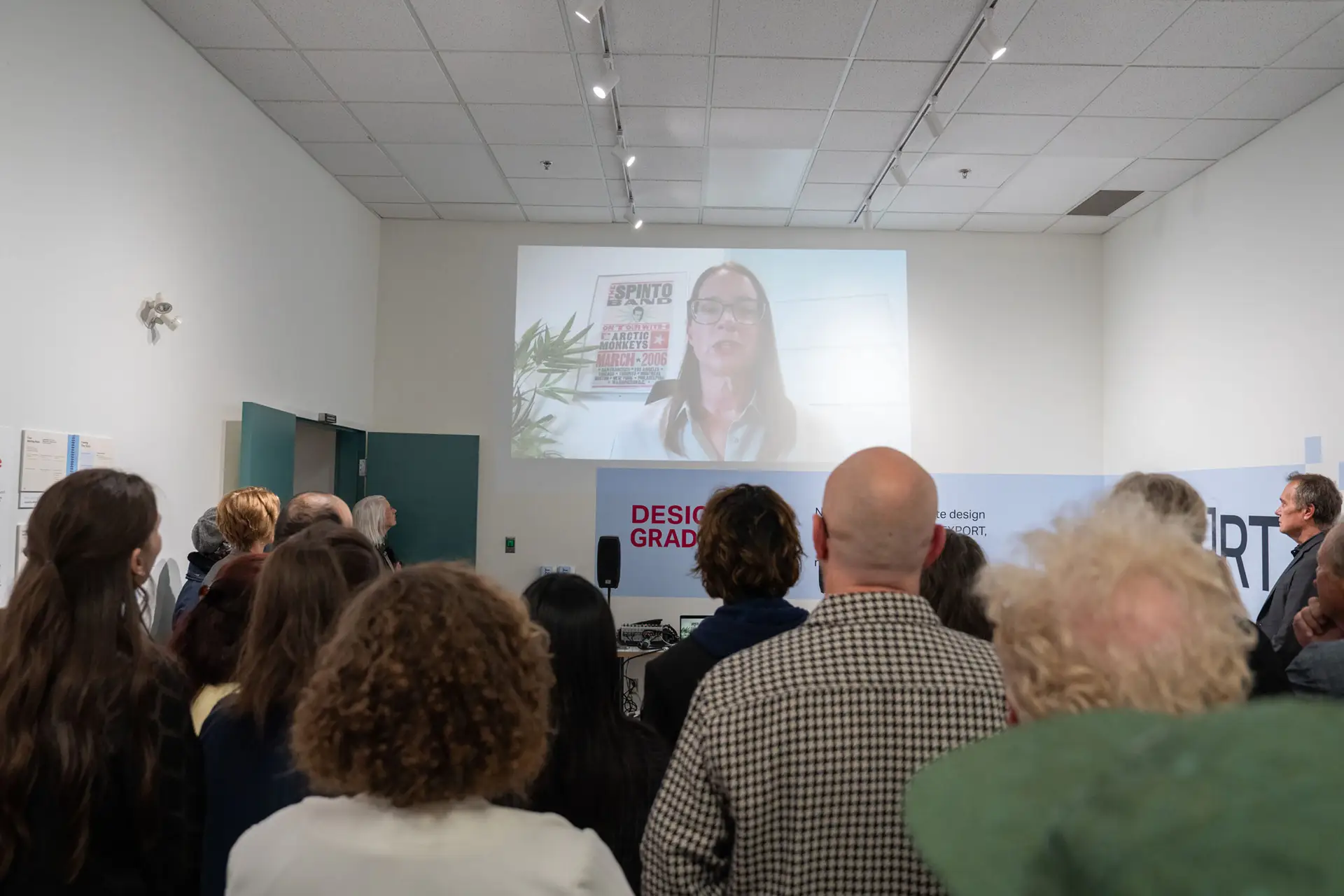
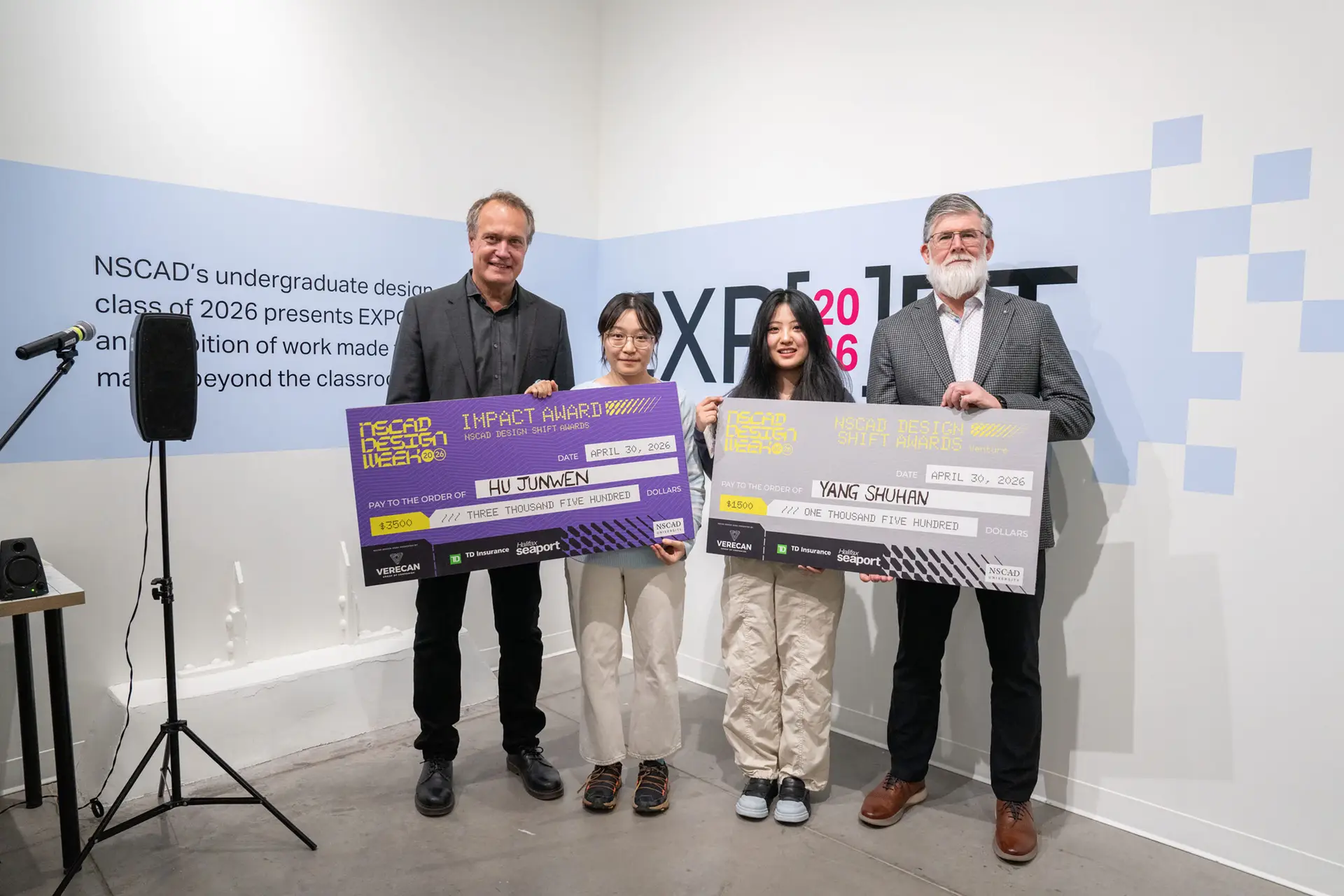
The winners were announced at an awards ceremony at the Mary E. Black Gallery on Thursday, April 30.
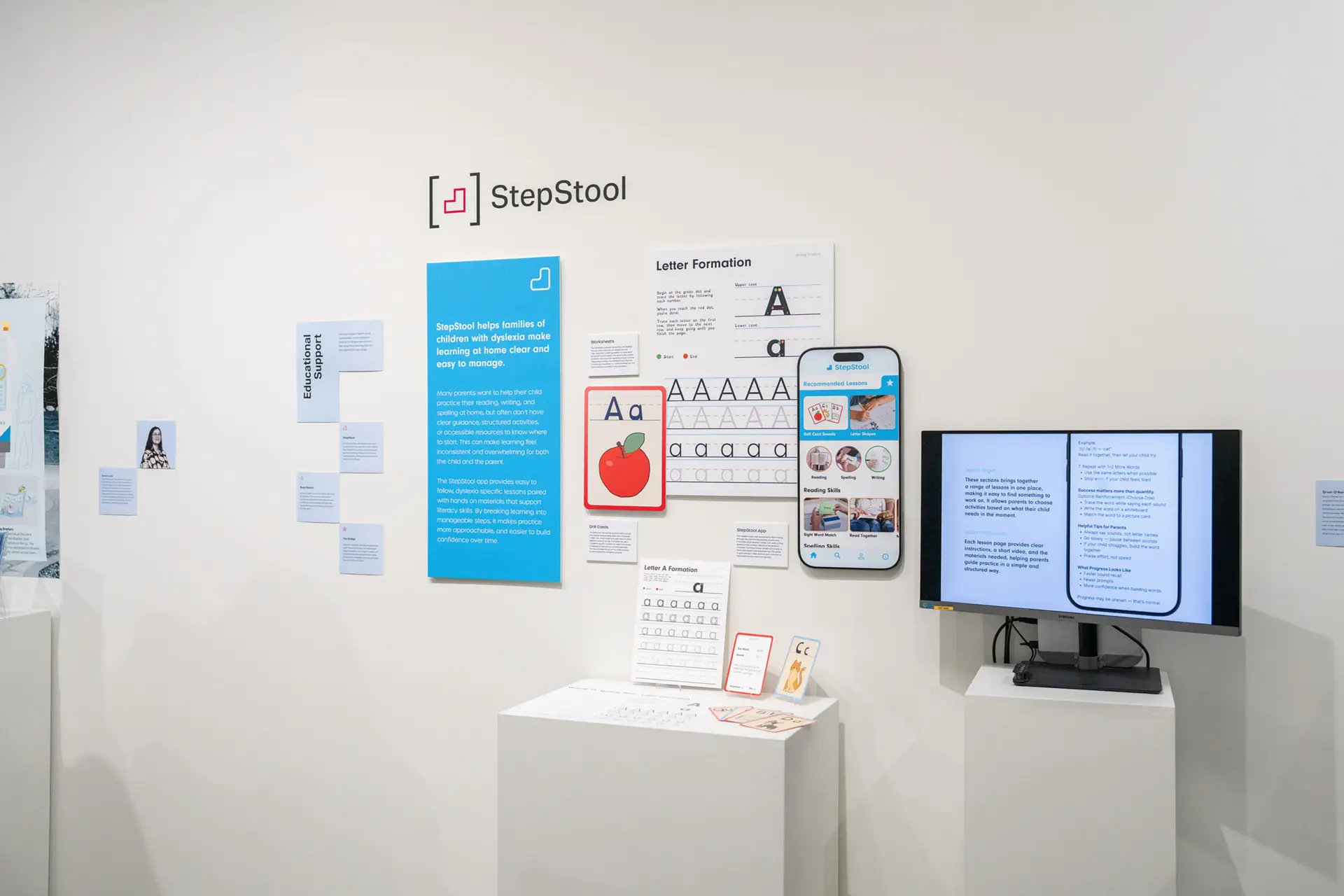
As the grand prize winner, Hu will receive $3,500 in addition to the $1,500 Thrive category prize. Undergraduate student, Greer O’Rorke won $1,500 in the Resolve category for their project, Step Stool. While MDes student, Yang Shuhan won $1,500 in the Venture category for Nushroom.
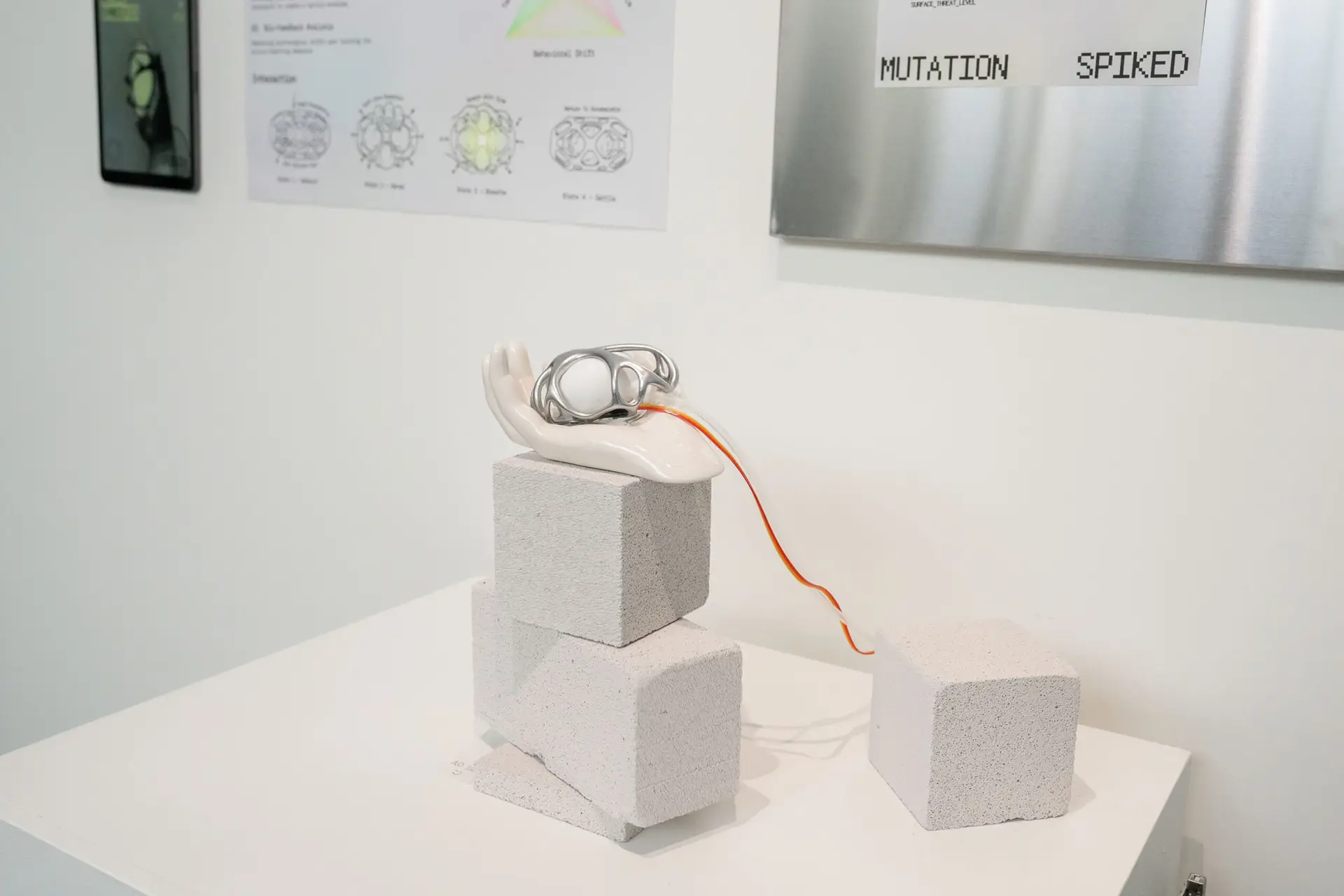
Hu’s project focuses on improving quality of life for seniors through a wearable, AI-powered platform. The design features a smart ring that tracks activity and other health metrics, offering insights to both users and their caregivers. Its soft silicone coating is especially designed to adapt to the joints and muscles of seniors.
“I was inspired by my parents and my grandparents. I am so far away from them and often worry how they are doing,” said Hu. “So, I started to wonder how I can watch over my family—especially the older family—while still respecting their independence. So, I wanted to make something that my family members, caregivers and doctors can use. Something that can improve their quality of life without interrupting daily living, while giving me peace of mind.”
Hu has already taken the project beyond the classroom, working with a team of engineers to pilot the technology in a local care facility.
“We have about 20 to 30 participants already wearing our product,” she said. “The feedback we get is important to help us improve the product and make the user experience better.”
FOSTERING COLLABORATION BETWEEN DISCIPLINES
Beyond the awards, NSCAD Design Week fostered a strong sense of community and pride among students. Many expressed excitement at finally seeing their discipline celebrated on the same level as other departments.
“We’ve had alumni say they’re jealous they didn’t get to experience a Design Week while they were students,” said Pourian. “Hearing them say this confirms that this was long due, motivating everybody at NSCAD to fully support the department and upcoming design events moving forward.”
Hu hopes that NSCAD Design Week becomes an annual event.
“Design Week wasn’t just an opportunity to show student work but also our potential as powerful designers,” she said. “It’s an opportunity to open people’s minds about the design process, and for designers to inspire each other and collaborate together. It’s mutually beneficial.”
Read more about NSCAD Design Week and the Design Shift Awards on our website.