

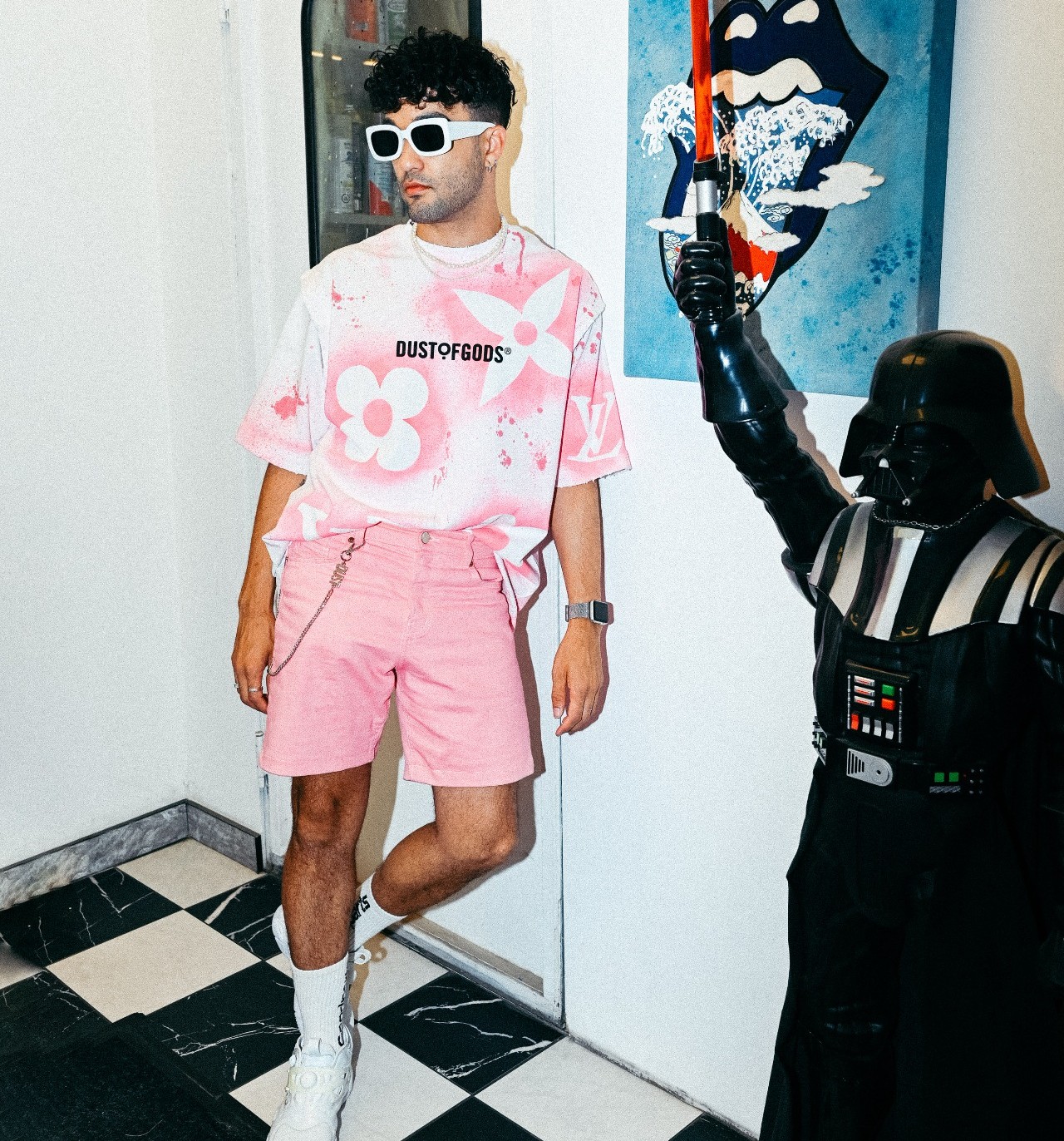
Fashion designer Matthew Brown credits his education at NSCAD for giving him the skills needed to work with international brands like Dust of Gods. Credit: Courtesy of Matthew Brown.
Fashion and Textiles graduate Matthew Brown (BFA 2026) has designed apparel for well-known sports and entertainment celebrities, including legendary professional footballers Lionel Messi and Neymar Jr. Now, Matthew is experimenting with personalized fashion design, including a line of handbags, that incorporates memories and emotional elements into each piece.
NSCAD spoke with Matthew to learn more about his career working with Toronto fashion house, Dust of Gods, and now bespoke perfumery, Le Labo.
Q: Please tell me what you studied at NSCAD and how you made the decision to come to NSCAD to pursue your degree.
I studied Textiles and Fashion Design at NSCAD University. Before transferring there, I was enrolled in the Advanced Fine Arts Diploma program at Fanshawe College in London, Ontario. During my final year at Fanshawe, my practice centered around sculpture and installation, with a particular focus on wax sculptures that explored masculinity, identity, and fashion. Jackets became a recurring visual motif in my work, and although I was approaching those ideas through fine art, fashion had always maintained a presence in balance.
I’ve loved fashion for as long as I can remember—probably since I was four or five-years-old. I was fascinated by clothing and the way people could communicate something about themselves simply through modes of dress. When NSCAD visited Fanshawe to present its programs and explain the transfer pathway, something really clicked. I realized I didn’t have to choose between fine art and fashion—they could exist together. That presentation reignited a passion that had always been there and gave me the confidence to pursue textiles and fashion wholeheartedly.

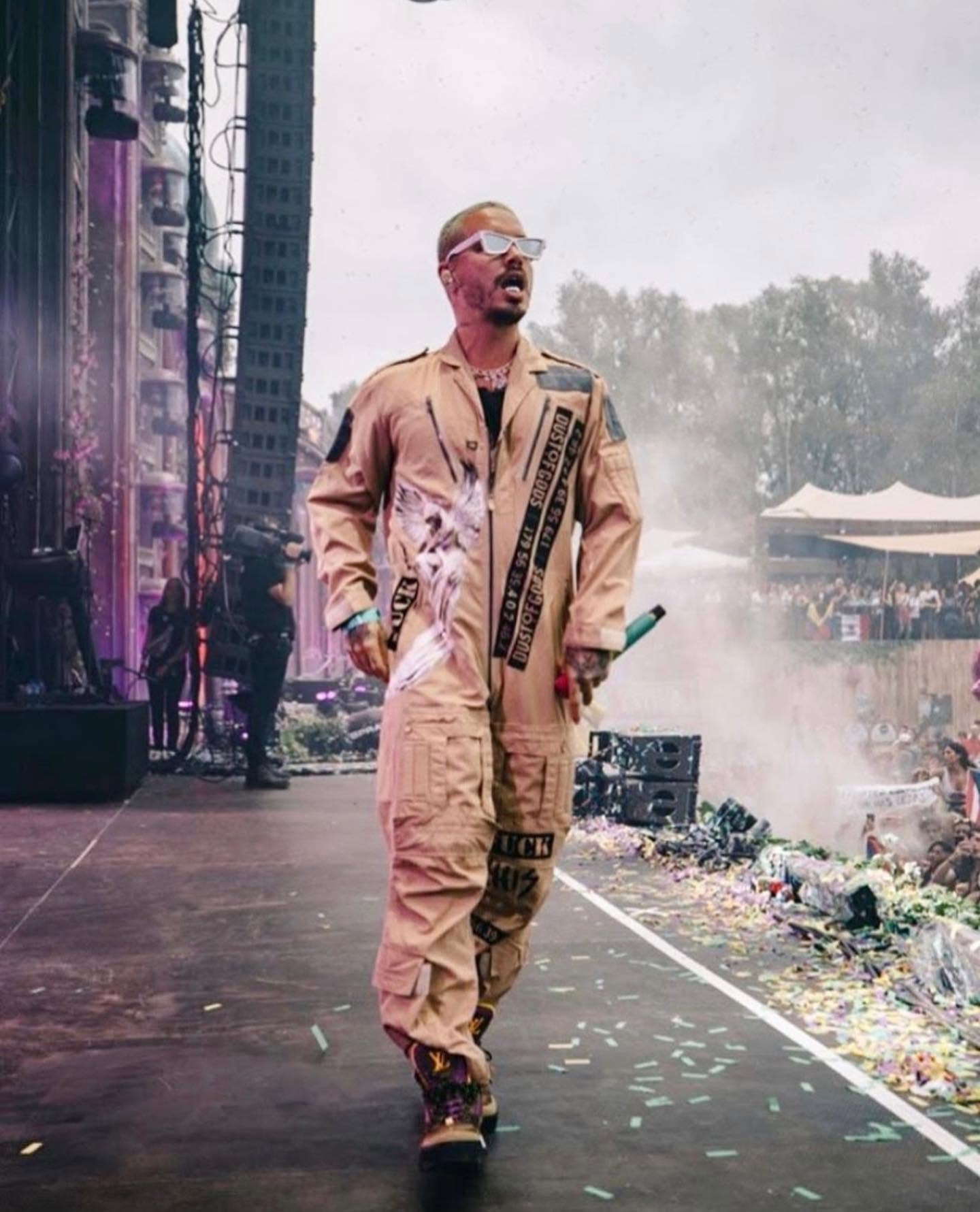
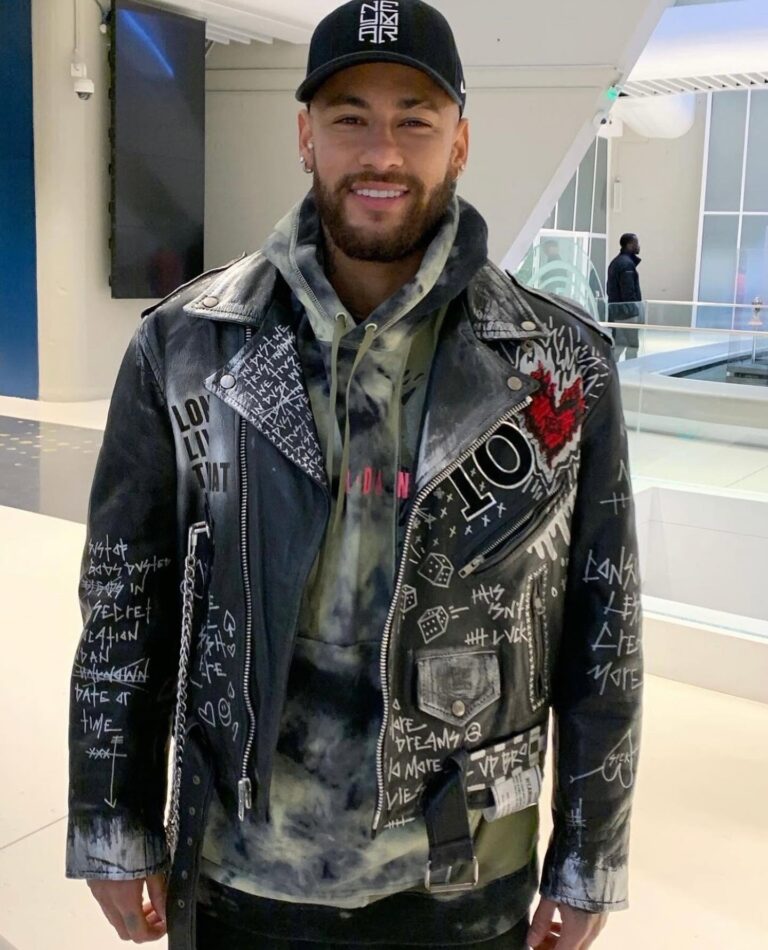
Matthew has worked on designs for sports and entertainment celebrities, like Lionel Messi, Neymar Jr., Jason Derulo, and J Balvin. Credit: Courtesy of Matthew Brown.
Q: What prompted you to come back to finish your degree?
Returning to complete my degree years later was both an easy and difficult decision. It was easy because I had already invested so much into my education and only had a small portion left to complete. At the same time, returning as an adult meant balancing work, finances, relationships, and everyday responsibilities. Time feels very different once you’ve established a career.
Looking back, I don’t think finishing my degree validated my abilities as a designer. By that point, I had already built a foundation for a career in the fashion industry and gained invaluable hands-on experience. Returning to NSCAD gave me something much more personal. It allowed me to reconnect with my creative practice. To slow down, reflect on my process, and rediscover why I create in the first place. It also gave me a sense of closure. I realized that I had possessed the tools to succeed all along, but returning to NSCAD reminded me how important it is to continue nurturing curiosity and creativity throughout your career.
Q: How did you know you wanted a career in textiles and fashion?
Fashion has been part of my life for as long as I can remember. Even as a young child, I was fascinated by clothing, materials, and the different ways people expressed themselves through what they wore. As I grew older, that curiosity only deepened. During my teenage years, films like The Devil Wears Prada also opened my eyes to fashion as more than just clothing; they introduced me to the idea of fashion as a vast and interconnected industry built on creativity, collaboration, and many different areas of expertise.
Although the film contains fictional elements and plays into certain stereotypes of the fashion world, watching it when I was 15 became a moment of realization that there was something much larger I could become a part of. It revealed that fashion was not limited to one singular path, but instead offered countless opportunities across design, editorial, styling, creative direction, production, and many other disciplines. It was through this realization that I began to see fashion not only as a form of personal expression, but as a creative profession rooted in storytelling, craftsmanship, and cultural influence.
Additionally, my background in fine art naturally led me toward textiles and fashion because I realized that garments could function as sculptural objects while also carrying deeply personal narratives. Fashion became the perfect intersection of art, design, craft, and storytelling, and I’ve never really looked back.
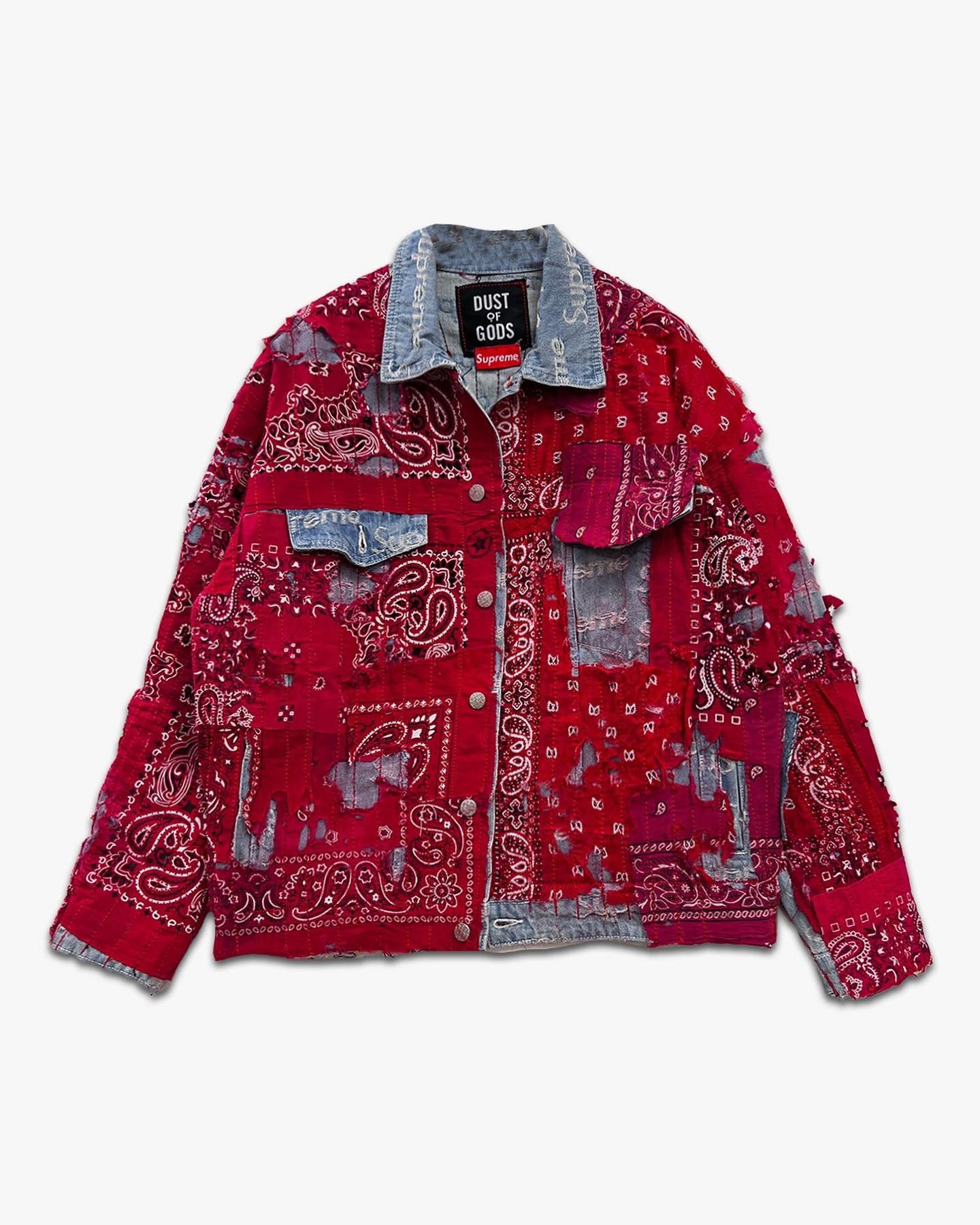
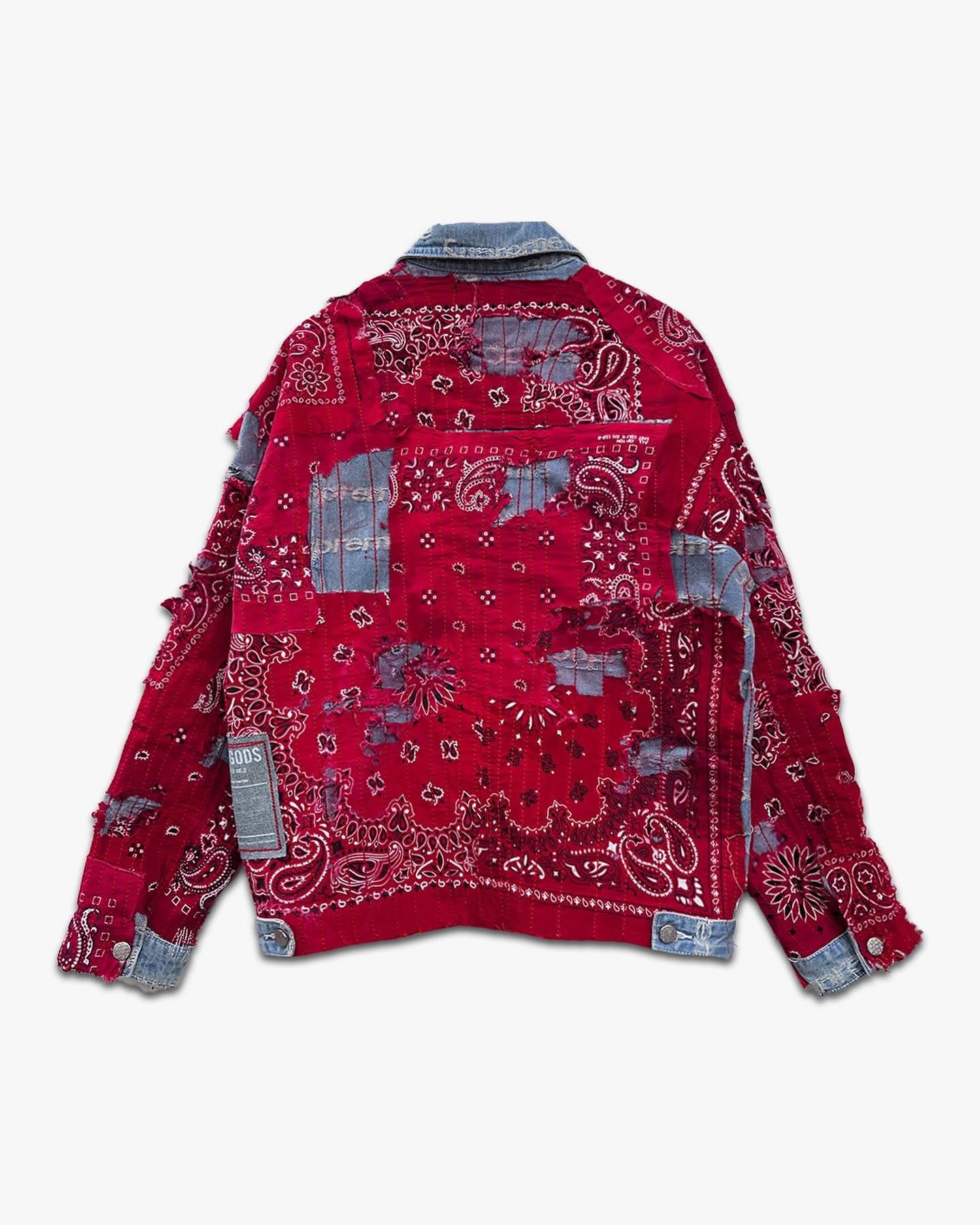
Jacket design for footballer Lionel Messi that Matthew Brown worked on at Dust of Gods. Credit: Courtesy of Matthew Brown.
Q: What did you learn at NSCAD that has helped you in your work?
One of the greatest strengths of NSCAD is how hands-on the education is. I developed practical skills in industrial sewing, pattern drafting, garment construction, seam finishing, natural and synthetic dyeing, screen printing, discharge printing, laser cutting, and 3D printing. More importantly, I learned how to think critically through making.
Those technical skills became invaluable throughout my career because they allowed me to understand every stage of the design process—not just the concept, but also the construction and execution. Whether I was developing garments, experimenting with textiles, or solving production challenges, I consistently drew upon the foundation I built at NSCAD.
I also learned that craftsmanship matters. Having a strong understanding of construction and materials gave me confidence to contribute meaningfully within professional studio environments and to approach design with both creativity and practicality.
Q: Can you tell me more about how you found a job with Dust of Gods and what pieces you worked on? What was your role and how did you come up with the designs? What was it like to work with well-known athletes, musicians, and other stars?
I first came across Dust of Gods while I was still living in Halifax and researching internship opportunities. What immediately drew me to the brand was its philosophy of treating clothing as wearable art. Coming from a fine arts and textiles background, I connected with the idea of fashion being a form of storytelling and self-expression rather than simply following seasonal trends.
Although I wasn’t selected the first time I applied, I continued following the brand and stayed interested in their work. After moving to Toronto and gaining additional industry experience, another opportunity became available. I applied again and was fortunate to join the team as a full-time designer, which became a very important chapter in my career.
Working at Dust of Gods was a unique experience because the design process was very organic and exploratory. In a small creative studio, we weren’t always starting with a traditional sketch and developing a garment from a predetermined idea. A lot of the process began with the materials themselves — discovering interesting vintage garments, reclaimed textiles, and unexpected combinations, then allowing those elements to guide the direction of the piece.
A large part of my role involved garment deconstruction and reconstruction, textile experimentation, and developing one-of-a-kind designs by combining different materials, textures, and existing garments. We would often deconstruct pieces, experiment with proportions, and build new compositions by layering or piecing textiles together. It was almost like creating a collage, where the materials themselves influenced the final design. That process taught me to be adaptable and to look beyond the original purpose of a garment, seeing the potential in what it could become.
That experience continues to influence the way I approach design today. I became much more interested in the relationship between material, memory, and transformation—understanding that the history of a fabric or garment can become part of the story of the final piece.
During my time at Dust of Gods, I also had the opportunity to contribute to designs worn by internationally recognized athletes and musicians, including Lionel Messi, Neymar Jr., Jason Derulo, Alesso, Steve Aoki, Anitta, and J Balvin. Seeing the pieces I helped create reach that level of visibility was incredibly exciting, but what I appreciated most was being part of the creative process and seeing how much collaboration went into bringing each design to life.
I also had the opportunity to meet a few of the individuals who wore our designs. What stood out to me was how genuine and appreciative they were toward the team behind the work. Both Neymar Jr. and Alesso took the time to personally thank our team, which was a memorable experience because it highlighted that every finished piece represents the contributions of many different people.
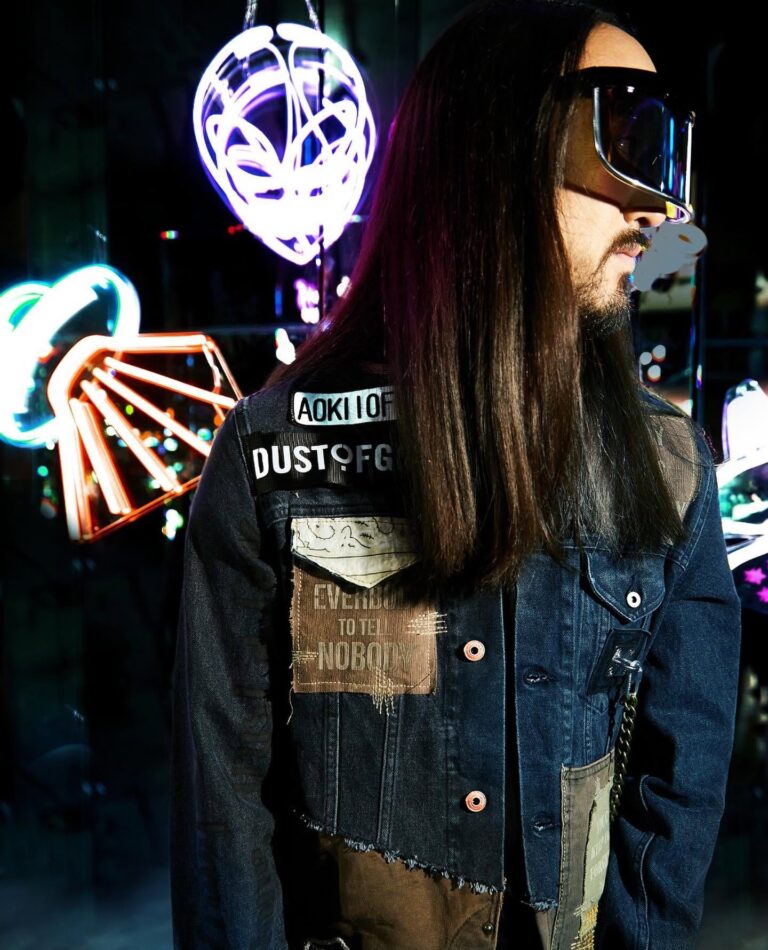
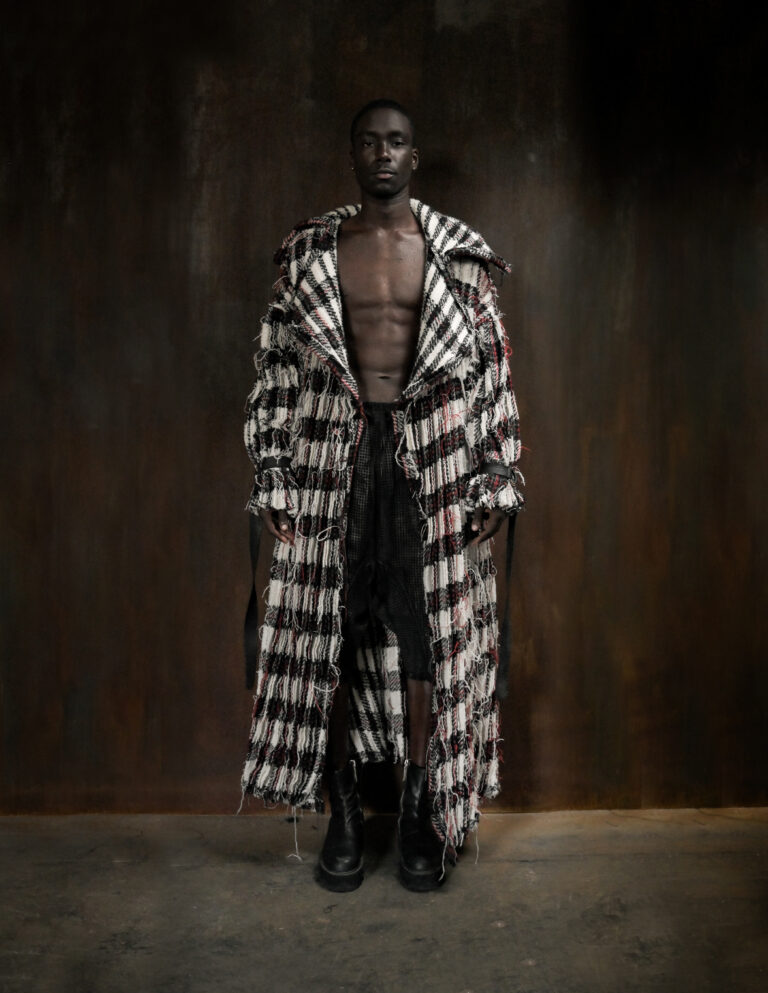
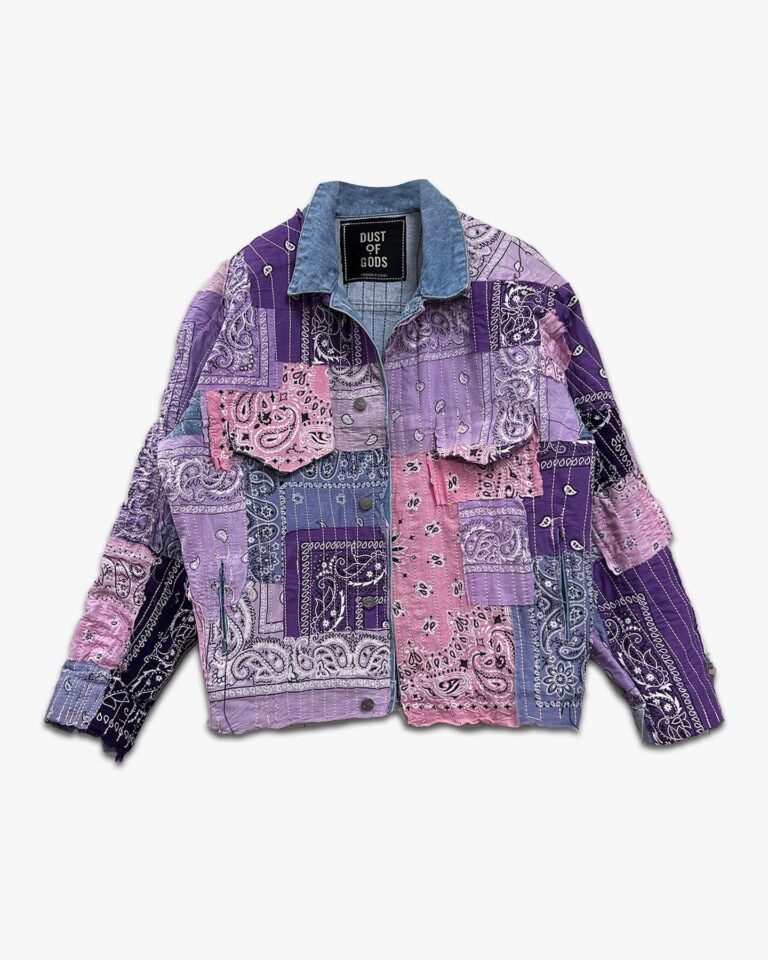
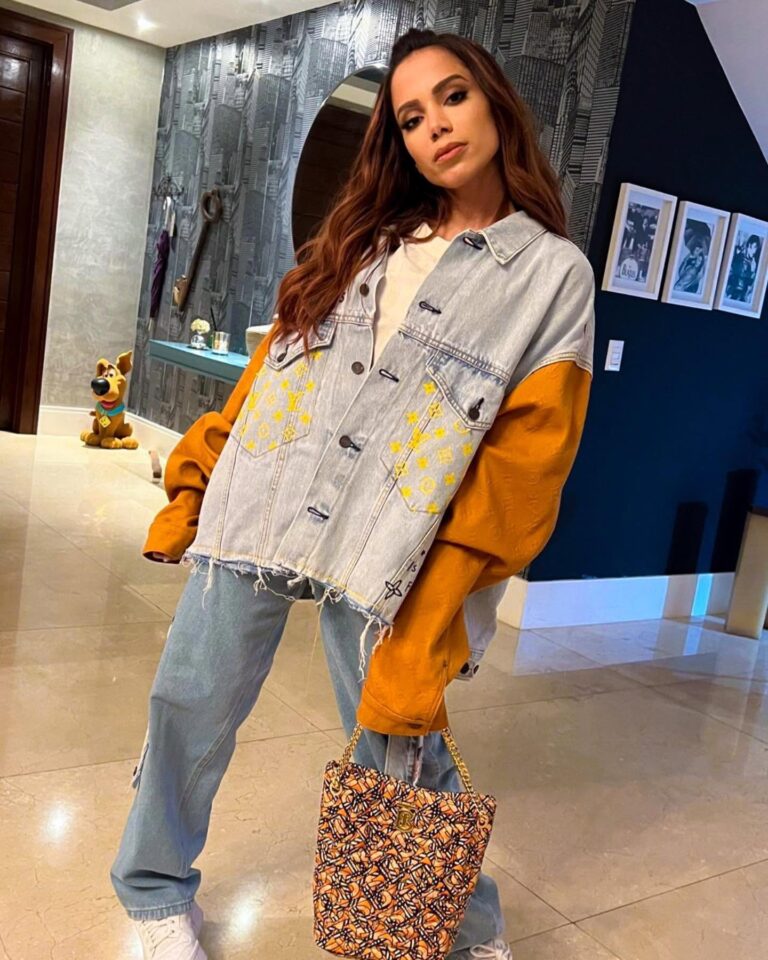
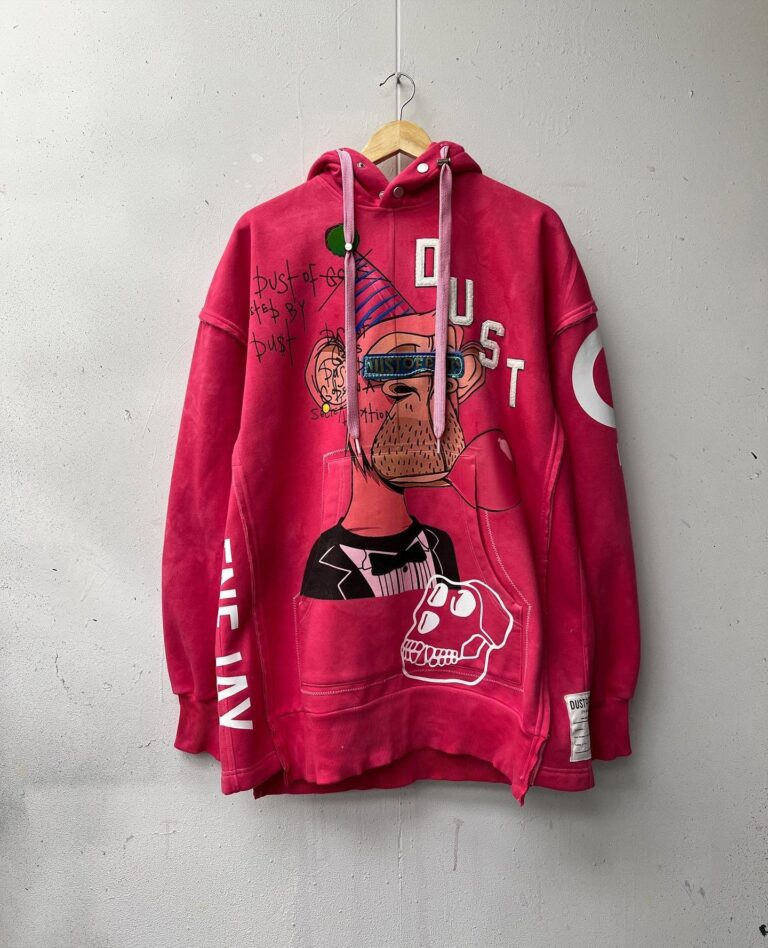
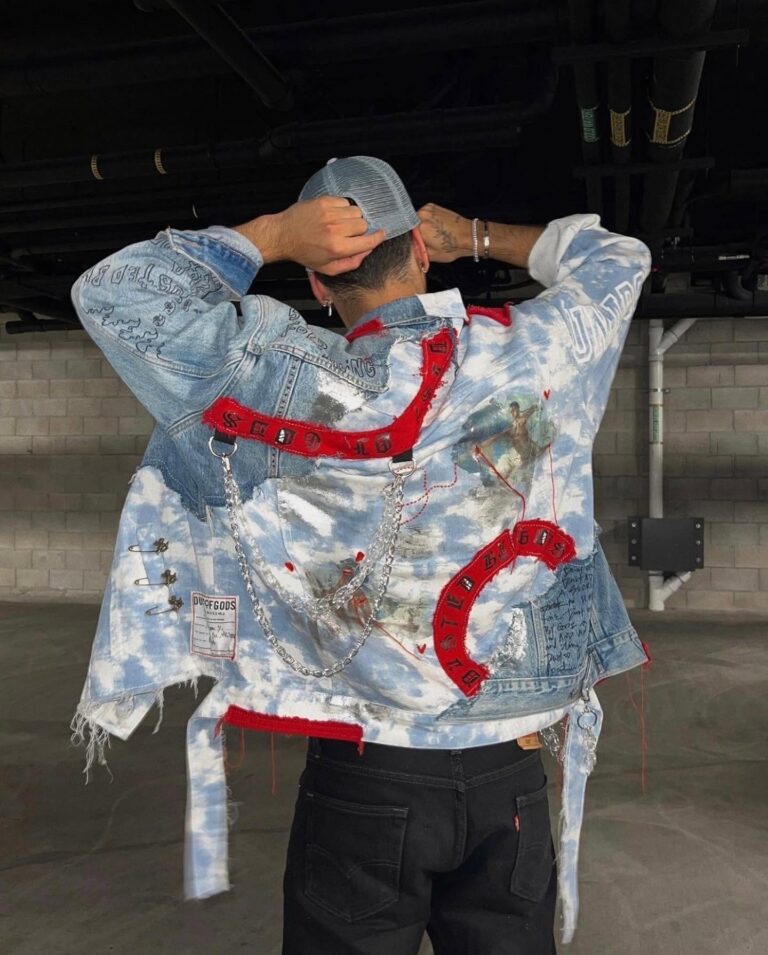
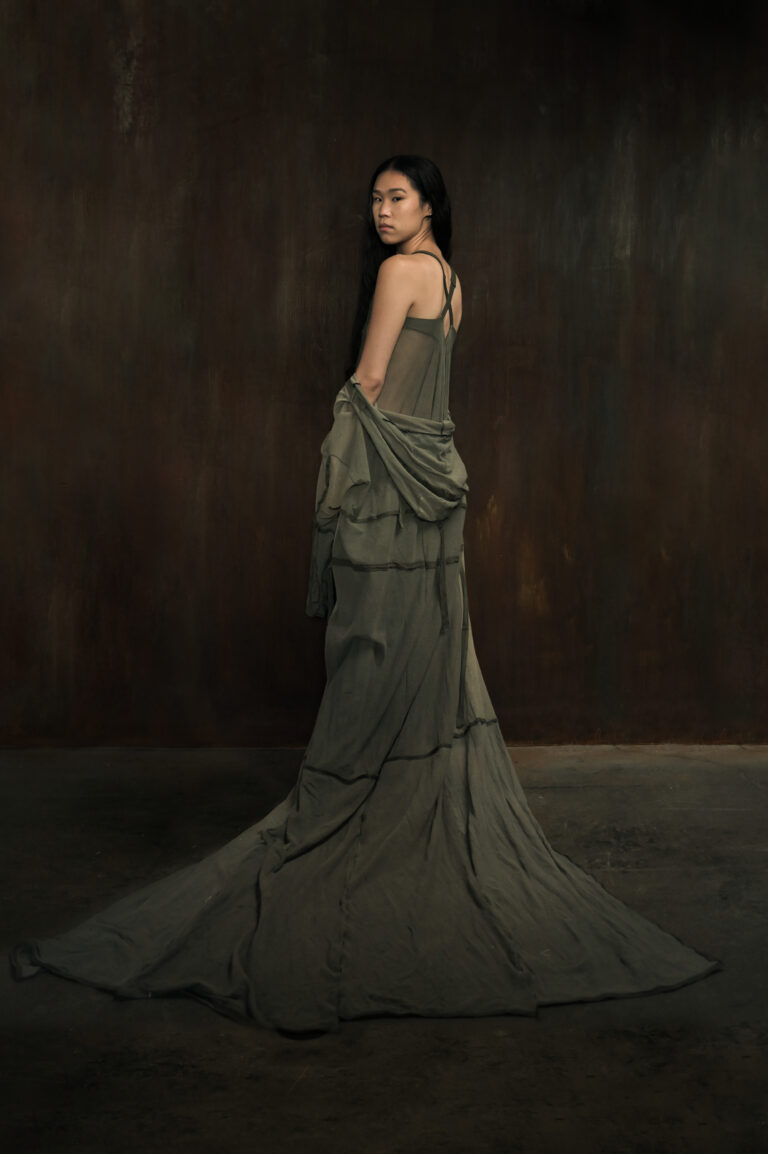
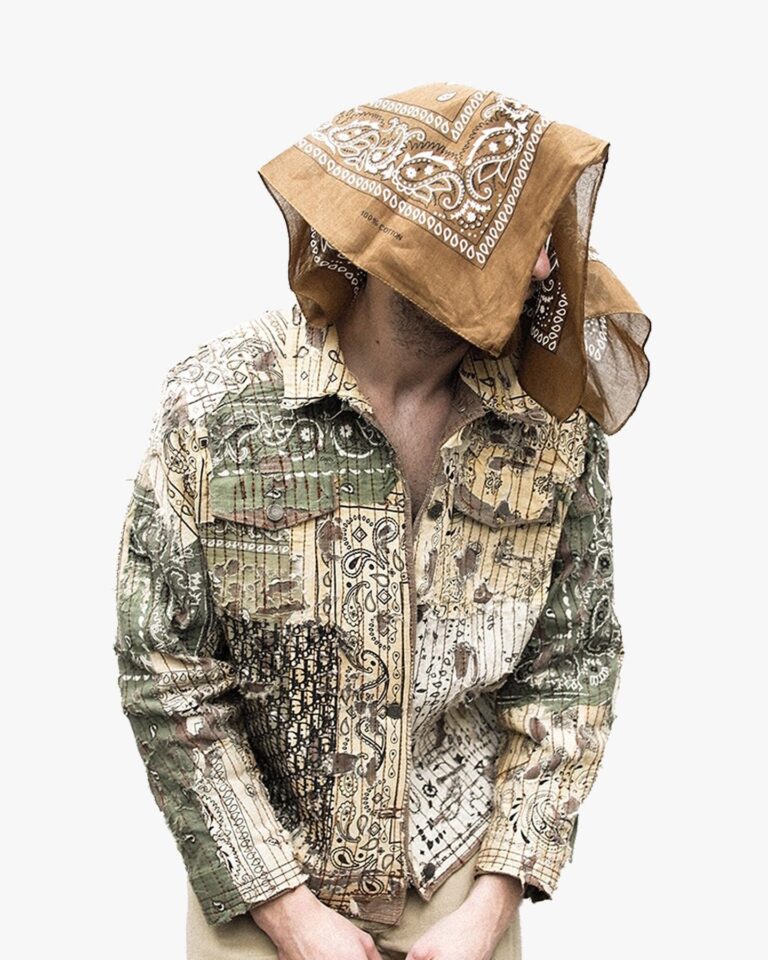

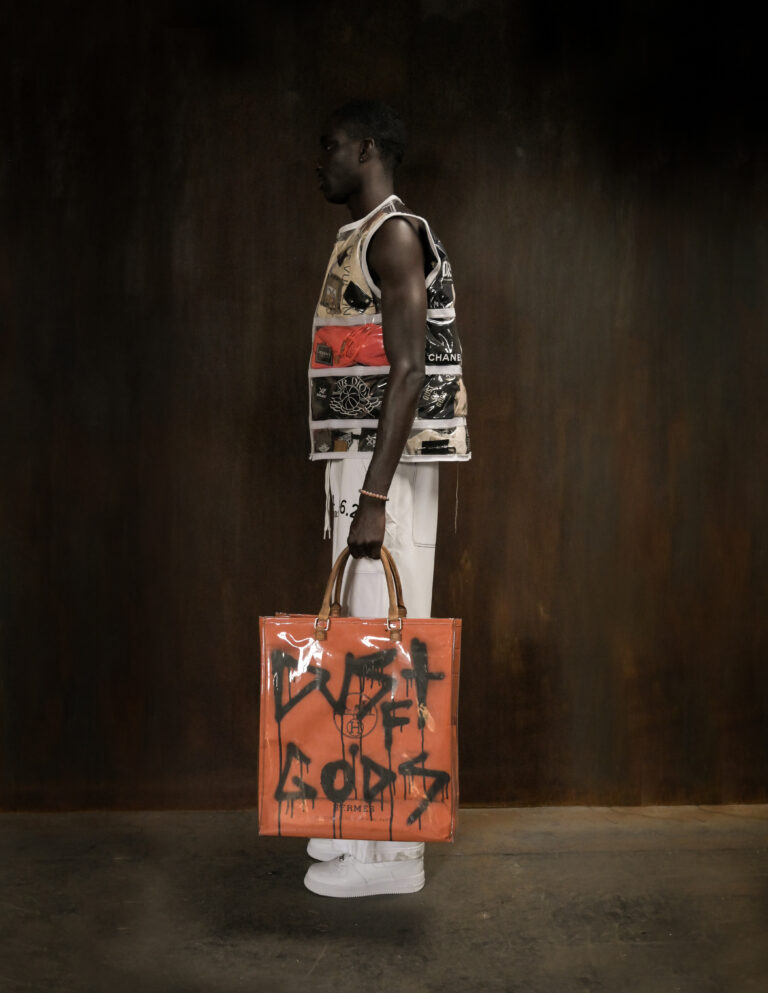
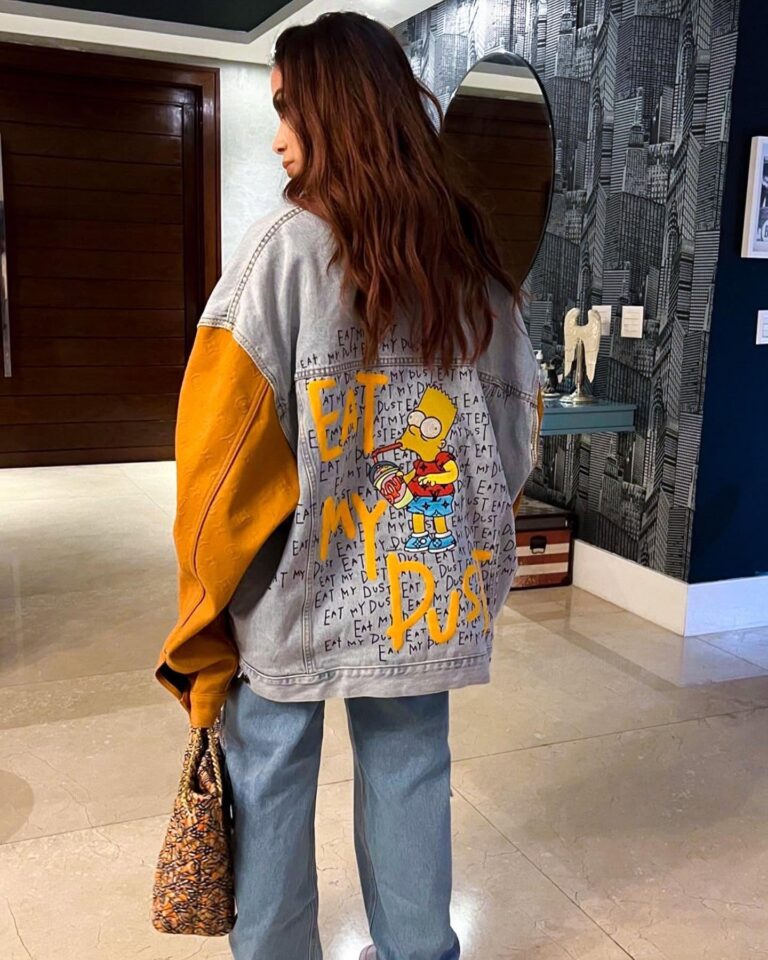
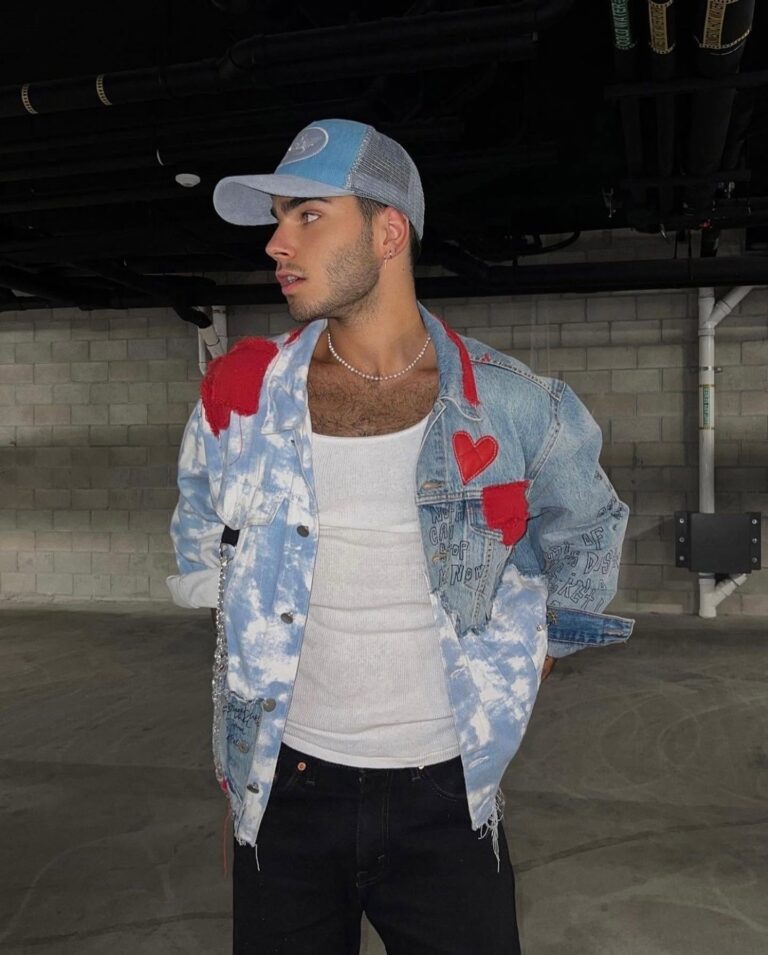
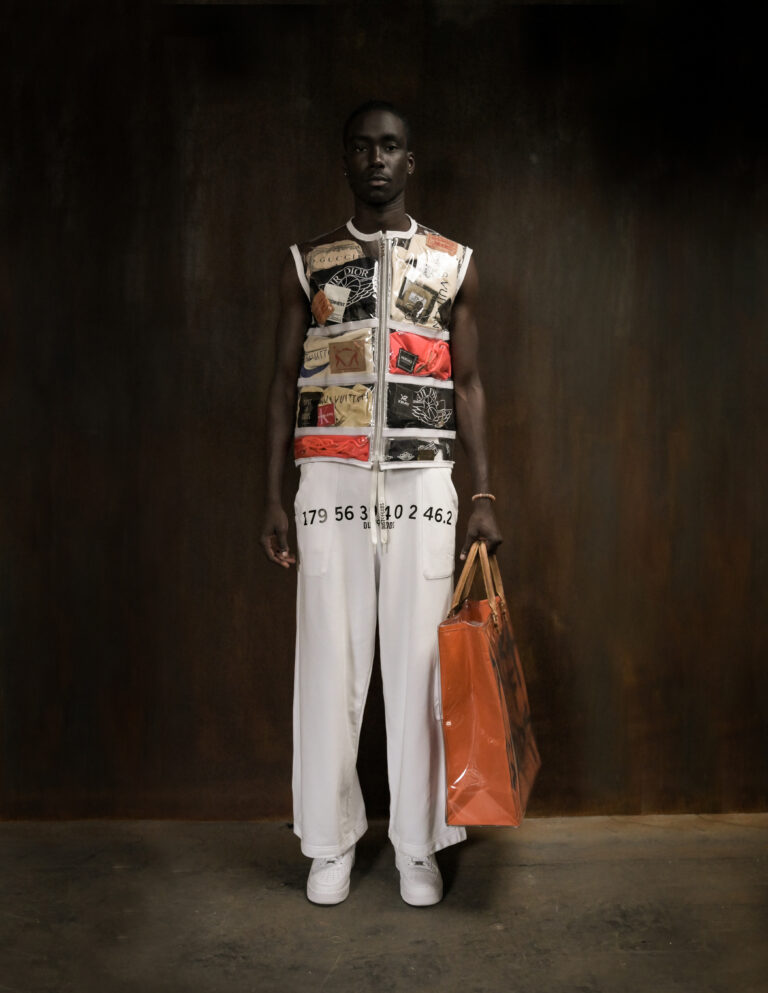
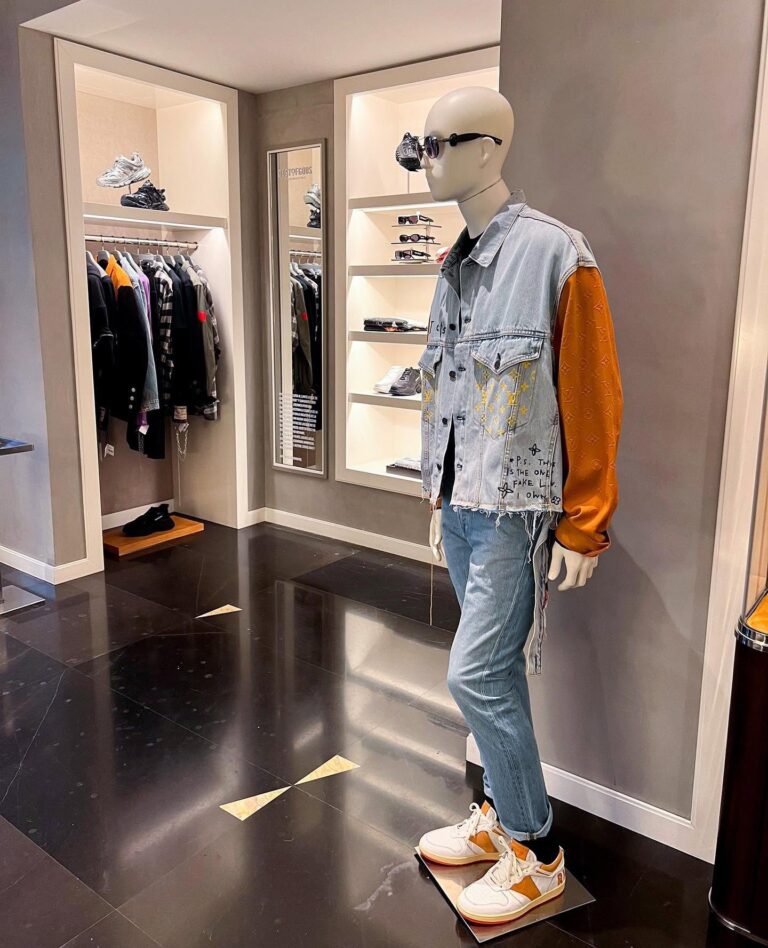
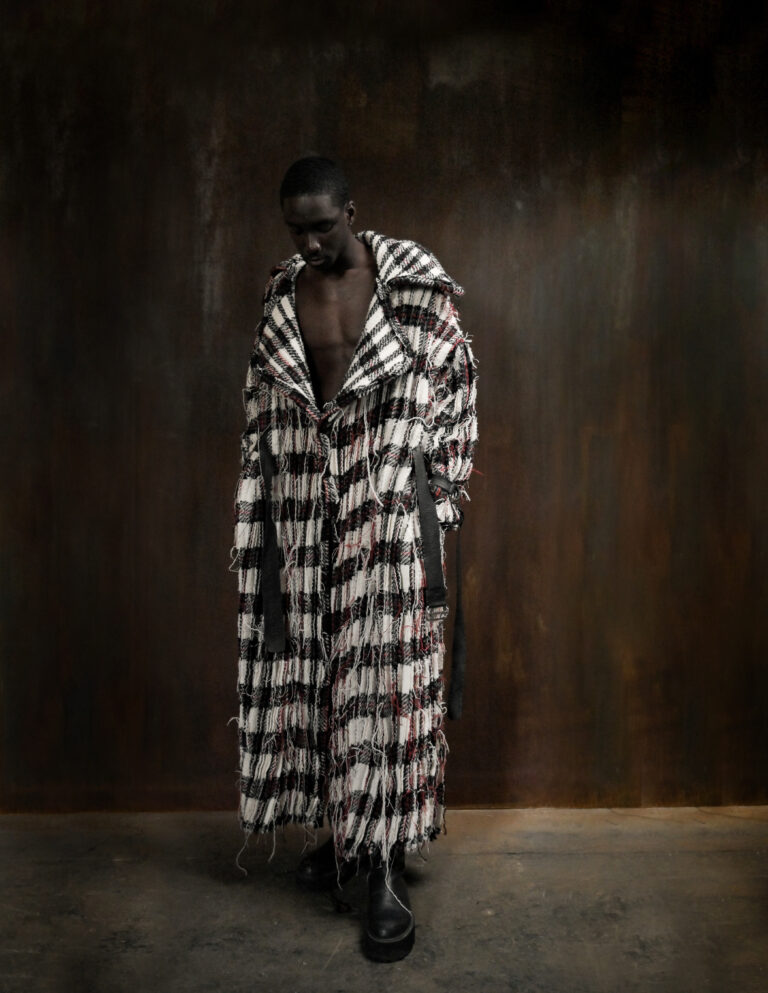
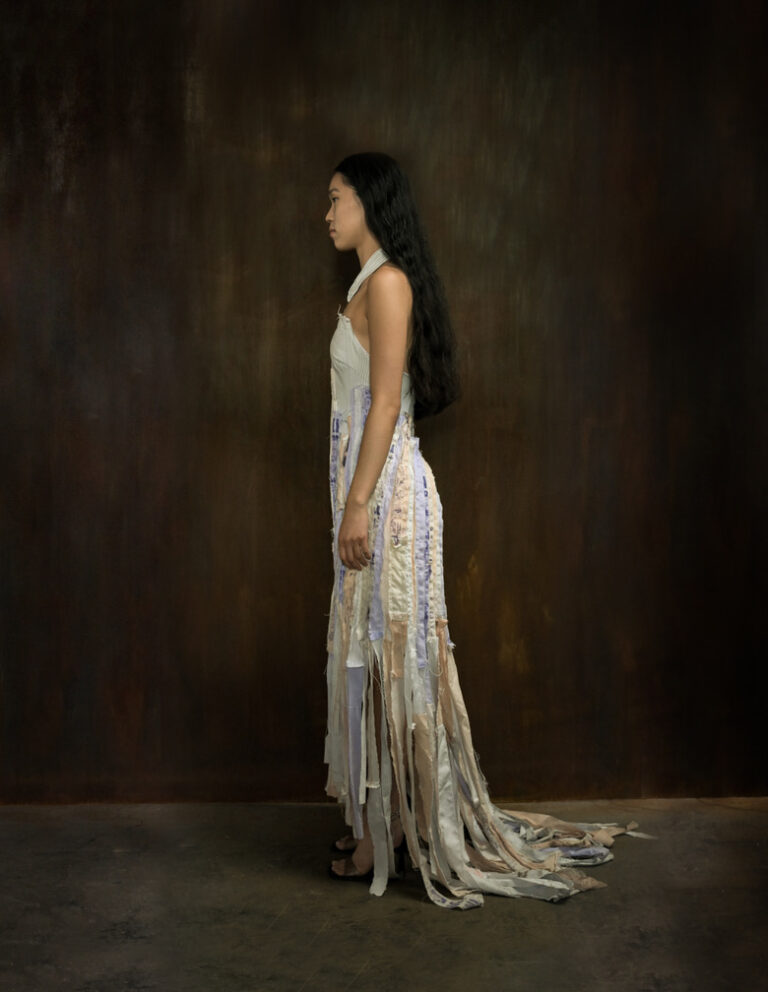
Matthew says NSCAD allowed him to reconnect with his creative practice and the importance of nurturing curiousity. Credit: Courtesy of Matthew Brown.
Q: What work at Dust of Gods are you most proud of? What did you like most about your work there?
It’s difficult to choose just one piece because every project taught me something different, but there are two designs that remain especially meaningful to me.
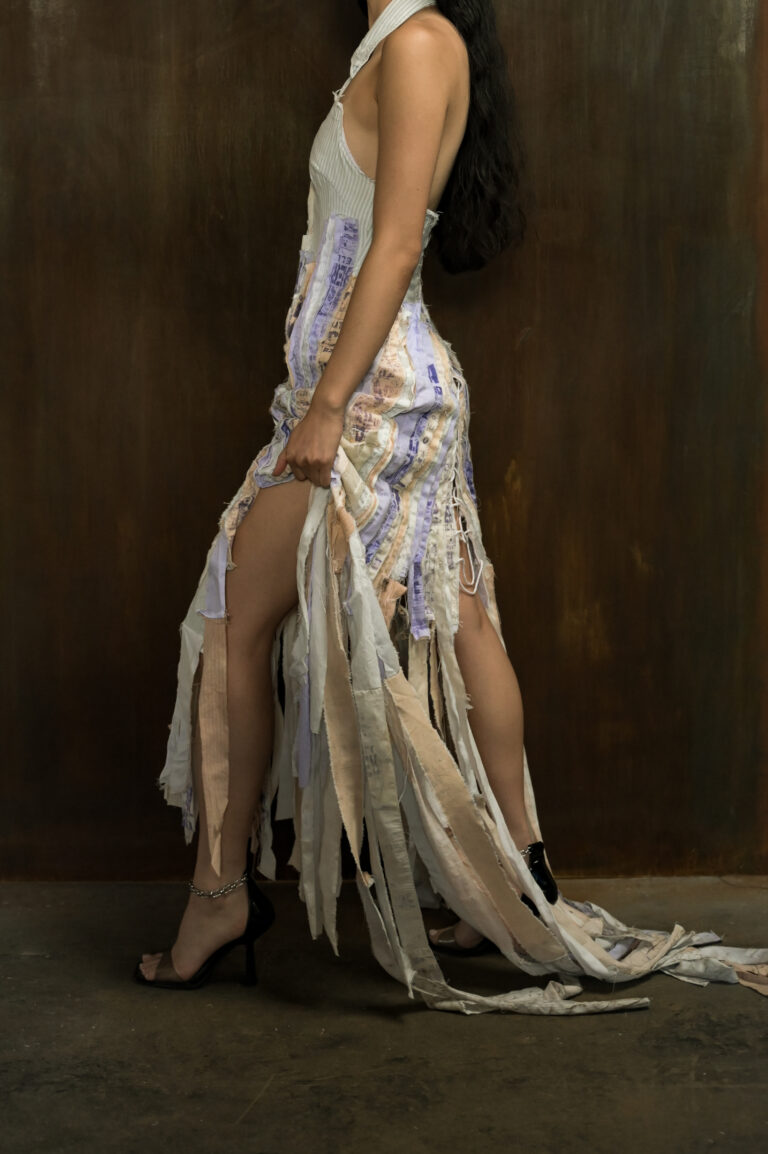
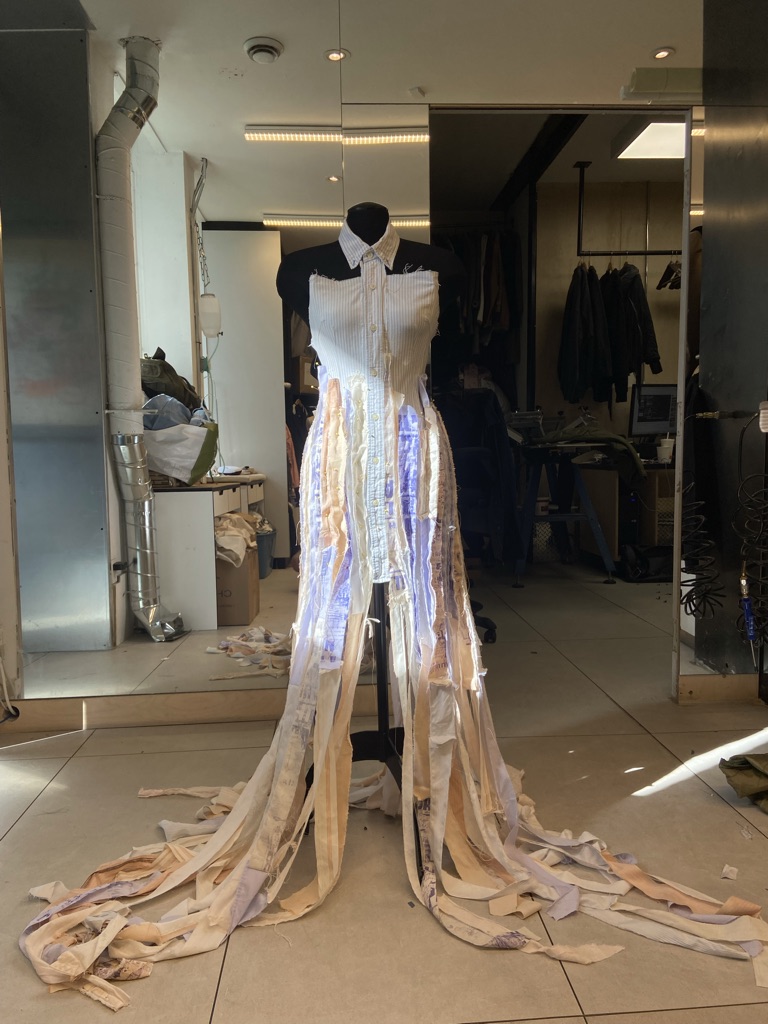
The first was a structured corset dress created from repurposed Oxford shirts. The shirts were carefully deconstructed, discharged, screen printed, reconstructed into entirely new textile yardage, and then transformed into the finished garment. That project challenged me technically while also introducing me to patchwork as both a design language and a storytelling tool. It fundamentally changed how I approached repurposing.
The second was a slip dress paired with a dramatic hooded cloak made from vintage mesh military tent liners. I discovered the material while exploring our studio and was immediately drawn to the way it draped on the mannequin. Instead of forcing the material into a preconceived design, I allowed its natural qualities to guide the silhouette. That experience reinforced something I continue to believe today: sometimes the most successful designs come from listening to the material itself rather than imposing an idea onto it.
Looking back, what I valued most was the opportunity to continuously experiment, solve creative problems, and push myself outside of my comfort zone. Those experiences helped shape my confidence as a designer.
Q: You mentioned you worked at an industrial sewing factory in North York. What was that experience like for you? What did you learn there?
Before moving to Toronto, I accepted a position as an industrial sewer in North York producing home accessories. It wasn’t glamorous work, but it was incredibly valuable.
The environment was physically demanding, and the focus was entirely on precision, consistency, and efficiency. Spending long hours operating industrial machines gave me an even deeper appreciation for the skill and discipline required in manufacturing.
Perhaps the most important lesson wasn’t technical at all. It changed the way I think about clothing and consumer products. It made me much more aware of the people behind the objects we buy, and the labour involved in producing them. That experience continues to influence how I think about sustainability, craftsmanship, and responsible design.
Q: Now you’re working for the well-known perfumery Le Labo. Tell me more about that work and what you enjoy about it. Has it inspired your design ideas?
Working at Le Labo has profoundly influenced both my creative process and the way I approach design.
During my training, there was a strong emphasis on storytelling and the relationship between scent, memory, and emotion. Like many people, I found that certain fragrances immediately transported me back to specific people, places, or moments in my life. Rather than simply appreciating those memories, I became curious about whether fragrance itself could become the starting point for a design process.
That curiosity eventually developed into my ongoing project, Emotional Baggage. Each fragrance begins with a period of personal reflection before evolving into mood boards, colour palettes, material experimentation, dyeing, sketching, and ultimately handbag design. The goal isn’t necessarily to create commercially perfect products. Instead, it’s about exploring how objects can carry memory and emotion.
What surprised me most was how therapeutic the process became. Designing from scent encouraged me to revisit memories I hadn’t fully processed, allowing creativity to become a form of reflection and healing. One project inspired by Labdanum 18 became an exploration of my relationship with my late grandfather, and demonstrated to me how deeply connected memory, material, and design can be.
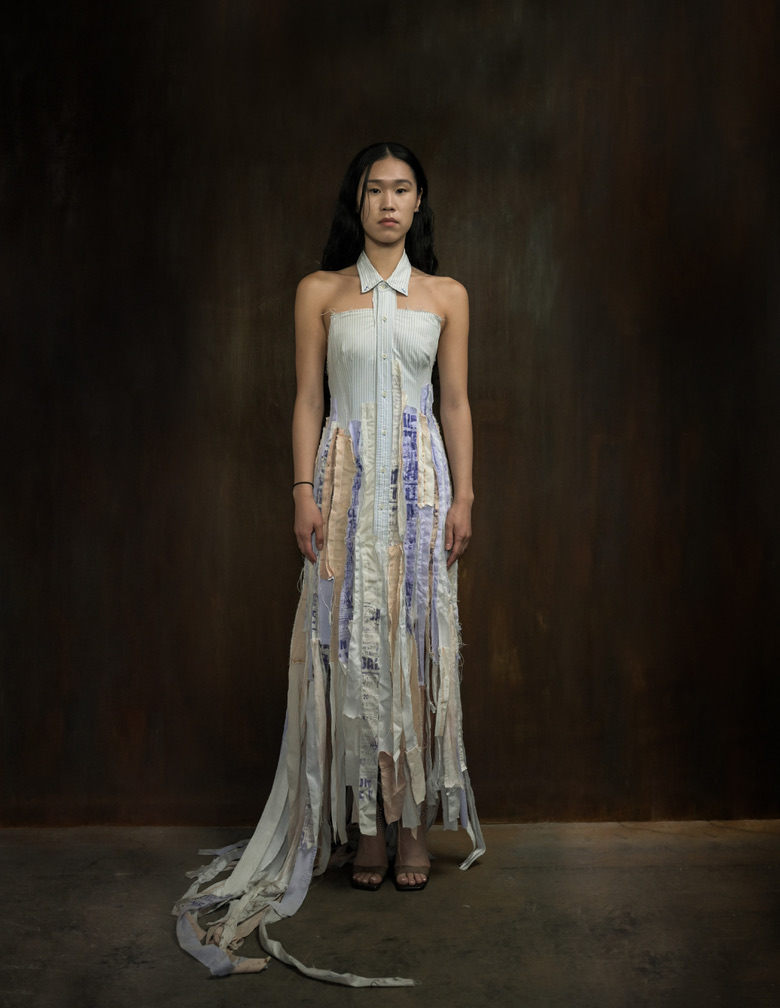
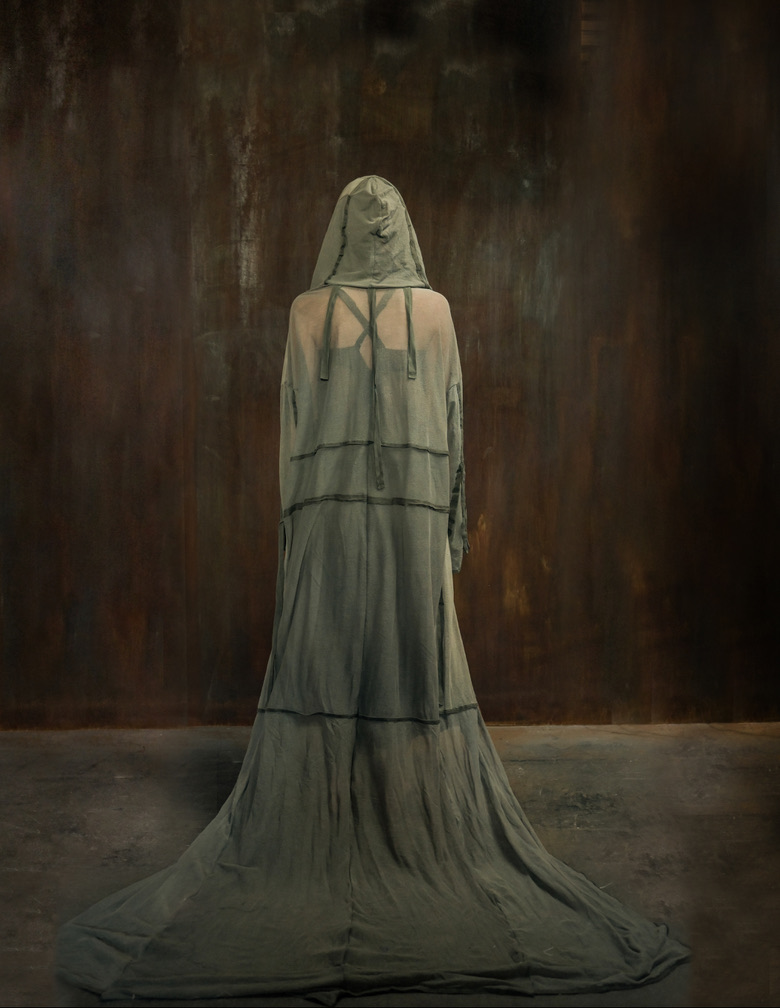
From left to right: A corset dress created from repurposed Oxford shirts. A slip dress and cloak made from vintage mesh military tent liners. Credit: Courtesy of Matthew Brown.
Q: What do you want to do next in your career? What kind of work would you love to do most?
Ultimately, my dream is to establish my own fashion brand with a focus on accessories, particularly handbags. I’m fascinated by the way handbags exist at the intersection of sculpture, function, craftsmanship, and personal expression.
Alongside that, I hope to continue developing my apparel work inspired by North Buxton, where my family has deep historical roots. I’m interested in creating work that explores heritage, identity, and storytelling through contemporary design.
More than anything, I want to continue growing as both a designer and an artist. I hope to travel, participate in artist residencies, collaborate with other creatives, and continue learning from new experiences. I believe the strongest work comes from living a full life, remaining curious, and allowing those experiences to shape the stories we choose to tell through what we create.
Q: If you could pass along a message to NSCAD students about life after university, what would you say?
I would tell students not to let self-doubt stop them from pursuing opportunities. It’s completely normal to feel uncertain after graduating, but you never know where one opportunity might lead.
One piece of advice that always stayed with me came from Gary Markle (MFA 1995) before I moved to Toronto. He encouraged me to remain open to every opportunity, whether it was a workshop, a temporary position, or an experience that didn’t initially seem like my dream job. Looking back, many of those experiences became some of the most valuable parts of my career because they taught me skills I still rely on today.
I would also encourage students to never underestimate the value of the hands-on education they receive at NSCAD. Those practical skills, combined with critical thinking and creative problem-solving, are incredibly valuable and distinguish you in the industry.
Most importantly, don’t lose sight of who you are as an artist or designer. Your career won’t always follow a straight path, and success rarely happens overnight. Continue making work, remain curious, and trust that each experience is helping you grow. Like a garden, growth requires both sunshine and rain.
You can follow Matthew Brown’s story and career growth on Instagram.