NSCAD’s Master of Design program takes a holistic approach, considering the social, environmental, and technological contexts of design research and innovation. Integral to many industries, today’s designers collaborate across professional boundaries to find effective and sustainable solutions to highly complex global issues.

Program Overview

Program
Degree
Campus
Program Length

Course + Content

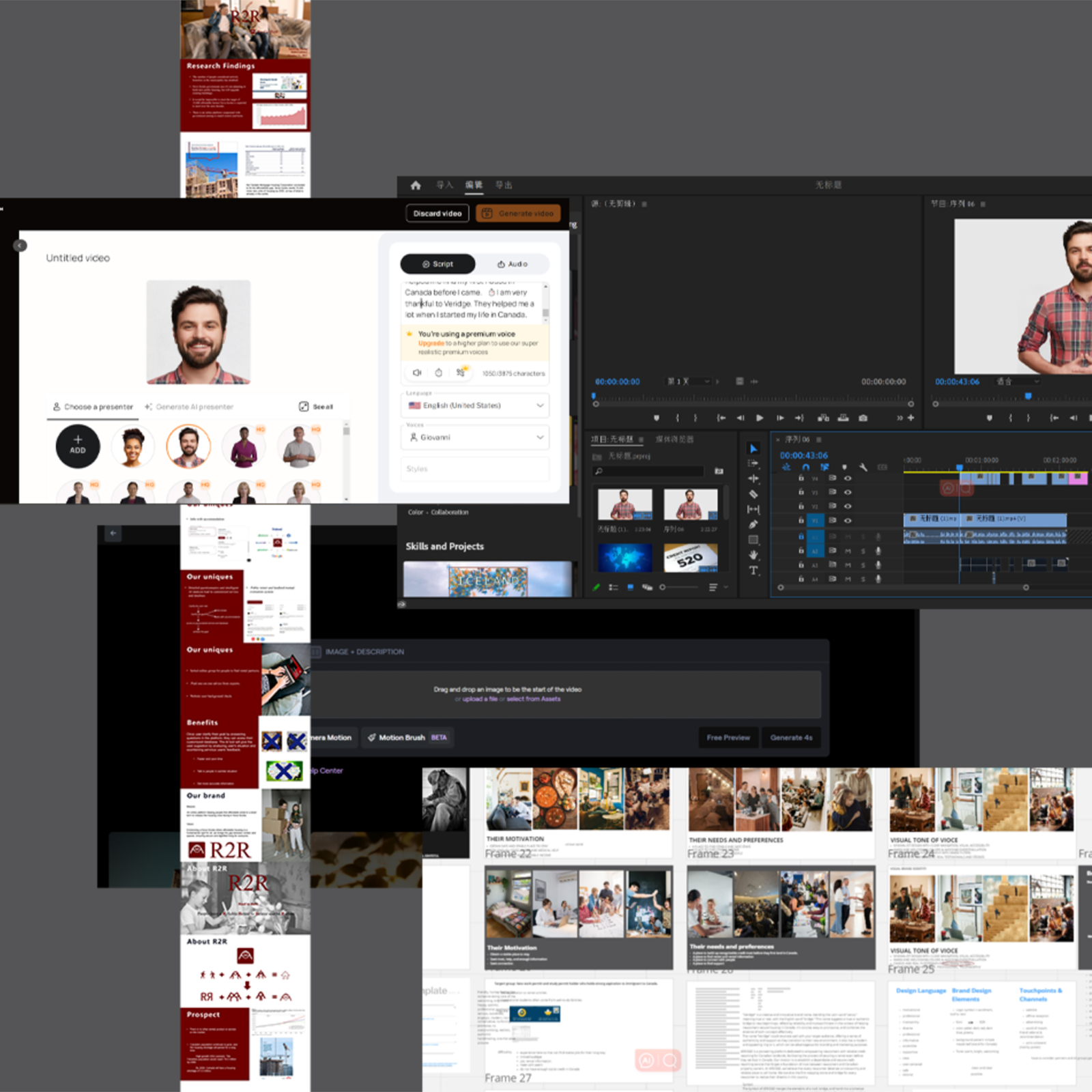
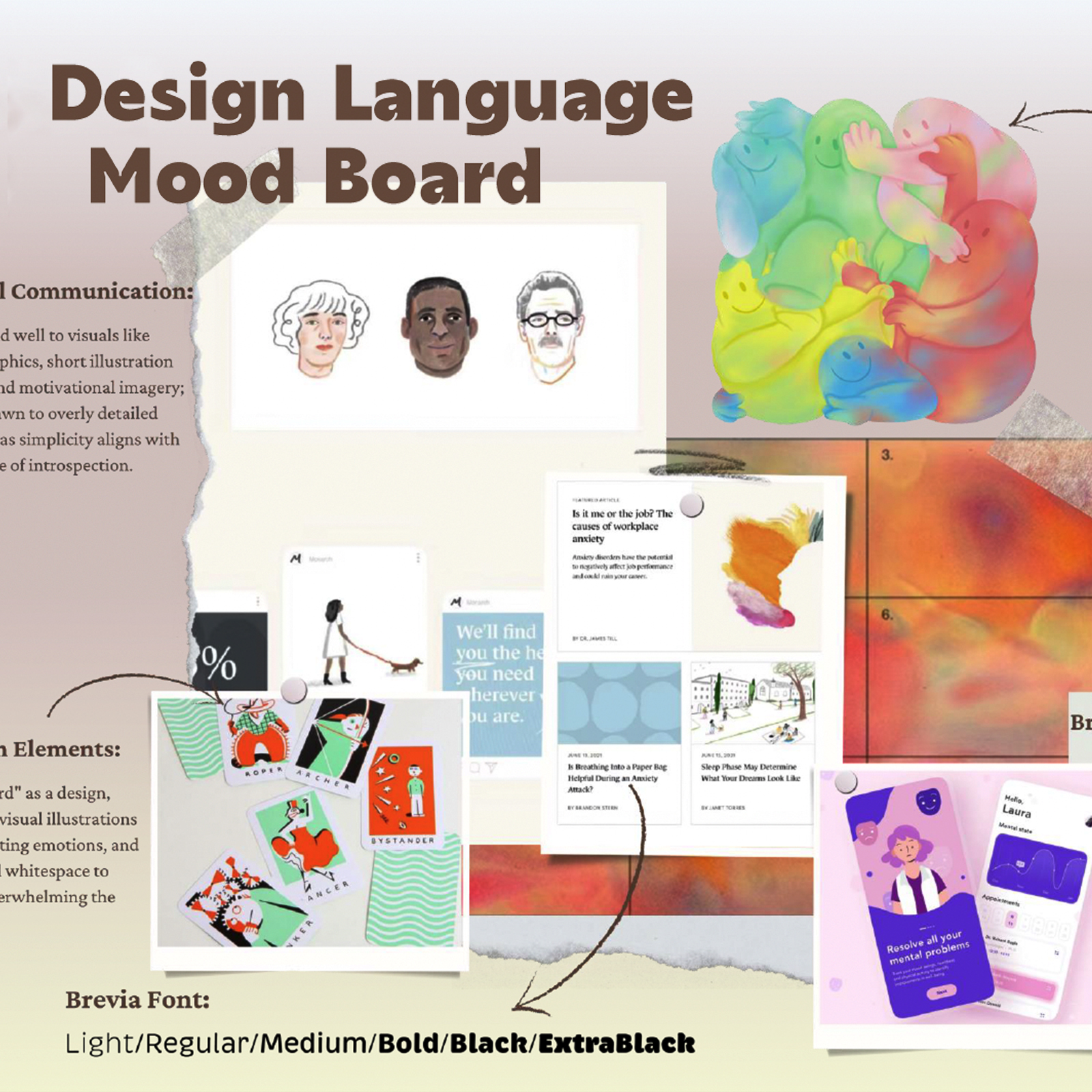
The Master of Design program is an interdisciplinary, two-year, 60-credit program. Throughout their degree, students pursue practice-led design research, explorations of process, applications of theory and scholarly writing. Few design programs offer the opportunity to combine theory and practice at the drawing table and in the workshop. Through practicums, field study, and intensive design workshops, students work with visiting designers or industry partners in a concentrated and collaborative fashion on specific design problems. Design is a vital discipline, shaping our rapidly evolving future, and we prepare you to meet the demands of this dynamic landscape.

Given the interdisciplinary nature of the program, we welcome students with diverse academic and cultural backgrounds. Part-time study is also available, provided the program is completed within five years. Summer electives open to full and part-time students will be available to help ensure timely program completion.

Find out what our MDES students are doing on their Instagram account. 

MDes Program Director
Huschang Pourian
Assistant Professor
hpourian@nscad.ca

Program Focus

NSCAD’s MDES courses are divided into three focus areas, offering our students experiential and collaborative learning opportunities.

Applied Design / Design Entrepreneurship
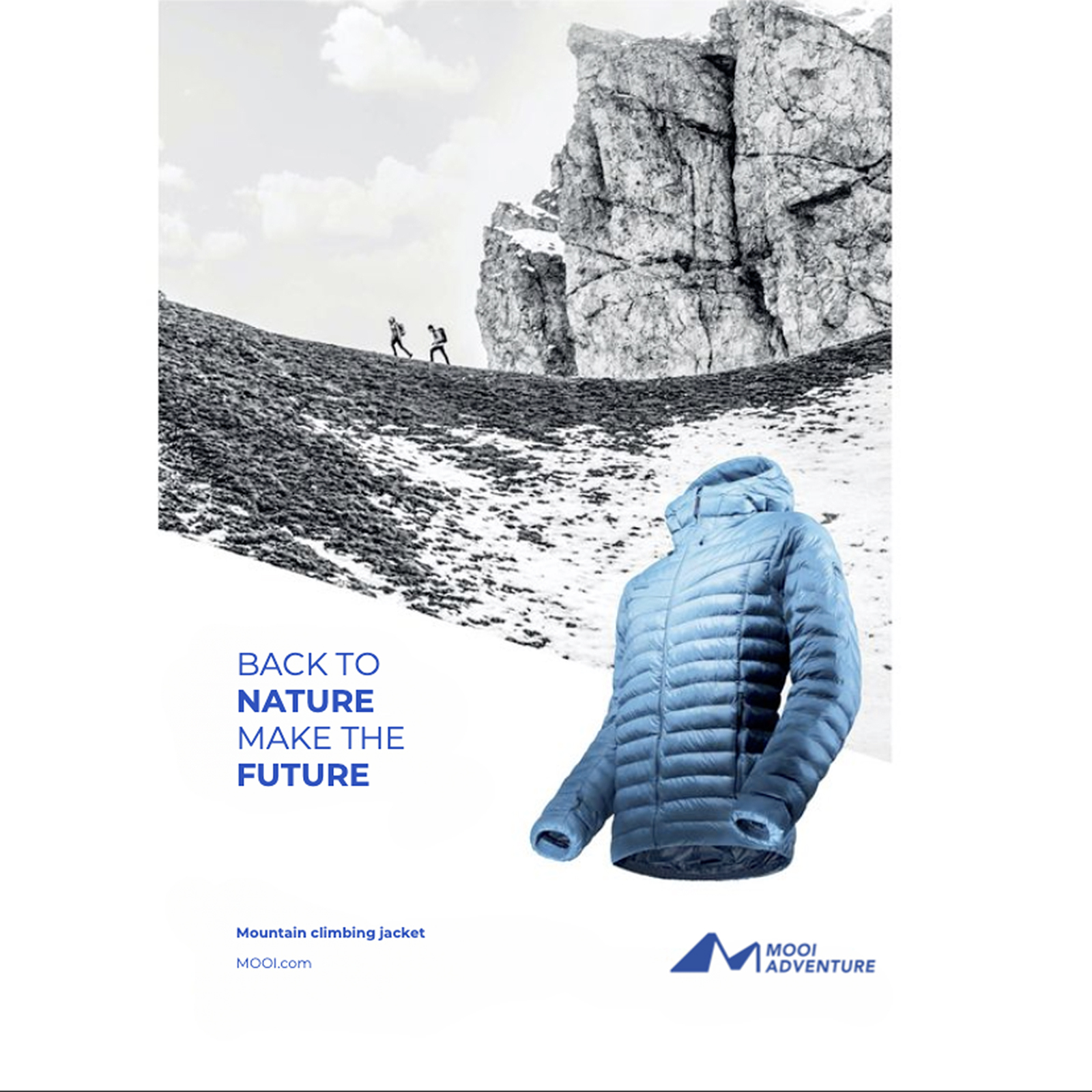
Project-Studio classes and Collaborative Design workshops will empower students to identify meaningful design opportunities, articulate the value of their concepts and designs, and access the tools necessary to implement their solutions in real-world scenarios and bring them to market.

Speculative Design / Applied Technologies
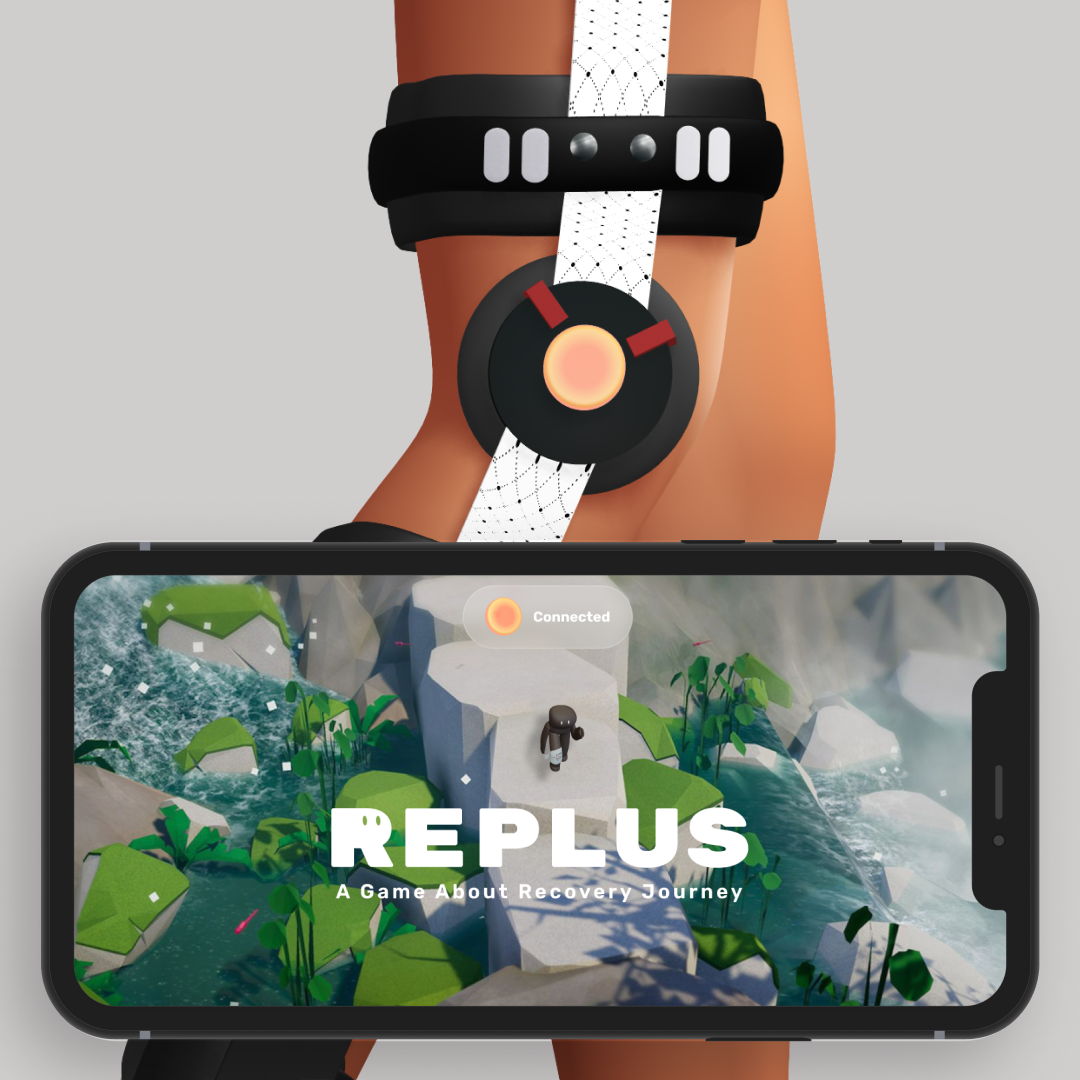
In workshop-classes students will develop design proposals that emerge from the identification and debate of significant future issues, allowing for collaborative design research with other university departments and disciplines, and to connect with Halifax’s innovation-driven startup ecosystem.

Social Design / Ethical Aspects of Design
Through a series of seminar courses, students will explore design methodologies that investigate and solve complex human issues, prioritizing social and ethical concerns. Presentations, discussions, and readings will address current topics related to basic needs and rights, social change, impact and innovation, sustainability, and the ethical dimensions of design.

Facilities
Master of Design students have access to NSCAD’s equipment depots and making facilities, after they receive the appropriate health and safety training.

Careers

Creative industries are no longer the sole primary employment sector for designers. Design has become integral to a broad range of industries and is recognized as a vital discipline for shaping our rapidly evolving future. Our alumni work as creative directors, product designers, industrial designers, illustrators, advertising and marketing executives, experts in UI/UX design, AI industries, and as entrepreneurs.  NSCAD’s global alumni network offers internship, residency, and work opportunities worldwide.

Student Work